

If your dog has started scratching before sunrise, there are little white flakes on their favourite blanket, or your cat’s coat feels rougher than it did back in autumn, you are not imagining it. Dry, itchy, flaky skin is one of the most common complaints Australian vets see once the heaters go on. Most cases are mild and respond well to a few simple changes at home, but itching can also be a sign of fleas, allergies or infection. This guide explains why winter dries out your pet’s skin, the signs to watch for, what you can do at home, and when it is time to ring the vet.
Why winter dries out your pet’s skin
It seems odd that a cold, often wet Australian winter leaves skin drier, but the cause is a mix of outdoors and indoors:
- Dry, heated indoor air. Cold air holds less moisture, and ducted heating, reverse-cycle split systems, gas heaters and wood fires dry the air inside our homes even further. That dry air draws moisture out of your pet’s skin, leaving it tight, flaky and easily irritated.
- More time inside. Most dogs and cats spend far more of the day indoors in winter, sitting in that heated air for hours. Pets that curl up right next to a heater are especially prone to a dry, brittle coat.
- Weather on walks. Wind, rain and muddy walks can weaken the coat’s natural protective barrier, and wet fur that is not dried properly adds to the problem.
- Less activity and grooming. Pets tend to slow down in the colder months, so natural skin oils are spread through the coat less often.
- Thicker coats. Loose fur and dead skin get trapped against the body, which can leave the coat dull, dandruffy or greasy if it is not brushed out.
- More warm baths. It is tempting to bathe a muddy dog more often in winter, but frequent baths in hot water strip the skin’s protective oils.
Cats are just as affected. They seek out the warmest spot in the house, whether that is a heated floor, a sunny window or the back of the couch near the heater, and that extra exposure to dry air can leave the coat looking dull and scurfy along the spine. In dogs with double coats, the outer coat can look fine while the skin underneath is dry and flaky. Short-coated breeds and older pets often show flakes sooner.
What dandruff actually is
Dandruff is simply flakes of dead skin. When there is a lot of it, vets may use the term seborrhoea, a disorder of how the outer layer of skin renews itself that causes excessive scaling and sometimes an oily, smelly coat. According to the Merck Veterinary Manual, there are two broad types:
- Primary seborrhoea, an inherited condition that usually shows up before about two years of age. Breeds such as Cocker Spaniels, Springer Spaniels, Basset Hounds, West Highland White Terriers, Dachshunds and Retrievers are more prone.
- Secondary seborrhoea, which is far more common and is driven by something else, most often allergies, hormonal disorders, bacterial or fungal infections, or parasites such as fleas and mites.
Mild, seasonal flaking from dry air is a different and much simpler problem. The point is that heavy, greasy or itchy dandruff is usually a symptom rather than a diagnosis, which is why it is worth getting persistent cases checked.
Signs your pet’s skin needs attention
- White or greyish flakes through the coat, especially along the back and near the tail, or left on bedding
- A dull, rough or brittle-feeling coat that has lost its shine
- More scratching, licking, nibbling or chewing than usual, often at the paws, belly or ears
- Patches of redness, dryness or flaking you can see when you part the fur
- Scabs or thinning fur where your pet has been scratching
- A cat over-grooming one area until it becomes bald or sore
- Dry, cracked paw pads or a crusty nose
The odd scratch is perfectly normal. It is the constant, can’t-settle itching, or any broken, weeping or smelly skin, that should not be brushed off.
When it is more than just dry air
Dry winter air is a common trigger, but itching has plenty of other causes, and they can look almost identical:
- Fleas. A warm, heated home lets fleas keep breeding right through winter, and flea allergy dermatitis is one of the most common causes of itchy skin in both dogs and cats. RSPCA Australia recommends using flea prevention all year round, and warns that some dog flea products can be fatal to cats. See our guide to why fleas don’t take a winter break.
- Allergies. Atopic dermatitis, an allergic skin disease linked to things like dust mites and pollens, is one of the most common skin conditions in dogs. The Merck Veterinary Manual notes its signs can be seasonal, year-round, or year-round with seasonal flares, and a skin barrier already stressed by dry air can make flares worse. Food allergies are less common but do occur.
- Other parasites and infections. Mites, lice, and bacterial or yeast infections can all cause itching, flaking and odour.
- Hormonal conditions. Problems such as an underactive thyroid in dogs can show up as a poor coat and flaky skin.
- Contact irritants. New shampoos, cleaning products or bedding can irritate sensitive skin.
In cats, over-grooming deserves a closer look. International Cat Care explains that most cases start with a skin problem such as flea allergy, food allergy or environmental allergy, while some cats over-groom over a painful area, such as the belly when they have bladder pain. Stress often plays a part too. If your cat is licking themselves bald, a vet check comes before assuming it is the weather.
Simple ways to soothe dry skin at home
For run-of-the-mill winter dryness, the aim is to protect the skin barrier, put back some lost moisture and avoid stripping the coat’s natural oils.
Brush regularly
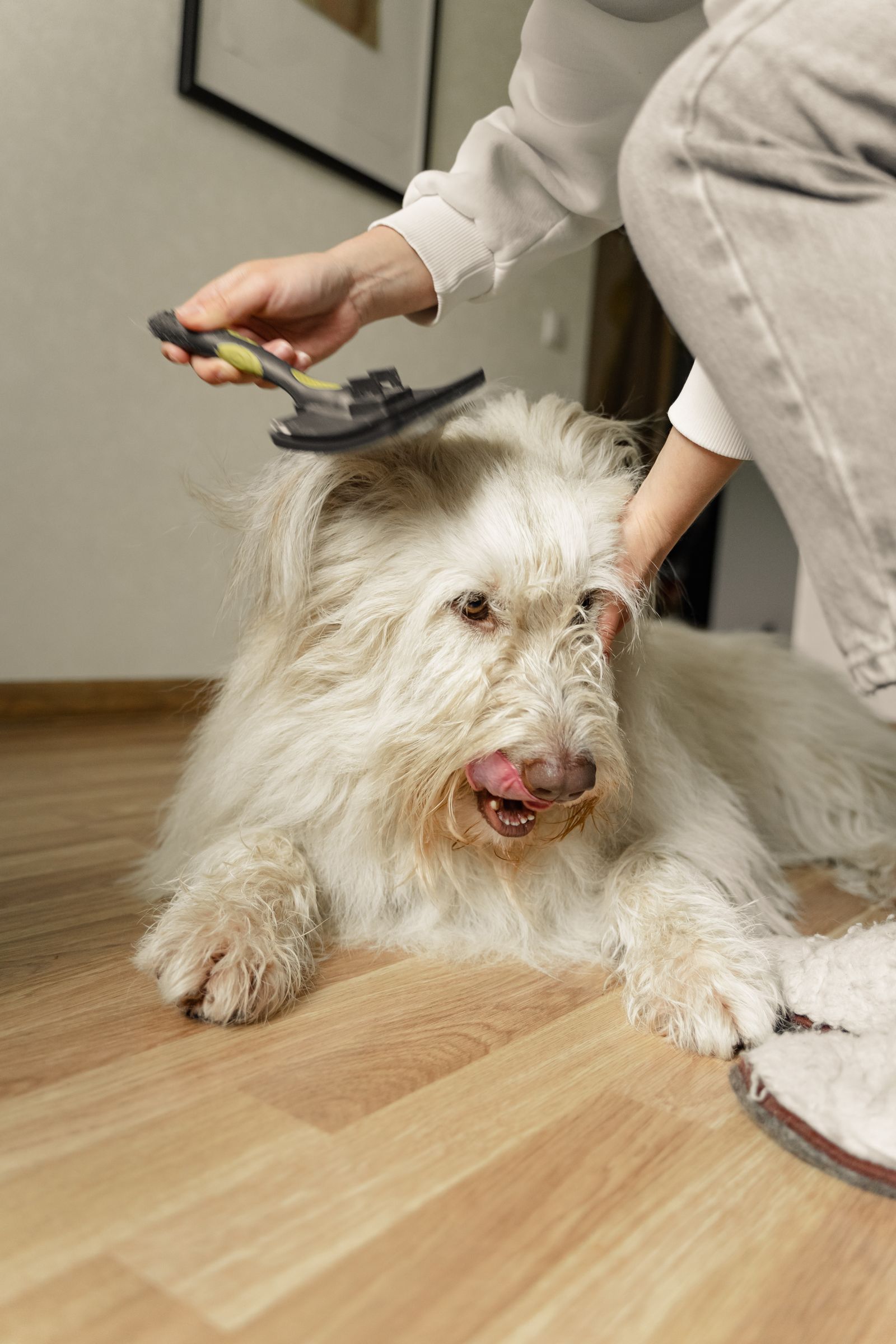
A daily brush, or at least a few minutes every couple of days, lifts away loose flakes and dead skin and spreads natural oils through the coat. It is one of the easiest and most effective things you can do, and a good chance to check for new lumps, ticks or sore spots. Our guide to dog grooming at home covers brushes for different coat types.
Ease up the dryness
Running a humidifier in the room where your pet spends most of their time can help replace some of the moisture the heater removes. Simply not running the heating hotter than you need, and keeping pets from baking right beside a heater, helps too.
Go easy on baths
Over-bathing strips protective oils. Where you can, stretch out the time between baths and rinse off mud with plain warm water instead. When you do bathe, use lukewarm water and a gentle, moisturising or oatmeal-based shampoo made for pets, never a human shampoo. Dry your pet thoroughly afterwards so they are not left cold and damp. How often is right depends on breed, coat and any skin conditions, so ask your vet if you are unsure.
Feed for skin health
A complete and balanced diet with adequate omega-3 and omega-6 fatty acids supports skin and coat condition. These fats are found in fish oil, flaxseed and many quality pet foods. Fatty acid supplements can help some pets, but changes take a few weeks to show and the right dose depends on your pet, so check with your vet first. Our guide to pet supplements in Australia explains what is worth buying.
Keep water up
Some pets drink less when it is cold. Keep fresh water within easy reach at all times.
Offer warmth the safe way
A cosy bed, blanket or pet-safe heat mat lets your pet stay warm without cranking the thermostat and drying out the whole house. Make sure they can move away from any heat source if they get too warm. Our guide to keeping pets warm safely in winter covers heater and heat-pad risks.
When to see your vet
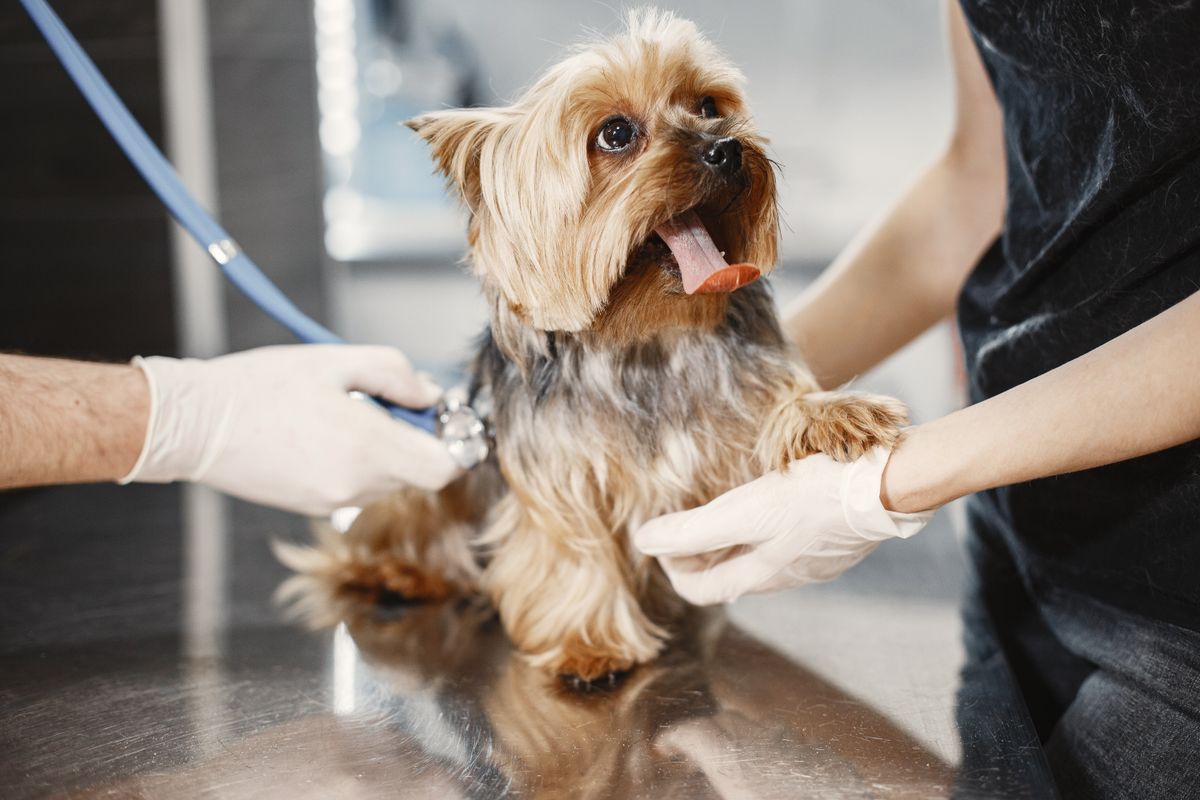
Most winter flakiness settles with grooming and a little extra care. Book a check-up if you notice:
- Constant or intense scratching, biting or licking
- Hair loss, scabs, sores, or a greasy or smelly coat
- Redness, swelling, or skin that looks broken, weeping or infected
- Flaking that comes on suddenly or keeps getting worse
- No improvement after a week or two of home care
- Other changes such as weight loss, low energy or increased thirst
Your vet can work out the underlying cause rather than just treating the flakes. Depending on what they find, treatment may include parasite control, medicated shampoos that remove scale or calm infection, antibiotics or antifungals, fatty acid supplements, or prescription anti-itch medicines. Some newer anti-itch treatments for dogs start working within about a day.
Do not put human moisturisers, creams or medicines on your pet unless your vet has said it is safe, as some ingredients are harmful to animals and cats may lick them off. The same goes for tablets: see why you should never give your pet human antihistamines without veterinary advice. Repeated baths or human shampoos as a quick fix can make a damaged skin barrier worse.
Frequently asked questions
Can dry winter air really make my dog itchy?
Yes. Low indoor humidity from heating pulls moisture out of the skin, which can leave dogs flaky and scratchy. Dry air is only one possible cause, though, so ongoing itching is always worth a vet check.
Is dandruff in dogs and cats normal in winter?
A small amount of seasonal flaking is common once the heating goes on, and it often improves with regular brushing and fewer baths. Heavy, greasy, smelly or itchy dandruff, or a sudden increase, is worth having checked.
How often should I bathe my pet in winter?
Less is usually more. Bathe only when genuinely needed, use lukewarm water and a gentle pet shampoo, and rinse off mud with plain water in between. Your vet can suggest a routine that suits your pet’s breed and coat.
My cat has bald patches from licking. Is that dry skin?
Probably not on its own. Over-grooming in cats is most often linked to an itchy skin problem such as flea allergy, but it can also be caused by pain or stress. Cats are good at hiding discomfort, so visible skin changes deserve a vet visit.
Can food help my pet’s dry skin?
A complete, balanced diet with the right fatty acids supports a healthy coat, and some pets benefit from an omega-3 supplement. Speak with your vet before making changes, and allow a few weeks to see a difference.
Why does my pet still itch in winter when there are no fleas around?
Fleas are often there even when you cannot see them, because heated homes let them breed year round and pets groom them away. Allergies to dust mites and other indoor triggers can also flare in winter. Year-round prevention and a vet check help sort out which it is.
Key takeaways
- Indoor heating and dry winter air are a leading cause of flaky, itchy skin in Australian pets.
- Watch for flakes, a dull coat, constant scratching, sore skin and cats over-grooming.
- Brush regularly, bathe less, use a humidifier, keep water available and feed a balanced diet with healthy fats.
- Fleas, allergies, infections and hormonal problems can look just like dry skin, so keep up year-round flea prevention.
- Heavy or greasy dandruff is usually a symptom of something else, not a diagnosis.
- See your vet if the skin is broken, smelly or losing fur, or the itching does not settle within a week or two.
This article is general information for Australian pet owners and is not a substitute for advice from a registered veterinarian. If your dog or cat has ongoing skin problems, contact your vet.