When the temperature drops, most of us do the kind thing for our pets: pull the heater a little closer, add a blanket to the dog’s bed, maybe warm up a wheat bag for the cat. The catch is that the gear we reach for to warm our pets is behind a steady stream of winter vet visits across Australia, from contact burns and singed fur to scalds and the occasional electric shock. Almost all of it is preventable. This guide covers why pets get burned, which heating habits to avoid, the safer ways to keep a dog or cat warm, and what to do if a burn happens.
Why warming your pet can backfire
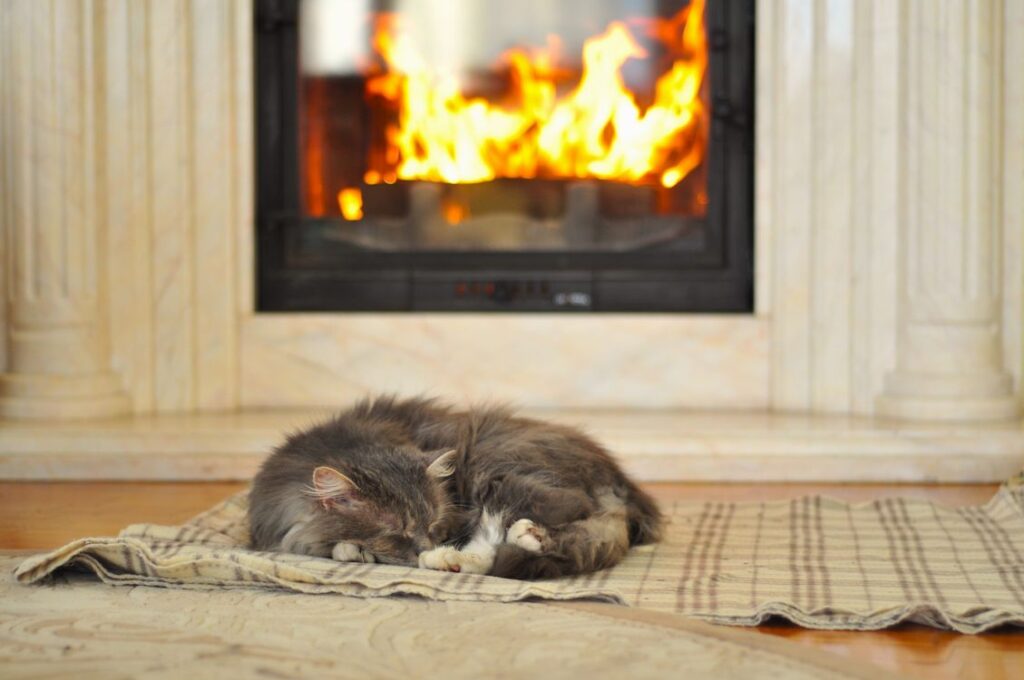
Pets do exactly what we do in winter: they chase warmth. A cat will curl up against a heater, a dog will stretch out in front of the fire, and both will happily settle on an electric blanket that has been left on. The difference is that pets do not always move away when something gets too hot.
The pets most at risk are the ones least able or least inclined to shift position:
- Senior and arthritic pets, who are slow to get up once they are comfortable
- Deep sleepers, and pets that are sedated or recovering from surgery
- Puppies and kittens
- Thin-coated, small or underweight pets, who feel the cold most and so seek out heat hardest
Low, steady heat over hours can cause what vets call a contact burn. Because it builds gradually on skin hidden under fur, owners often miss it. Lort Smith Animal Hospital in Melbourne notes that the full extent of a burn can take up to three days to show, as heat dissipates slowly from damaged skin. By the time a red, weeping or hairless patch appears, it often needs proper veterinary treatment.
Pet Insurance Australia has reported that burn-related claims rise by around 300% over winter, with heaters and open fires, hot water bottles, heat pads, electric blankets and spilled hot drinks among the usual causes.
The heating habits worth avoiding
Human electric blankets and heating pads
These are built for people. They can run far hotter than a pet safely tolerates, and a pet that lies in one spot for hours is the classic contact-burn case. A chewed cord adds the risk of mouth burns or electrocution. Keep human heating gear for humans, and never leave an electric blanket on when you are out or asleep with a pet on the bed.
Hot water bottles and microwaved wheat bags
There is no reliable way to control how hot a hot water bottle or microwaved wheat or rice bag gets, they can develop hot spots, and hot water bottles can burst or be chewed. RSPCA Queensland specifically advises avoiding hot water bottles because of the temptation to chew. A purpose-made pet heat pad or a self-warming bed is the safer swap.
Getting too close to heaters and fires
Pressing up against a heater or lying right in front of the fire can dry out the skin or, worse, scorch backs, bellies, tails and paw pads. Portable heaters are also a knock-over and fire risk when a wagging tail or bounding dog gets involved.
Leaving heated beds running unsupervised
Cords fray, beds get dragged about and chewers chew. Even a pet-specific heated bed is safest when you are home to keep an eye on it.
Hot drinks and cooking
A knocked cup of tea or a splash from the stovetop can scald a curious pet in seconds. Keep hot drinks out of reach and pets out from underfoot while you cook.
Using heated beds and pads safely
Pet-specific heated beds and pads are a reasonable choice for older, thin-coated or arthritic pets, as long as you choose and use them well. Look for:
- Low-voltage elements with temperature regulation
- An automatic shut-off
- A chew-resistant or armoured cord
- A wipe-clean, water-resistant cover
Then use them carefully:
- Start on the lowest setting, and put a folded blanket between your pet and the pad so they are never lying directly on the heated surface.
- Only heat part of the bed, so your pet can always move off the warmth. RSPCA advice is to make sure the animal can move away from a pad if it wants to.
- Never put a heat pad inside a crate or carrier, where a pet cannot escape the heat.
- Switch off at the wall when you go out or go to bed, and unplug when not in use.
- Check cords regularly for fraying or chew marks, and replace damaged products.
Heaters, fireplaces and open flames
- Use a fireguard, screen or small pet pen to keep a clear no-go zone around heaters and open fires.
- Choose heaters that switch off automatically if knocked over.
- Never leave a pet alone in a room with a running portable heater, an open fire or an unflued gas heater.
- Have gas heaters serviced as the manufacturer recommends and keep rooms ventilated.
- Give your pet a warm bed of their own on the other side of the room, so they have no reason to hug the heater.
Safer ways to keep your pet warm
Warmth does not have to come from a powered gadget. The simplest options are often the safest.
- Build a better bed. Lift it off cold tiles and concrete, move it away from draughts, and add extra washable blankets your pet can burrow into. Do not raise it so high that a stiff, older pet struggles to get in.
- Try a self-warming bed or thermal mat. These reflect your pet’s own body heat back with no cord and no shock risk.
- Use the sun. A sunny window spot is free, safe warmth on a clear winter day.
- Coats for the pets who need them. Small, thin-coated, very young and senior dogs often benefit from a coat on walks. RSPCA advice is that a good coat covers from the neck to the base of the tail and protects the belly. Take it off indoors so they do not overheat. Our guide to whether your dog needs a winter coat helps you decide.
- Keep them moving. Gentle indoor play and regular walks keep circulation and muscle going. For older, stiff dogs, RSPCA Queensland suggests keeping walks to no more than about 20 minutes a day over even ground. See our guide to easing winter joint pain.
- Bring outdoor pets in, or upgrade their shelter. Outdoor kennels should be dry, raised off the ground, out of the wind and fitted with bedding that is changed when damp.
Cats have their own winter quirks, including a habit of sheltering in warm car engines. Our guide to keeping a cat warm through an Australian winter covers them.
Signs your pet has been burned
Check your pet’s favourite warm spots, and the skin on their belly, sides, back and paws, every few days through winter. Look for:
- Red, darkened, blistered or weeping skin
- Patches of missing or singed fur, sometimes with a burnt smell
- Skin that is hot or tender to touch, or that later turns leathery, scabbed or discoloured
- Your pet licking or chewing one spot obsessively
- Limping, flinching when touched, or going off their food
Burns often look minor on the surface and run deeper underneath, so any suspected burn deserves a vet check.
First aid if your pet is burned
Quick, calm first aid helps. Lort Smith Animal Hospital recommends these steps:
- Move your pet safely away from the heat source.
- Gently run cool (not cold) water over the burn for at least 5 to 10 minutes.
- Do not use ice or very cold water, which can cause further damage. For large burns, use cool, damp compresses rather than soaking your pet, as this can lead to shock.
- Do not apply butter, oils, creams or ointments.
- Cover the area loosely with a clean, damp cloth or non-stick dressing and stop your pet licking it.
- Call your vet straight away, even if the burn looks small. Your pet may need pain relief, dressings or antibiotics.
Burns to the face, paws or genitals, large burns, and any burn from an electric cord need urgent care. If your pet has chewed a live cord, switch off the power at the wall before touching them, then see a vet immediately.
Frequently asked questions
Can I use my own electric blanket for my dog or cat?
It is best avoided. Human electric blankets and heat pads can run much hotter than pets tolerate and carry burn and shock risks if chewed. A low-voltage, pet-specific heated bed with an automatic shut-off, or a cordless self-warming bed, is far safer.
Is a wheat bag or hot water bottle safe for my pet?
Not really. You cannot control how hot they get, hot water bottles can burst or be chewed, and RSPCA advice is to avoid them. Use extra blankets, a self-warming bed or a pet-specific heat pad instead.
Are heated pet beds safe to leave on overnight?
Only pet-specific beds with temperature control and an automatic shut-off should ever be considered, and the safest habit is to switch off when you go to bed or go out. Never leave a human heat pad or electric blanket running for a pet unattended.
How cold is too cold for my pet indoors?
There is no single number. Healthy adult pets are generally comfortable at normal indoor temperatures. Puppies, kittens, seniors, small or thin-coated breeds and unwell pets feel the cold sooner. If your pet is shivering, curled up tight or constantly seeking heat, warm them gently. Persistent shivering, weakness or lethargy can be a sign of hypothermia and needs a vet.
Key takeaways
- Heaters, open fires, human electric blankets, hot water bottles and wheat bags are common causes of winter burns in pets.
- Senior, arthritic, sedated, very young and thin-coated pets are most at risk because they do not move away from heat.
- Choose pet-specific, low-voltage heated beds with an auto shut-off, use the lowest setting with a blanket barrier, and switch off when you leave or sleep.
- Guard heaters and fires, and never leave pets alone with one running.
- Raised beds, extra blankets, self-warming mats, sunny spots and coats for the right pets are the safest warmth.
- For a burn, cool with cool running water for at least 5 to 10 minutes, no ice or creams, then call your vet.
This article is general information for Australian pet owners and is not a substitute for advice from a registered veterinarian. If you think your pet has been burned or is unwell, contact your vet.