By GoPetr Writer · General information only: not a substitute for veterinary advice. Every medical point below links to the source it came from.
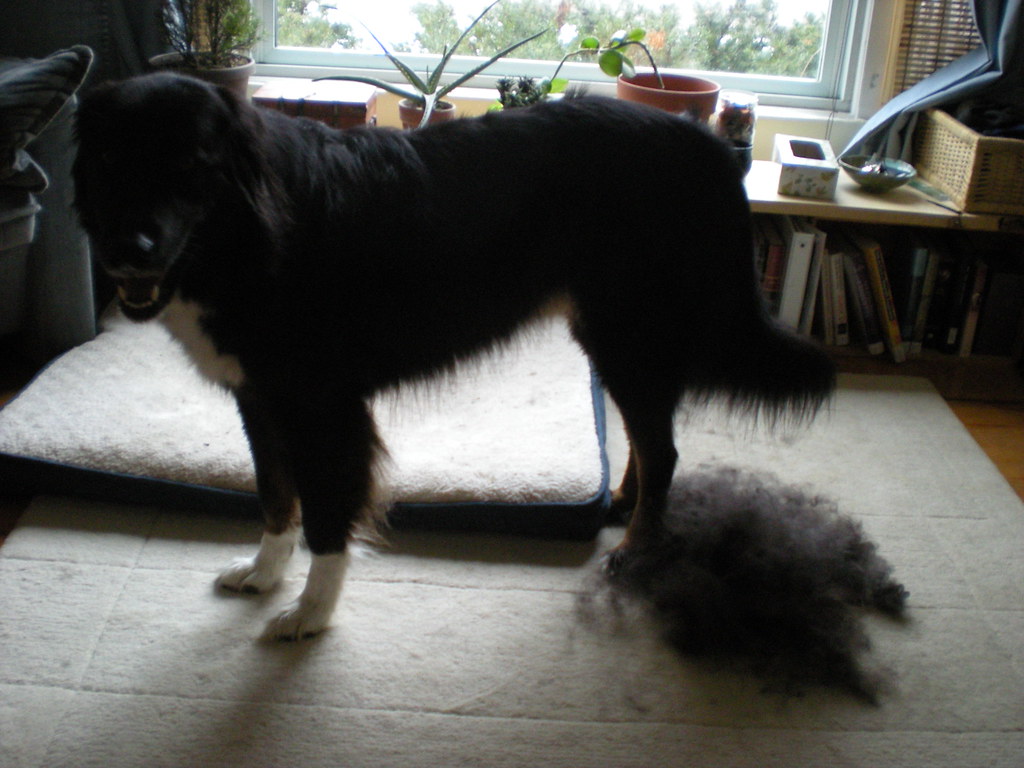
If your favourite jumper is suddenly furry and there’s a tumbleweed of hair drifting across the kitchen floor, you’re not imagining it. Late winter into spring is when most Australian dogs and cats drop their thick winter undercoat. Here’s how to tell an ordinary spring moult from hair loss that needs a vet, plus a simple routine to keep the fluff under control.
Why the fur suddenly flies in spring
The main trigger for a seasonal moult is changing daylight, not temperature. As the days lengthen through spring, hormonal signals tell the coat to release its dense winter undercoat and grow a lighter one, which is why the same thing happens again in autumn (PDSA). Most seasonal shedders lose the bulk of that undercoat over a few weeks. Pets who live mostly indoors under artificial light and steady heating often shed lightly all year instead of in two big bursts (PDSA).
What a normal spring shed looks like
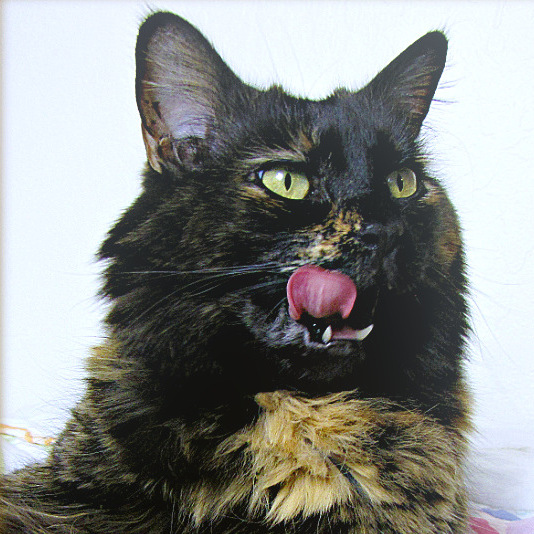
A healthy moult is even. You’ll notice more loose hair everywhere, a thinner-feeling coat and maybe a little dandruff, but the skin underneath should look normal, with no redness, sores or bald patches, and your pet shouldn’t seem itchy or unsettled. Regular brushing is the single most useful thing you can do: the RSPCA notes that grooming removes old, dead and loose hair, prevents matts forming, spreads the coat’s natural oils and gives you a chance to spot problems early (RSPCA Knowledgebase). Cats groom themselves, but the RSPCA still suggests brushing long- and medium-haired cats daily and short-haired cats about weekly, increasing during shedding seasons (RSPCA).
When it’s more than the moult
Seasonal shedding thins the coat evenly: it should never carve out bald spots. Hair loss in patches, or shedding paired with itching, sores or a change in behaviour, usually points to a medical cause rather than the calendar. Common culprits include fleas and mange mites, fungal infections such as ringworm, skin allergies, and hormonal conditions such as hypothyroidism (Merck Veterinary Manual). In cats, over-grooming that leaves a neat strip of missing fur along the belly or legs is often driven by an underlying itch (commonly fleas or allergies) and a behavioural cause is only confirmed once those are ruled out (MSPCA-Angell). Use this quick guide, then book a check-up if anything lands in the right-hand column.
| Usually just the spring moult | Worth a vet visit |
|---|---|
| Even thinning all over the body | Bald patches or a bare area that’s spreading |
| Skin underneath looks normal | Red, scabby, flaky or smelly skin |
| Not especially itchy | Constant scratching, licking or chewing |
| Eating, drinking and acting as usual | Weight change, low energy or drinking more |
| Settles within a few weeks | Drags on, spreads, or keeps returning |
A simple spring de-shedding routine
- Match the tool to the coat. A slicker brush plus an undercoat rake suits double-coated breeds like German Shepherds, Border Collies, Huskies and Golden Retrievers; a rubber curry or grooming mitt works for short coats; a comb handles fine or feathered coats.
- Brush little and often. A few minutes most days during the peak beats one marathon session, and it stops loose hair turning into matts.
- Groom outside where you can, then vacuum: far easier than chasing fluff around the house.
- Bathe only when needed with a proper pet shampoo; over-washing dries the skin, though a warm bath during a heavy moult can help loosen dead undercoat.
- Keep parasite prevention current. Spring is when fleas take off, and fleas and mites are the first causes a vet looks to rule out in an itchy pet (MSD Vet Manual).
- Feed the coat from the inside with good nutrition, and check with your vet before adding oils or supplements.
- If it’s matting rather than shedding, book a groomer. Prices for a hydrobath and de-shed or a full clip vary with your pet’s size and coat, so ask for a quote.
The Aussie extras worth knowing
Two seasonal overlaps catch owners out. First, the spring flea surge arrives just as pets are shedding, so a suddenly itchy, patchy coat may be fleas rather than the moult: worth staying on top of your flea prevention. Second, spring is peak atopic (allergic) skin season, which can look like shedding but is really scratching-driven hair loss. And if you own a Cavoodle or another ‘oodle, remember these coats mat rather than blow, so they need regular clipping and brushing, not de-shedding. When you’re not sure what you’re seeing, your vet is the fastest way to an answer: you can find a local clinic through the Australian Veterinary Association.
Frequently asked questions
How long does spring shedding last?
Usually a few weeks while the winter undercoat clears and a lighter coat grows in. Indoor pets may shed more evenly throughout the year (PDSA).
Is heavy shedding a sign my pet is unwell?
Even, all-over shedding with healthy skin is normal. Bald patches, itching, sores, or changes in appetite, weight or thirst are not, and are worth a vet check (Merck Veterinary Manual).
Can I stop my dog or cat from shedding?
No, moulting is a natural process you can’t switch off. What you can do is brush frequently so the loose hair ends up in the bin rather than on your couch (RSPCA).
Key takeaways
- Spring shedding is a daylight-driven moult; most pets clear their winter undercoat over a few weeks.
- Normal shedding is even and non-itchy, with healthy skin underneath.
- Bald patches, itching, sores or an off-colour pet signal a vet visit, not just the season.
- Brush little and often, keep parasite prevention up to date, and see your vet if in doubt.
GoPetr Writer writes practical pet-care guides for Australian dog and cat owners. This article is general information compiled from the veterinary sources linked throughout and is not a substitute for advice from your own vet. Featured image: bagaball via Flickr (CC BY 2.0).