
Grooming isn’t just about looking good for the beach photo. In Australia, with our dusty backyards, grass-seed season, humid summers and endless sunshine, regular grooming keeps your dog’s coat and skin healthy, catches problems early and is a lovely bonding ritual. The good news? You don’t need a professional salon: most of it can be done at home with a few simple tools and a bit of know-how.
Why Regular Grooming Matters Down Under
Brushing isn’t vanity. It’s one of the simplest health checks you can give your dog at home, and the RSPCA’s grooming guide lists plenty of benefits beyond a tidy coat.
- Removes dead fur and spreads natural oils for a healthier, shinier coat
- Catches problems early: lumps, ticks, grass seeds, hot spots and irritated skin are far easier to spot when you’re brushing regularly
- Keeps your home cleaner: less fur on the couch and fewer tumbleweeds of dog hair in the hallway
- Builds trust: most dogs learn to love a good brush session
In Australia, grooming matters even more. Grass seeds bury into paws and ears from spring onwards, paralysis ticks can hide in a thick coat along the eastern seaboard, and the summer heat is no fun for a dog carrying a heavy, matted winter jacket.
Brushing Basics: Match the Brush to the Coat
Using the right brush makes all the difference. Here’s a quick guide to common Aussie coats:
- Short coats (Staffies, Labradors, Jack Russells): a rubber curry mitt or hound glove once a week is plenty.
- Double coats (Kelpies, Border Collies, Golden Retrievers): use a slicker brush plus an undercoat rake several times a week, and daily for heavy coats, especially during the spring moult, when they “blow” their winter coat.
- Wiry coats (most terriers): a stripping comb or your fingers keep the harsh texture neat.
- Long coats (Maltese, Shih Tzus): brush daily. Long fur mats fast, and mats pull painfully on the skin.
Brush in sections, work from the skin outward, and go gently over the tummy, ears and legs. If you hit a mat, don’t yank it: work it loose with your fingers or a detangling spray, or see a groomer.
Bath-Day Basics: How Often and How To
How often to bathe depends on your dog’s coat, skin and lifestyle, and many dogs only need a bath every month or two, or whenever they’ve found something fragrant in the backyard. A dog who swims in the sea or rolls in mud will need more. Bathing too often can strip the natural oils from their skin.
- Use a dog-specific shampoo suited to your dog’s skin and coat; your vet can recommend one, especially if your dog has skin issues. Human shampoo is formulated for human skin and can dry out your dog’s.
- Use lukewarm water and rinse thoroughly: leftover soap causes itching.
- Keep water out of the ears and eyes. A cotton ball in each ear helps.
- Dry well afterwards. In humid Australian summers, a damp coat can lead to hot spots and fungal issues. Towel dry, then let your dog air dry in a warm spot, or use a low-heat dryer if they tolerate it.
If bath time is a battle, start small: reward calm behaviour, use a non-slip mat in the tub, and keep sessions short. Many dogs learn to enjoy it once it becomes a predictable routine.
Nails, Ears and the Post-Walk Check
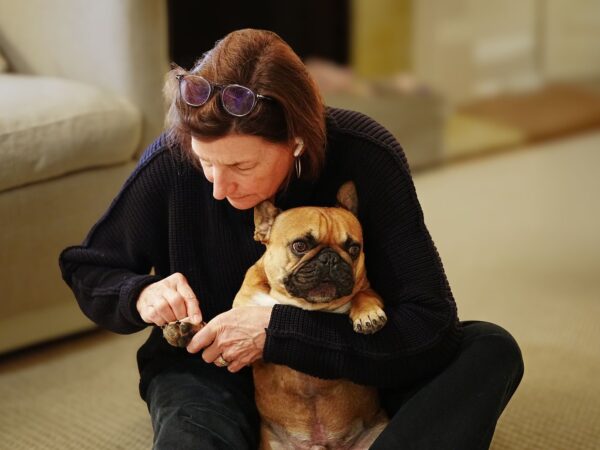
Nails: check every two to four weeks. As a guide, nails should be trimmed just before they start to touch the ground, so if you can hear clicking on the pavement, they’re too long. Don’t forget the dewclaws, which aren’t worn down by walking. Clip or grind small amounts to avoid the quick (the pink part inside the nail), and note that regular pavement walks help wear nails down naturally.
Ears: check weekly, especially floppy-eared breeds after swimming. They should be clean, pink and odour-free. Wipe the outer ear with a vet-approved cleaner, but never poke anything down the ear canal.
The Aussie post-walk check: after every bush or beach outing, run your hands through the coat and check for:
- Grass seeds between the toes, in the armpits and behind the ears
- Burrs and twigs tangled in the fur
- Ticks, especially around the head, neck and ears. During paralysis tick season the RSPCA recommends a thorough search of your dog’s coat at least once a day
- Any new lumps, scratches or redness
Grooming Through the Australian Seasons
Your grooming routine should change with the calendar, just like the weather does.
- Spring: expect heavy moulting as the winter coat comes out: brush more often, and consider a deshedding session.
- Summer: watch out for sunburn on light-coloured coats and exposed skin, rinse saltwater off after beach trips, and keep coats clean to help dogs stay cool.
- Autumn: dry grass seeds and burrs can linger well after summer, and paralysis tick season in southern areas often runs into late autumn: keep checking paws and coats after every walk.
- Winter: reduce bathing frequency and always dry thoroughly so your dog doesn’t head out into the cold damp.
When to Call in a Professional
Home grooming covers most needs, but a professional groomer is worth it for badly matted coats, heavily shedding double coats, high-maintenance breeds, or dogs who are genuinely stressed by handling. Your local groomer or vet can also show you the ropes: many offer nail trims on their own if that’s the part you dread.
Regular grooming is one of the kindest routines you can build with your dog. It keeps them comfortable through every Australian season, and it gives you a chance to notice small changes before they become big problems. Grab a brush, put the kettle on, and make it part of your week: your dog will thank you with a shinier coat and a wagging tail.