
Cherries are not a good treat for dogs. The red flesh itself is not toxic, and a dog that snaffles a single fallen cherry will very likely be fine. The trouble is everything around the flesh: cherry pits, stems and leaves contain cyanogenic glycosides, compounds that release cyanide, and the hard pits can block a dog’s bowel. Because pitting cherries perfectly every time is fiddly and the payoff is small, most vets would rather you gave your dog a safer fruit. Here is what the risks really are, what to do if your dog has eaten cherry pits, and which summer fruits make better treats.
In Australia, cherry season runs through late spring and summer and peaks around Christmas, when bowls of cherries sit on coffee tables, pits end up in napkins and on the floor, and the bin fills with stones and stems. That is exactly when dogs get into trouble, so it is worth knowing the facts before the festive season arrives.
Why cherries are risky for dogs
Cherries belong to the Prunus genus, the same group as apricots, peaches, plums and nectarines. The ASPCA lists cherry as toxic to dogs and cats, noting that the stems, leaves and seeds contain cyanide and are particularly toxic when wilting. The American Kennel Club says the same: the biggest concern is the cyanide in the pits, stems and leaves. It adds that while dogs can eat small amounts of cherry flesh, cherries are not recommended.
There are two separate problems to understand.
1. Cyanide from pits, stems and leaves
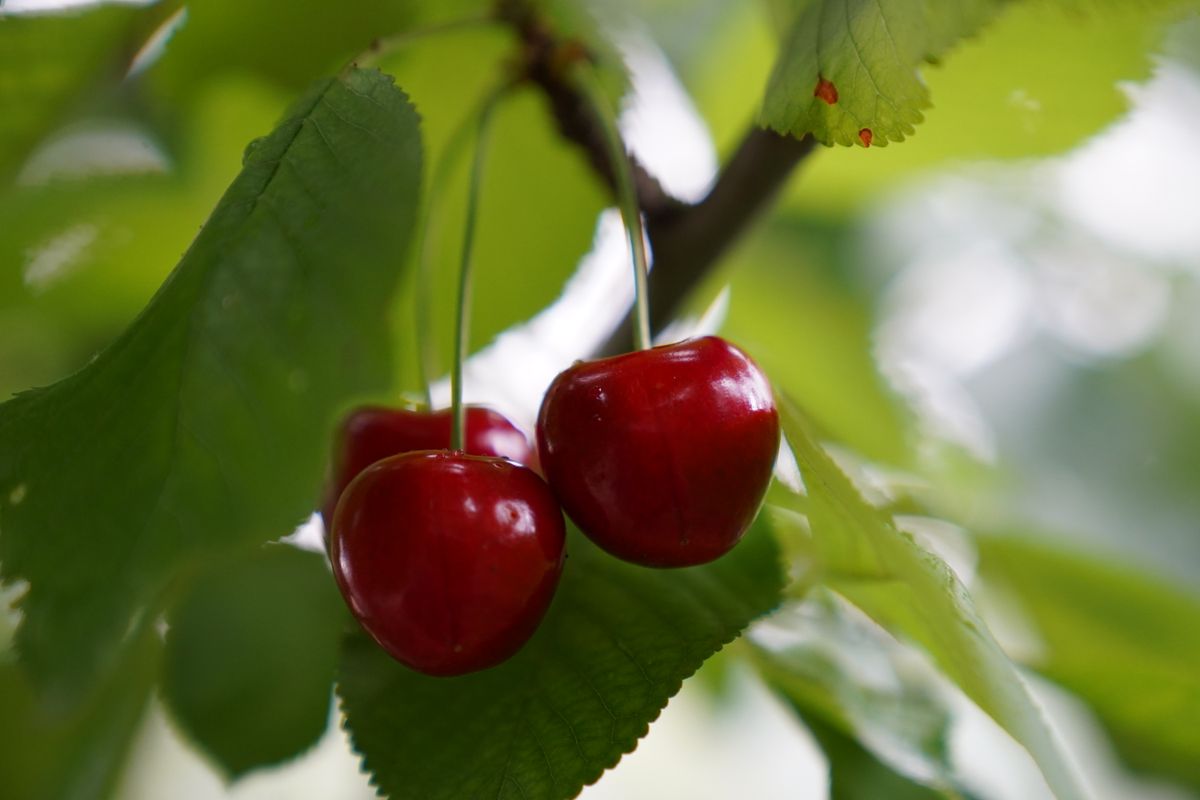
The pits, stems and leaves contain cyanogenic glycosides. These are fairly harmless while locked inside intact plant tissue. According to the MSD Veterinary Manual, crushing and chewing are important in triggering poisoning, because they release the glycosides from plant cells and expose them to the enzymes that free cyanide. Cyanide then stops the body’s cells from using oxygen, which hits the heart and brain hardest.
So a dog that crunches up a pile of pits is at more risk than one that swallows a single pit whole. The AKC notes that a single pit is unlikely to cause cyanide poisoning, but larger amounts or repeated exposure increase the risk. Small dogs are more vulnerable simply because it takes less to reach a harmful dose.
2. Pits that block the bowel
Even without any cyanide, a cherry pit is a small, hard, indigestible stone. One may pass without fuss in a large dog, but several pits, or one pit in a small dog, can get stuck in the intestine. RSPCA Australia includes fruit stones or “pits” in its list of things never to feed your dog, and its garden dangers advice warns that swallowed fruit stones can cause serious intestinal blockages. The AKC notes that signs of a blockage can appear within 24 hours.
Signs of cherry poisoning and obstruction
Signs of cyanide poisoning
The MSD Veterinary Manual explains that signs of acute cyanide poisoning usually appear within about 15 to 20 minutes to a few hours of eating the plant material, and can progress quickly. The ASPCA and AKC list these signs in dogs:
- Bright red or “brick red” gums
- Dilated pupils
- Difficulty breathing or laboured breathing
- Panting
- Shock, collapse or weakness
The MSD manual also describes excitement, rapid breathing, a fast heart rate, drooling, wobbliness, muscle twitching and seizures as poisoning progresses. Any of these after cherry pits, stems or leaves is an emergency.
Signs of a blockage
Obstruction tends to develop more slowly. The AKC lists vomiting, a reduced appetite, constipation and producing fewer stools. VCA Animal Hospitals adds abdominal pain or tenderness, straining to pass a motion, diarrhoea and lethargy as common signs of a gut obstruction. These can show up anywhere from several hours to a few days after the pits were eaten, so keep watching even if your dog seems fine on day one.
My dog ate cherry pits: what to do
- Stay calm and stop further eating. Move your dog away from the bowl, bin or tree and pick up any remaining cherries, stems and pits.
- Work out roughly how many. Count what is left in the punnet or bowl, note whether pits were swallowed whole or chewed, and whether stems or leaves were eaten too. Note the time.
- Call your vet or emergency clinic. Tell them your dog’s weight and what was eaten. The AKC says your vet may recommend inducing vomiting, but this should be done by a vet, not at home. Home remedies such as salt or hydrogen peroxide can cause serious harm.
- Get urgent help if there are any signs of breathing difficulty, red gums, wobbliness or collapse. Do not wait to see if they improve.
- Monitor for blockage over the next few days, even if your vet is happy for you to watch at home. Check that your dog is eating, keeping food down and passing normal stools.
For poisoning advice, the Animal Poisons Helpline is available around the clock on 1300 869 738. Consultation fees apply (the Animal Poisons Helpline lists consultations from $75). If your dog is showing signs, go straight to your nearest vet.
If you do share cherries: safe portions by size
Given the risks and the fiddly preparation, the simplest choice is to skip cherries and use another fruit. If you still want to share, only ever offer fresh, ripe flesh that you have pitted yourself, with the stem removed, and only a little. Treats of all kinds should stay under about 10% of your dog’s daily calories. These conservative amounts assume a healthy adult dog and fully pitted fruit:
| Dog size (approx. weight) | Example breeds | Maximum occasional portion (pitted flesh only) |
|---|---|---|
| Toy (under 5 kg) | Chihuahua, Maltese, toy poodle | Flesh of 1 cherry, finely chopped |
| Small (5 to 10 kg) | Jack Russell, Cavoodle, Shih Tzu | Flesh of 1 to 2 cherries |
| Medium (10 to 25 kg) | Kelpie, Staffy, Border collie | Flesh of 2 to 3 cherries |
| Large (25 to 40 kg) | Labrador, Golden retriever, German shepherd | Flesh of 3 to 4 cherries |
| Giant (over 40 kg) | Great Dane, Mastiff, Newfoundland | Flesh of 4 to 5 cherries |
Cut each cherry in half, check that the pit is completely out, and throw the pits and stems into a closed bin. Never hand your dog a whole cherry and expect them to spit the stone out.
Cherry products to avoid
- Maraschino and cocktail cherries: they have no pits, but the AKC points out they are preserved and high in added sugar, so they are still a poor choice.
- Glacé cherries, Christmas cake and pudding: very sugary, and often baked with sultanas, raisins and currants, which are toxic to dogs. Our guide to grapes, sultanas and raisins explains why even small amounts matter.
- Cherry pie, Black Forest cake and chocolate-coated cherries: rich, fatty and sugary, and chocolate is toxic to dogs.
- Cherry jam, yoghurt and “sugar-free” cherry products: high in sugar, and some sugar-free versions contain xylitol, which is dangerous for dogs.
- Cherry juice and cordial: concentrated sugar with no benefit for your dog.
- Dried cherries: concentrated sugar, and you cannot always be sure every pit was removed.
Christmas cherries and festive food
Cherries are a summer Christmas tradition in Australia, and the risk is usually not a planned treat but opportunistic scavenging. A few easy habits help:
- Keep cherry bowls on the table or bench, not on low coffee tables or picnic rugs.
- Give guests, especially children, a lidded container for pits and stems.
- Empty pits and stems into a bin with a secure lid, and take the rubbish out after big gatherings.
- Watch the backyard if you have a cherry tree or a cherry laurel hedge. The MSD Veterinary Manual lists cherry laurel among the Prunus plants containing cyanogenic glycosides, so do not let your dog chew the leaves or fallen fruit.
Christmas spreads hold other hazards too. Fatty leftovers such as ham fat and pork crackling can trigger pancreatitis, as we explain in our guide to fatty food and dog pancreatitis, and cooked bones are another common reason for an emergency visit.
Safer fruit alternatives
If your dog loves a fruity treat, these are easier and lower risk choices, in small amounts:
- Strawberries: no pit, low in calories and easy to slice. See our guide to strawberries for dogs.
- Watermelon: seedless flesh without the rind is hydrating on a hot day. See our watermelon guide.
- Blueberries: small, pit-free and a handy training treat.
- Banana: a few thin slices, as it is fairly high in sugar.
Whatever fruit you choose, remove any seeds, stones, skins or rinds and introduce it slowly.
Frequently asked questions
Will one cherry pit hurt my dog?
A single pit swallowed whole is unlikely to cause cyanide poisoning, according to the AKC, and in a medium or large dog it will often pass. It can still cause a blockage, particularly in a small dog. Watch for vomiting, loss of appetite, tummy pain or constipation over the next few days, and call your vet if anything seems off.
Is cherry flesh toxic to dogs?
No. The ripe red flesh is not considered toxic. The danger lies in the pits, stems and leaves, plus the choking and blockage risk of the pit. That is why cherries are not recommended even though the flesh itself is safe.
Can dogs eat maraschino cherries?
They have no pits, but they are not a good choice. Maraschino cherries are preserved and very high in added sugar. A single one dropped on the floor is unlikely to cause harm, but do not offer them as treats.
How long after eating cherry pits will my dog show symptoms?
Signs of cyanide poisoning can appear within about 15 to 20 minutes to a few hours, according to the MSD Veterinary Manual. Signs of a blockage are slower, often within 24 hours but sometimes over a few days. Keep a close eye on your dog for several days after any pits are eaten.
Are cherry leaves and cherry trees dangerous to dogs?
Yes. The ASPCA notes that the stems, leaves and seeds contain cyanide and are particularly toxic when wilting, for example after pruning or a storm. Clear away clippings and fallen leaves, and discourage your dog from chewing branches.
Key takeaways
- Cherry flesh is not toxic, but cherries are not a recommended treat for dogs.
- Pits, stems and leaves contain cyanogenic glycosides, and chewing or crushing them increases the risk.
- Pits can also cause a bowel blockage, especially in small dogs.
- Signs of poisoning include bright red gums, dilated pupils, breathing difficulty and collapse. These are an emergency.
- If your dog eats cherry pits, call your vet. Do not try to make your dog vomit at home.
- Avoid maraschino and glacé cherries, cherry desserts and Christmas cake, and offer safer fruits such as strawberries or watermelon instead.
Sources
- American Kennel Club: Can Dogs Have Cherries?
- ASPCA: Cherry (toxic and non-toxic plants list)
- MSD Veterinary Manual: Cyanide Poisoning in Animals
- RSPCA Australia Knowledgebase: What should I feed my dog?
- RSPCA Australia Knowledgebase: What garden dangers must I protect my pet from?
- VCA Animal Hospitals: Ingestion of Foreign Bodies in Dogs
- Animal Poisons Helpline: Australian pet poisons advice
This article is general information for pet owners and is not a substitute for advice from a registered veterinarian. If your dog has eaten cherry pits, stems or leaves, or anything else that may be toxic, contact your vet for advice specific to your pet.