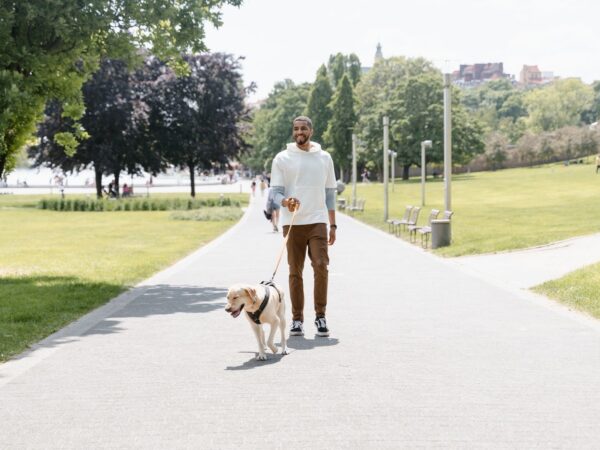
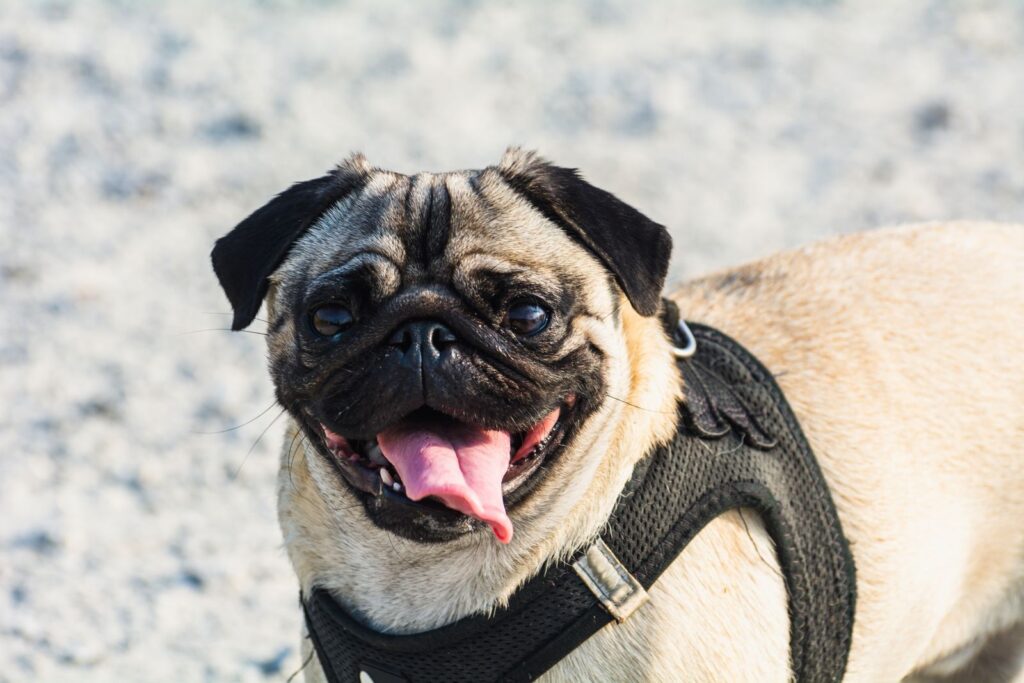
Pugs, French Bulldogs, British Bulldogs, Boston Terriers, Shih Tzus and Boxers share one big summer weakness: their short muzzles make it much harder for them to get rid of body heat. A day that a Kelpie or Labrador shrugs off can push a flat-faced dog into trouble, and Australian summers rarely give them a break.
Here is what owners of these breeds need to do differently this summer, from reading your dog’s breathing to first aid and daily routines.
Key takeaways
- Flat-faced dogs rely on panting through a narrowed airway, so they overheat at temperatures other dogs handle easily.
- Muggy weather in Queensland and the Northern Territory is especially hard on them, even when the thermometer looks moderate.
- Never leave your dog in a parked car, even for a few minutes with the windows down.
- If your dog overheats, cool first with water and moving air, then get to the nearest vet, calling ahead on the way.
- A lean body weight, a harness instead of a collar and a vet check for breathing problems all lower the risk.
Why flat-faced dogs struggle to cool down
Dogs lose most of their excess heat by panting. In brachycephalic (flat-faced) breeds, a normal amount of soft tissue is squeezed into a much shorter face. Many have pinched nostrils, an overlong soft palate that flops into the throat and a narrow windpipe, a combination known as Brachycephalic Obstructive Airway Syndrome (BOAS). Breathing is already hard work for these dogs, so panting cannot shift enough air to bring their temperature down.
It gets worse as they heat up. Fast, effortful breathing can make the tissues in the throat swell, which narrows the airway further, so a dog that is struggling can go downhill quickly. The RSPCA Knowledgebase notes that many brachycephalic dogs have an increased risk of heat-related illness and may be unable to exercise normally, especially in warmer and more humid weather. It cites a study in which a third of these dogs could not walk for more than 10 minutes on a 19°C summer day. RSPCA Queensland adds that these breeds can show signs of heat stress even when the weather is not particularly hot.
French Bulldogs are one of the breeds most often affected; this French Bulldog heat safety guide covers the breed in more detail. For a broader look at BOAS, eyes, skin folds and choosing a healthier pup, see our guide to flat-faced dog breeds.
Australian summer risks for flat-faced breeds
Muggy days. In Brisbane, Darwin, Cairns and much of the tropical north, humidity is the real danger. Panting works by evaporation, and damp air slows it down, so a 30°C muggy afternoon can be harder on a Pug than a hotter, drier day in Adelaide or Perth.
Mild days that are not mild for them. Because exercise tolerance is so limited, a game of fetch at 24°C or a long walk on a warm spring morning can be enough. Judge the outing by your dog’s breathing, not the forecast.
Parked cars. RSPCA WA warns that the temperature inside a parked car can rise to over 47°C within minutes, even on a 22°C day. It describes Victorian tests on a 29°C day where a parked car reached 44°C in 10 minutes and 60.2°C after a further 10, and says leaving the windows down gives little or no relief. For a dog with BOAS, there is no safe length of time.
Footpaths and beaches. Hot ground burns paw pads and adds to a dog’s heat load; our post on hot pavement and burnt paws explains the hand test. At the beach, keep visits short and early, and remember that many flat-faced dogs are weak swimmers who tire quickly. RSPCA Queensland recommends walking at sunrise or sunset in summer.
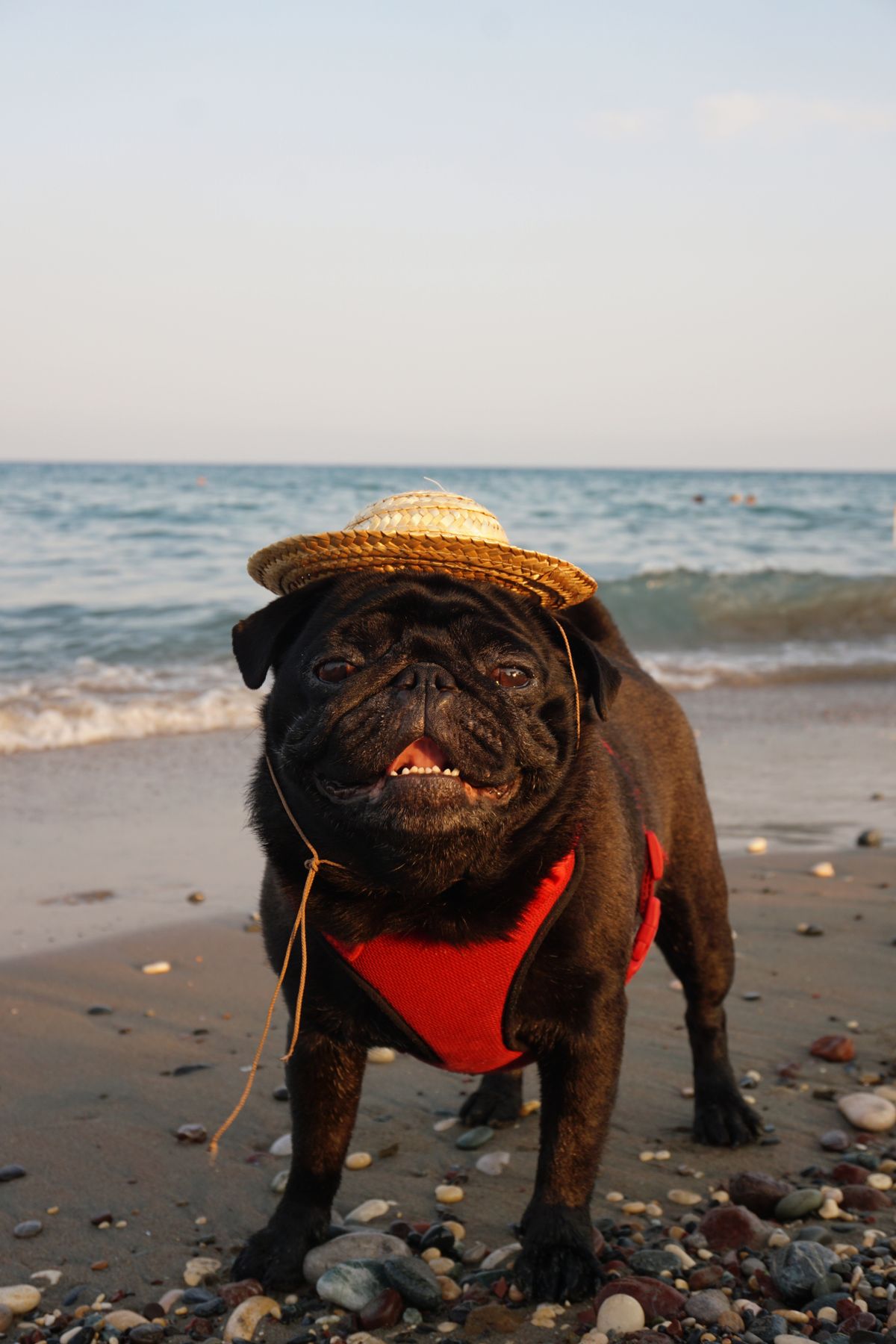
Warning signs in a flat-faced dog
These breeds snore and snort even at rest, so learn what your dog sounds like on a cool day. The change from normal is what matters.
Stop and rest if you notice
- Breathing that becomes louder, harsher or more rasping than usual
- Gagging, retching or bringing up froth
- A wide, flat tongue hanging out and bright red gums
- Lagging behind, lying down or refusing to walk on
Treat it as an emergency if you see
- Noisy, laboured breathing that does not settle within a few minutes of rest
- Gums or tongue turning blue, grey or very pale
- Wobbliness, confusion, vomiting or collapse
The RSPCA Knowledgebase describes heatstroke as a life-threatening emergency. Our heatstroke guide for dogs and cats lists the full range of signs and first aid steps for all pets.
First aid: cool first, transport second
The Royal Veterinary College urges owners to “cool first, transport second”. Its research found that 97% of dogs treated for mild heat-related illness survived, compared with 43% with severe heatstroke, so flat-faced dogs that deteriorate fast need cooling the moment trouble starts.
- Young, healthy dogs: the RVC recommends cold water immersion, such as a bath or paddling pool. With a short-nosed dog, support the body and keep the face well clear of the water.
- Older dogs or dogs with BOAS or other health problems: the RVC recommends pouring water that is cooler than the dog over the body, combined with air movement from a fan or breeze.
- No wet towels. Do not drape wet towels over your dog. The RVC found they were the most common method owners used, but they are not nearly as effective as soaking with water and moving air.
- Call ahead, then go. Ring your nearest vet or animal emergency centre so the team can be ready for a dog that may be struggling to breathe, and keep cooling on the way.
Everyday prevention for brachycephalic dogs
- Keep them lean. The RSPCA says weight control is extremely important for brachycephalic dogs, as extra weight makes breathing problems worse. Your vet can help you set a target.
- Harness, not collar. A well-fitted harness keeps pressure off the throat and an airway that is already narrow.
- Short, slow outings. A gentle sniff around a park at dawn suits these breeds better than a long walk or ball games, and on very warm days indoor games and snuffle mats can replace the walk.
- Keep excitement low. Visitors, zoomies and rough play raise breathing effort just like exercise does.
- Somewhere cool to retreat to. RSPCA Queensland suggests cooling mats and frozen treats, and the RSPCA advises a well-ventilated, shaded area at all times.
- Never in the car. If your dog cannot come inside with you, leave them at home.
When to see a vet
Any dog showing emergency signs needs a vet straight away, even if they seem to recover after cooling. Also book a check-up before summer if your dog snores loudly, tires after short walks, gags or struggles to settle at night. These can signal BOAS, and your vet may suggest treatment options or a summer exercise plan.
FAQ
What temperature is too hot to walk a flat-faced dog?
There is no single safe number, as some of these dogs struggle even on a 19°C day and humidity makes it harder. Walk only at the coolest times, check the ground and skip the walk if in doubt.
Can I use ice water to cool my dog?
The Royal Veterinary College says any water cooler than the dog helps, and recommends cold water immersion for young, healthy dogs. For older dogs or those with BOAS, pour water over them and use a fan.
Is it safe to leave my Pug in the car with the engine running?
It is not worth the risk. Engines can stop and car systems can fail, and RSPCA WA notes car temperatures can climb past 47°C within minutes. Leave your dog at home instead.
Does BOAS surgery stop my dog overheating?
Your vet may recommend surgery to open up the airway in some dogs, and it can make breathing easier. Many dogs still have some breathing limits afterwards, so summer precautions remain important.
Sources
- RSPCA Knowledgebase: What do I need to know about brachycephalic dogs?
- RSPCA Knowledgebase: How can I protect my dog from heatstroke?
- RSPCA WA: The dangers of dogs in hot cars
- RSPCA Queensland: Heatwave warning and your pets
- Royal Veterinary College (VetCompass): The RVC urges owners of hot dogs to “cool first, transport second”
This article is general information for pet owners and is not a substitute for advice from a registered veterinarian. If you think your dog is overheating, start cooling them and contact your vet or nearest animal emergency centre straight away.