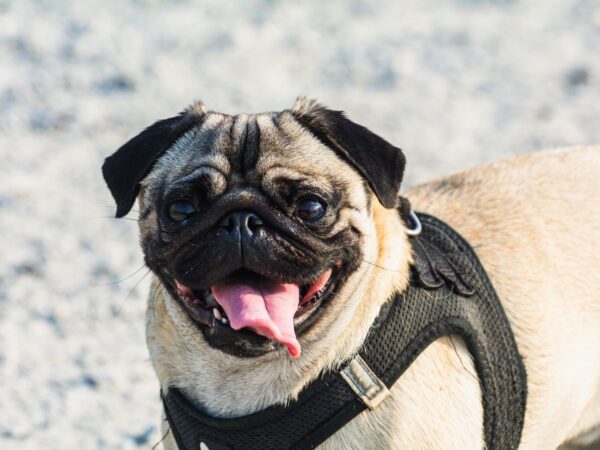
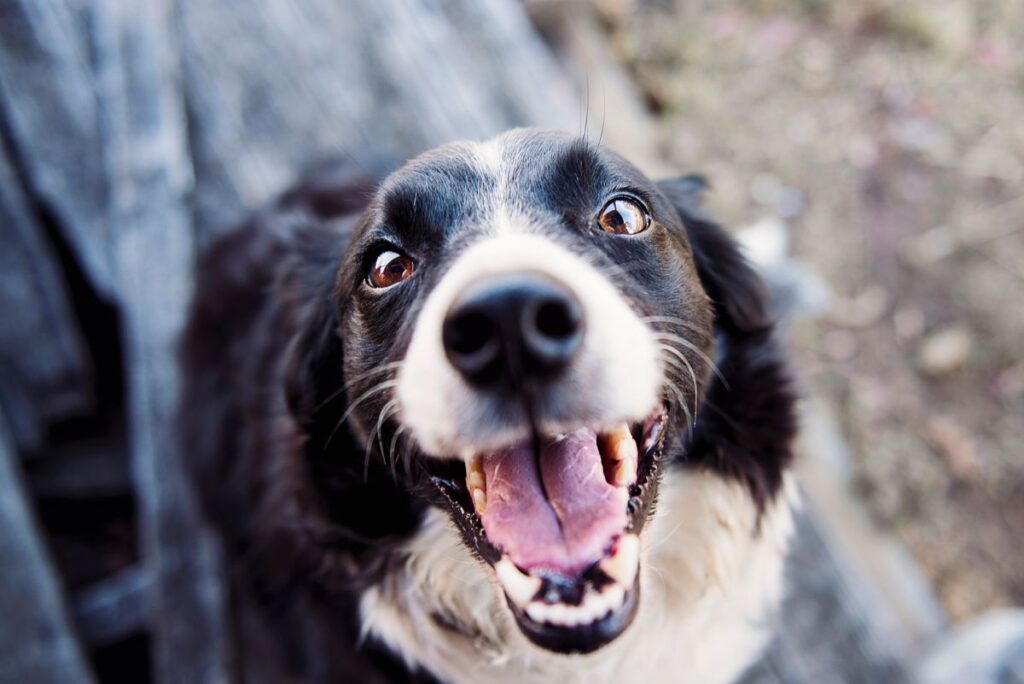
If your normally sprightly kelpie has started taking the stairs one at a time, or your cat has quietly given up her favourite windowsill perch, sore joints could be the reason. Arthritis is one of the most common health problems in older dogs and cats, and it is far more treatable than many owners realise. It also tends to show itself most clearly when the weather turns cold. This guide covers what arthritis is, the signs in dogs and cats, what helps at home, how to get through an Australian winter, and the treatments your vet can offer.
What arthritis is
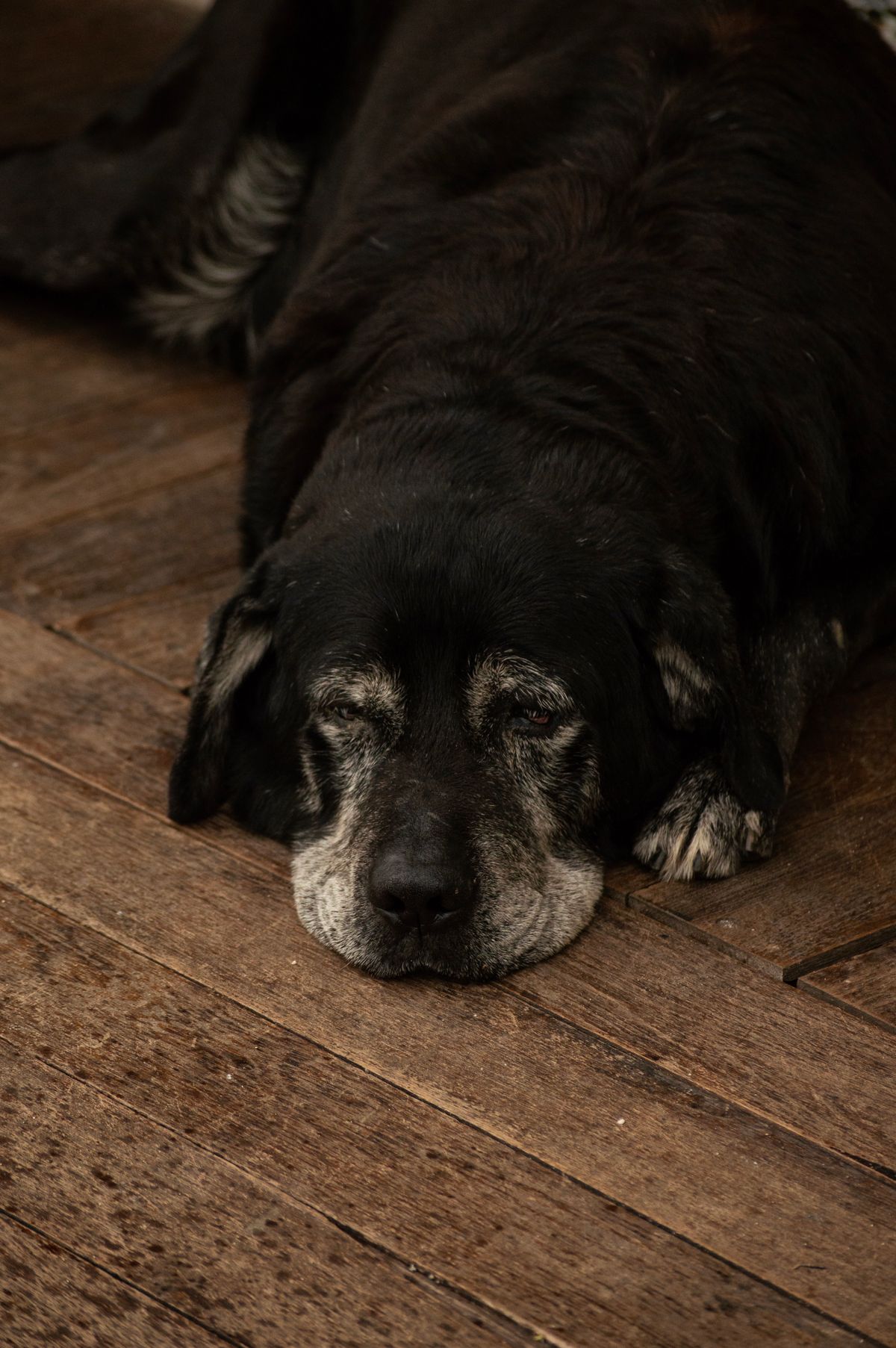
Most arthritis in pets is osteoarthritis, a gradual breakdown of the cartilage that cushions the ends of the bones inside a joint. As that cushioning thins, the joint becomes inflamed, stiff and painful, and the body lays down extra bone around it. It is progressive, so without management it usually gets worse over time.
Arthritis is most common in senior pets, but it is not only an old-age problem. Large and giant breed dogs, dogs with a history of joint problems such as hip or elbow dysplasia, pets with old injuries, and animals carrying extra weight can all develop it from middle age, sometimes earlier.
Cats are the most overlooked group. One widely cited study found X-ray evidence of degenerative joint disease in 90% of cats over 12 years old, yet only a small share of affected cats are ever diagnosed or treated. RSPCA Australia describes arthritis in cats as a common and serious health and welfare problem, largely because cats hide pain so well.
Signs of arthritis in dogs
Dogs tend to show joint pain more openly than cats, but the early signs are still easy to put down to “just getting older”. According to the RSPCA Australia Knowledgebase, signs include:
- Stiffness or limping, especially after rest or first thing in the morning
- Trouble getting up after lying down
- Hesitating at stairs, the couch or the car
- Slowing down or lagging behind on familiar walks
- Licking or chewing at one particular joint
- Grumpiness, snapping or yelping when touched around the hips, back or legs
- Muscle loss over the back legs
- Choosing warm, soft spots and seeking out the heater more than usual
A dog that used to meet you at the door but now waits on their bed may be telling you something.
Signs of arthritis in cats
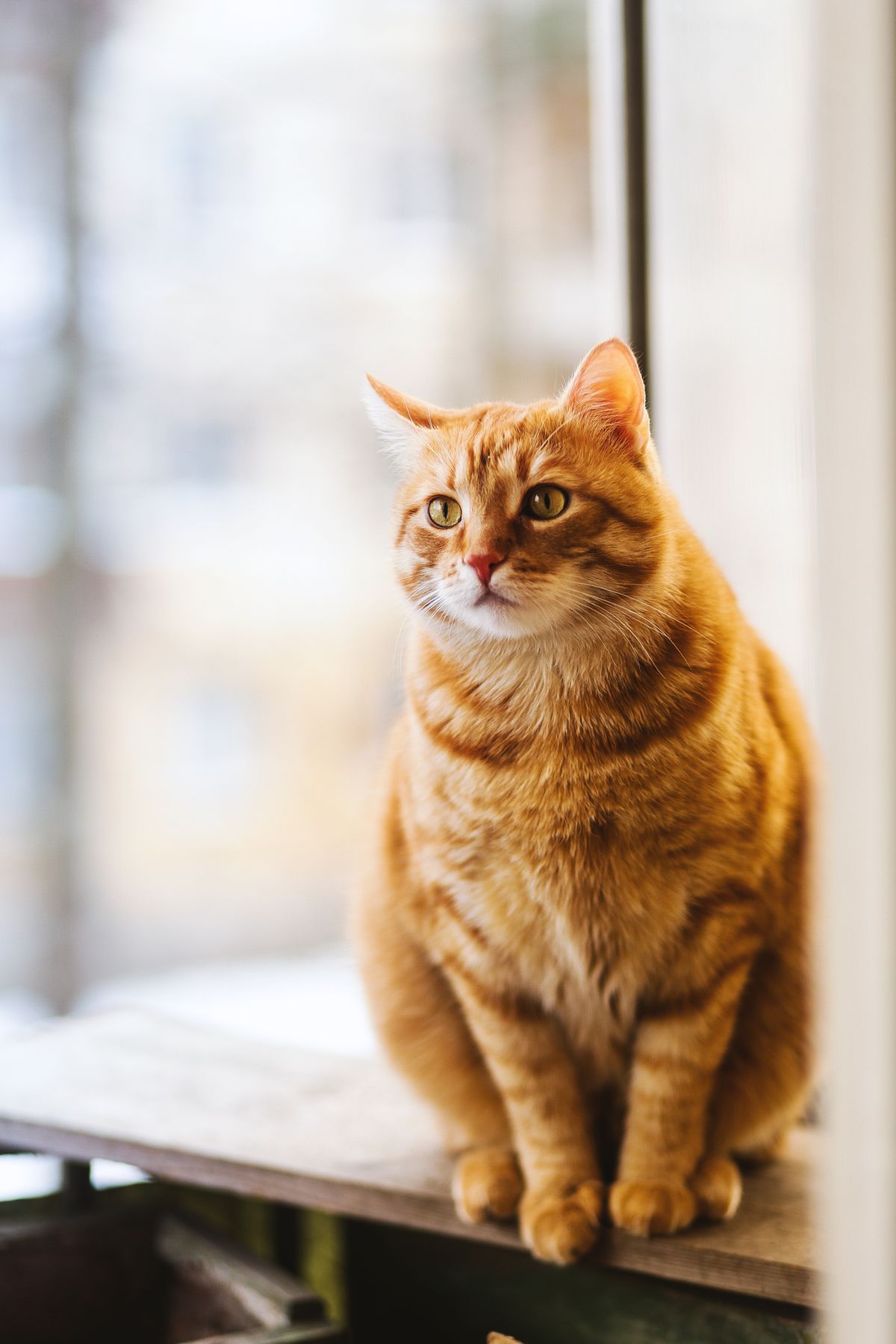
Cats rarely limp in an obvious way. Instead, their world quietly shrinks. International Cat Care and RSPCA Australia list signs such as:
- Not jumping up to high places any more, or hesitating and “planning” the leap first
- Jumping down awkwardly, or using a chair as a halfway step
- Sleeping more and playing less
- A scruffy, matted or less-groomed coat, because twisting to groom hurts
- Toileting outside the litter tray, often because stepping into a high-sided tray is painful
- Being more irritable or withdrawn, or reacting when stroked over the back or hips
- Stiffness after resting, and using fewer areas of the house
Because these changes creep in slowly, many owners only notice them in hindsight. Our guide to the subtle signs of arthritis in older cats goes into more detail.
Why winter often makes joint pain worse
Cold weather does not cause arthritis, but plenty of owners and vets notice that pets with existing joint disease seem stiffer once the temperature drops. Winter is often the season when owners first realise something is wrong. The exact reasons are not fully settled scientifically, but a few factors are likely to play a part:
- Less movement. Cold, wet days mean shorter walks and more time curled up, so joints stiffen and the muscles that support them lose strength.
- Tense, cold muscles. Cold muscles feel tighter, and pets guard sore joints, which adds to the stiffness.
- Cold, hard surfaces. Sleeping on cold tiles or floorboards is uncomfortable for ageing bodies.
- Winter weight creep. Less exercise and the same amount of food add kilos, and every extra kilo loads sore joints.
Older pets also tend to feel the cold more, thanks to less muscle and often less body fat. The classic winter pattern is a slow, creaky start in the morning that eases once your pet warms up and gets moving.
What helps at home
Arthritis cannot be cured, but small, consistent changes at home make a real difference to comfort. They work best alongside a plan from your vet, not instead of one.
Keep the weight off
Weight control is one of the most effective things you can do for an arthritic pet. Feed measured meals, cut back if activity drops, and check body condition regularly. You should be able to feel your pet’s ribs easily without pressing hard and see a waist from above. Our guide to healthy weight loss for dogs and cats has practical steps.
Keep them moving, gently
Little and often beats one big weekend outing. Short, regular walks on even ground such as grass keep joints moving and muscles strong without pounding sore joints. Let your dog warm up gradually with a few minutes of easy walking, and avoid sudden bursts of high-impact play after a long rest. For cats, gentle play with a wand toy at floor level keeps them active without demanding big leaps. Swimming or veterinary hydrotherapy can suit some dogs, but ask your vet how much exercise is right first.
Set up a warm, supportive bed
A thick orthopaedic or memory-foam bed, raised off cold floors and away from draughts, helps stiff joints settle overnight. Many cats love a soft, igloo-style bed in a quiet, easy-to-reach spot. If you use a heated pad, choose one designed for pets, cover the cord if your pet chews, and make sure they can always move away from the heat. Our guide to warming pets safely without burns covers the common mistakes.
Make the home easier to get around
- Lay rugs or non-slip runners over tiles and polished floorboards so your pet can stand up and walk without sliding.
- Use ramps or pet steps for the couch, bed and car to save painful jumps.
- Give cats a litter tray with at least one low side, and keep food, water, bed and tray on one level where possible.
- Put food and water bowls at a comfortable height, and add a step up to favourite cat perches.
- Keep paths to the backyard clear and well lit for night-time toilet trips.
- Help with grooming and nail trims, since arthritic cats often cannot reach everywhere and their claws can overgrow.
Getting through an Australian winter
A few extra steps help arthritic pets through the colder months, especially across the southern states:
- Walk in the warmest part of the day. Move walks to late morning or early afternoon and keep them shorter than usual on very cold days.
- Use a coat if it suits your dog. Short-coated, small, slim and senior dogs often benefit from a well-fitted, waterproof coat, since getting wet speeds up heat loss. See our guide on whether your dog needs a winter coat.
- Dry them off after wet walks. Towel your dog down so they are not lying around damp and cold, and check their paws for cracked pads or grit.
- Bring outdoor dogs inside during cold snaps, or at the very least provide a dry, draught-free kennel with thick bedding.
- Keep them busy indoors on miserable days with sniffing games, a snuffle mat or slow lead work down the hallway.
- Book a winter review. If your pet has already been diagnosed, ask your vet whether their pain relief, supplements or exercise plan need adjusting for the cooler months.
Some owners find a warm (never hot) wheat pack wrapped in a towel, held on stiff muscles for five to ten minutes, helps on bad days. Never leave it on an unattended pet, and check with your vet before applying heat to a joint that is hot or swollen.
Treatments your vet may recommend
Arthritis is painful, and RSPCA Australia notes that the longer pain goes untreated, the worse it tends to become. A vet can confirm the diagnosis through an examination and sometimes X-rays, rule out other problems that can look similar, and build a plan that often combines several of these:
- Anti-inflammatory pain relief made for pets, such as non-steroidal anti-inflammatory drugs (NSAIDs), with monitoring for side effects.
- Other pain medications for ongoing pain, which vets sometimes add when one medicine is not enough.
- Monthly monoclonal antibody injections. These target nerve growth factor, a key driver of arthritis pain. In Australia the dog product is Beransa (sold as Librela overseas), registered by the APVMA in 2022, and the cat product is Solensia. Both are prescription-only and supplied through vets. They can work well for many pets, but results vary, and side effects have been reported, so your vet will assess whether they suit your pet.
- Drugs that help limit cartilage breakdown, given as a course of injections.
- Physiotherapy and hydrotherapy delivered by trained veterinary professionals, as part of a broader plan.
- Joint diets and supplements such as omega-3 fatty acids, glucosamine or green-lipped mussel.
On supplements, keep expectations realistic. Some owners find them helpful and vets often suggest omega-3s, but RSPCA Australia points out that many joint supplements on the market lack strong evidence and should not replace proven treatments. Ask your vet before starting anything new. Our guides to what arthritis medication costs and does and which pet supplements are worth it can help you prepare for that conversation.
One firm rule: never reach for your own medicine cabinet. Human painkillers such as paracetamol and ibuprofen can be toxic to dogs, and paracetamol can be fatal to cats.
When to see your vet
Book a check-up if your pet shows any of the signs above, rather than waiting it out. Arrange a prompt visit if your pet:
- Is suddenly much slower to rise or reluctant to move
- Has started limping, or the limp is getting worse
- Cries out or snaps when touched
- Has a joint that looks swollen or feels hot
- Seems flat and has lost interest in things they normally love
Early treatment keeps more options open and helps prevent the muscle loss that makes arthritis harder to manage. Keeping a simple diary of good days and bad days, and what you changed, helps your vet fine-tune the plan.
Frequently asked questions
Does cold weather cause arthritis in pets?
No. Cold weather does not cause arthritis, but it commonly makes existing joint pain more noticeable. Pets move less in winter, muscles stiffen and weight can creep up, so the underlying joint disease that was already there becomes easier to see.
How do I know if it is arthritis or just old age?
Slowing down is often blamed on age, but stiffness after rest, reluctance to jump and reduced activity are frequently signs of treatable pain. Only a vet can confirm the cause, so it is worth getting an older pet checked rather than assuming.
At what age do dogs and cats get arthritis?
It is most common in senior pets. Larger dog breeds, pets with past joint injuries or developmental joint problems, and overweight animals can show signs from middle age or earlier.
Should I still walk my arthritic dog in winter?
Yes. Gentle, regular movement helps far more than rest. Keep walks short and frequent, choose the warmest part of the day and soft, even ground, and warm your dog up gradually.
What is the monthly arthritis injection for dogs and cats?
It is a monoclonal antibody treatment that blocks nerve growth factor to reduce osteoarthritis pain: Beransa for dogs and Solensia for cats in Australia. It is prescription-only and given by your vet after an assessment.
Can I give my pet human pain relief?
No. Common human painkillers such as paracetamol and ibuprofen are dangerous for pets and can be fatal, particularly paracetamol in cats. Only use pain relief prescribed by your vet.
Key takeaways
- Arthritis is very common in older dogs and cats, and cats in particular are often missed because they hide pain.
- Dogs show stiffness, limping and reluctance to jump; cats jump less, groom less and may miss the litter tray.
- Cold weather does not cause arthritis, but winter often makes existing joint pain more obvious.
- Weight control, gentle regular exercise, warm supportive bedding, non-slip floors and ramps all help at home.
- Vets have effective options, including pet-specific anti-inflammatories and monthly injections (Beransa for dogs, Solensia for cats).
- Never give human painkillers, and see your vet for a diagnosis and a pain-management plan.
This article is general information for Australian pet owners and is not a substitute for advice from a registered veterinarian. If your dog or cat seems sore or stiff, contact your vet.