Cooped Up and Cranky: Winter and the Indoor Cat
As the days get shorter and colder, plenty of Aussie cats swap backyard patrols for the warm spot by the heater. All that unspent energy has to go somewhere – and for a lot of owners it turns up as 3am zoomies, non-stop meowing and a cat who seems thoroughly bored. The good news is that a few small changes can settle a restless indoor cat and give you back your sleep.
Is It Boredom, or Something More?
Before you put it all down to boredom, it’s worth ruling out health issues, especially if the behaviour is new or came on suddenly. A noticeable jump in meowing – particularly loud night-time yowling in older cats – can point to medical problems such as an overactive thyroid, kidney disease, pain or age-related cognitive decline. If your cat’s vocalising has ramped up out of nowhere, or comes alongside weight loss, increased thirst or confusion, book a vet check first. Consult a licensed veterinarian for diagnosis or treatment specific to your pet.
Once health concerns are off the table, most winter restlessness comes down to one thing: a clever little predator with not enough to do.
Signs Your Indoor Cat Is Bored
Boredom rarely looks like a quiet, content cat. More often it shows up as:
- Meowing or yowling for attention, often at night
- Zoomies and knocking things off benches and shelves
- Over-grooming, or scratching the couch and curtains
- Pestering you, other pets or the household in general
- Overeating out of boredom, which feeds straight into winter weight gain
- Sleeping even more than usual and seeming flat or withdrawn
How to Keep an Indoor Cat Happy in Winter
Cats are natural hunters and they’re happiest when they get to stalk, pounce and problem-solve. You don’t need fancy gear – just a bit of variety and a routine your cat can count on.
- Play in short, active bursts a couple of times a day with a wand toy or feather teaser, and let your cat “catch” the prey to finish the game
- Rotate toys so they feel new, rather than leaving everything out at once
- Use food puzzles, or scatter a portion of dry food around the house to bring out natural foraging
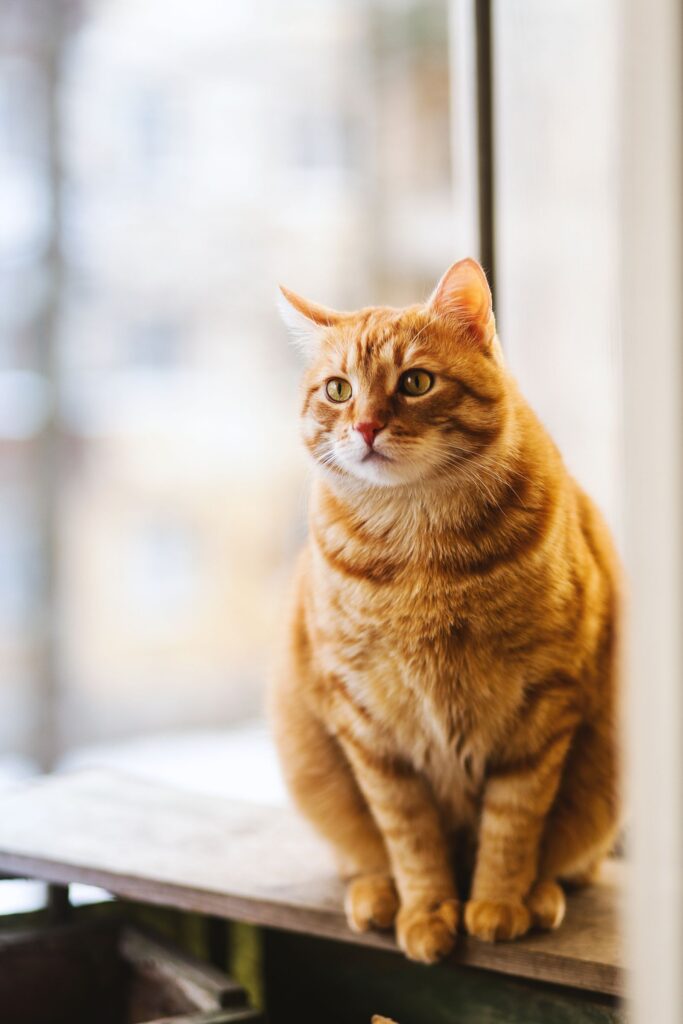
- Add height with a cat tree, a shelf or a clear window perch – a sunny windowsill is prime winter real estate
- Give them a bird-friendly view of the garden for some “cat TV”
- Try a few minutes of clicker training or teach a simple trick for mental exercise
Sorting Out the 3am Wake-Up Calls
Night-time yowling is one of the most common winter complaints, and there’s usually a simple pattern behind it. Cats are crepuscular, meaning they’re naturally most active at dawn and dusk. A cat that’s dozed all day will have plenty of energy left to burn overnight.
- Schedule a solid play session in the evening, followed by a meal, to mimic the natural hunt, catch, eat, sleep cycle
- Try not to reward night meowing with food or attention – it quickly teaches your cat that crying works
- Keep them gently busy during the day so they sleep more soundly at night
- Make sure water, a clean litter tray and a warm bed are all sorted before you turn in
If a normally quiet cat suddenly starts crying at night, treat it as a health flag rather than a behaviour one, and check in with your vet.
Frequently Asked Questions
Why does my cat meow so much at night in winter?
It’s often pent-up energy from spending more time indoors, combined with cats being naturally active at dawn and dusk. A good evening play session followed by a meal usually helps. Sudden night yowling in older cats can signal a health issue, so see your vet if it’s new.
How much play does an indoor cat need each day?
Aim for at least a couple of short, active sessions a day, plus chances to climb, explore and forage through the day. Even a few minutes of focused, hunting-style play makes a real difference.
Do indoor cats get depressed in winter?
Cats don’t experience the seasons the way we do, but boredom and a lack of stimulation can leave them flat, restless or destructive. More enrichment, height and play usually lifts their mood.
Is it cruel to keep a cat indoors?
No. The RSPCA says cats can be safe and happy at home, avoiding the dangers of roaming such as cars, fights and disease, and keeping them contained also protects native wildlife. The key is giving them enough space, height, play and mental stimulation to express their natural behaviours.
Key Takeaways
- Winter usually means more indoor time and more pent-up energy, which shows up as boredom, night yowling and destructive behaviour.
- Rule out health issues first – a sudden increase in meowing, especially in older cats, can be a medical sign.
- Short, regular hunting-style play, food puzzles, height and window views keep indoor cats content.
- An evening “hunt, catch, eat, sleep” routine is the best fix for 3am wake-up calls.
- Indoor living is safe and kind when cats get enough enrichment and stimulation.