
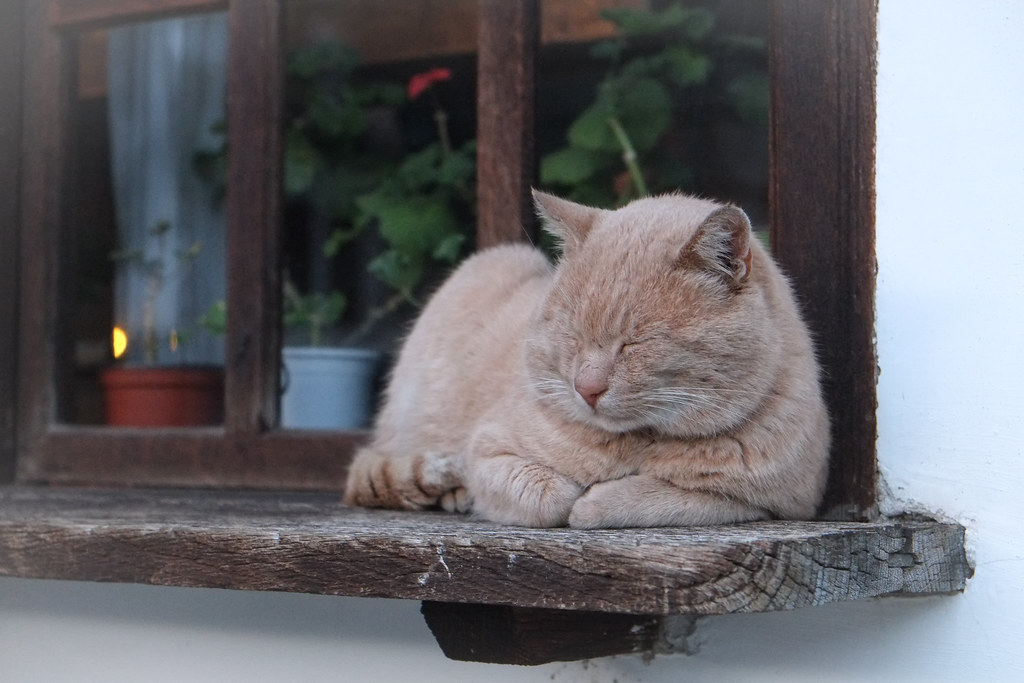
Cats are quiet sufferers. Unlike a dog that limps or yelps, a cat in pain tends to do something far less obvious: it simply does less. It stops making the leap onto the kitchen bench, picks the lower armchair instead of the windowsill, or curls up in a quiet corner more than it used to. Those small changes are easy to put down to “just getting older”, but they’re often the first signs of arthritis.
Joint disease is far more common in cats than most owners realise, and because our feline friends are so good at masking discomfort, it frequently goes unnoticed for years. Here’s how to spot it early and keep your older cat comfortable, especially through the cooler months when stiff joints tend to feel worse.
Arthritis in cats is more common than you’d think
Osteoarthritis happens when the smooth cartilage cushioning a joint wears down, leading to pain, stiffness and reduced movement. It’s long been thought of as a dog problem, but research tells a different story for cats. Studies using X-rays have found osteoarthritis in 61% of cats aged six and older in one Dutch study, and signs of degenerative joint disease in 90% of cats over twelve in a US study. Strikingly, a Glasgow study found limping had been recorded in only a handful of the cats with X-ray signs of osteoarthritis, a clear sign of just how well cats hide it.
Cats are wired to conceal weakness, an instinct that served their wild ancestors well. The result is that the signs are subtle, and the condition is often missed or mistaken for normal ageing.
The subtle signs owners miss
Rather than obvious limping, watch for changes in what your cat chooses to do and how it behaves. International Cat Care lists signs such as:
- Hesitating before jumping up or down, or no longer jumping to favourite high spots
- Taking the stairs more slowly, or using “stepping stones” like a chair to reach the bed
- A scruffy or matted coat, especially over the back: sore joints make grooming uncomfortable
- Toileting just outside the litter tray, often because climbing into a high-sided tray hurts
- Sleeping more, playing less, or hiding away from the household
- Becoming grumpy, flinching or vocalising when picked up or touched along the back and hips
Any one of these on its own might be nothing. A pattern of them, particularly in a cat over seven, is worth a vet visit.

Practical ways to keep an arthritic cat comfortable
Make the home easy to navigate
Small changes remove the painful leaps from your cat’s day. Add a low step or a sturdy stool so they can reach the couch, bed or windowsill in stages. Swap to a litter tray with at least one low side so climbing in isn’t a hurdle, and make sure food, water, litter and a cosy bed are all reachable without stairs or big jumps.
Keep them warm
Cold, damp weather tends to make stiff joints feel worse, so a warm, draught-free bed matters in winter. Choose something soft and supportive in a quiet, sunny spot. Many older cats gravitate to heat, so a safe, gentle warmth nearby (never hot enough to risk a burn) can help them settle.
Help with weight and gentle movement
Extra weight puts more strain on sore joints, so keeping your cat lean is one of the most useful things you can do. If you’re not sure what a healthy weight looks like, your vet or vet nurse can help. Encourage gentle, regular movement with short, low play sessions using a wand toy or food puzzles, enough to keep muscles working, without pushing a stiff cat too hard.
When to see your vet, and an important safety warning
If you’ve spotted any of the signs above, book a check-up. A vet can confirm whether arthritis is the cause, rule out other conditions, and put together a plan that may include cat-specific pain relief, joint support or other therapies. There are now medications designed specifically for feline arthritis, and with the right management many cats become noticeably more active and content.
Never give your cat human or dog pain medication. Common painkillers such as paracetamol and ibuprofen are extremely toxic to cats and can be fatal (even part of one paracetamol tablet can kill a cat, according to International Cat Care), and dog medicines are not safe to share. Always consult a licensed veterinarian for diagnosis and treatment specific to your cat.
The bottom line
Arthritis in cats is common, easy to miss, and very manageable once it’s on your radar. By paying attention to the small things (the skipped jump, the messier coat, the quieter cat) and making a few simple changes at home alongside your vet’s advice, you can keep your older companion moving comfortably and enjoying the cosy spots they love, right through the Aussie winter and beyond.