
By GoPetr Writer · General information only, checked against Australian veterinary and government sources, not a substitute for advice from a vet who can examine your dog.
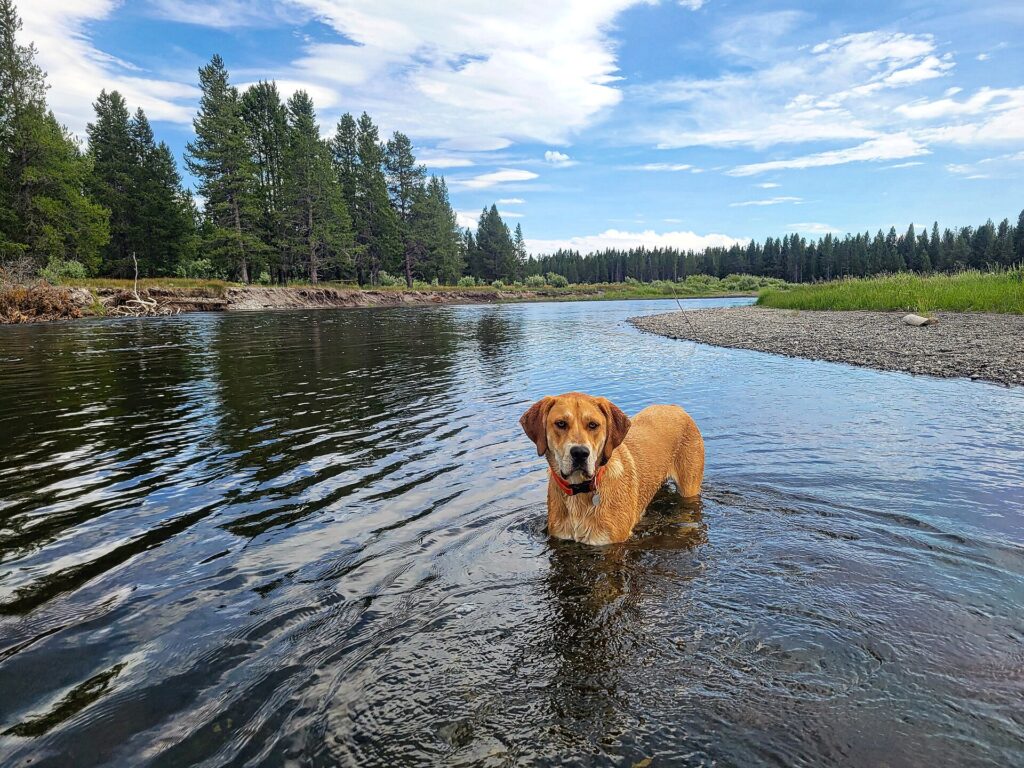
As the weather warms, dogs head back to rivers, dams and lakes for a swim. Most days that is harmless fun. But warm, still water can grow blooms of blue-green algae that make a dog gravely ill within hours. It is a less talked-about warm-season hazard in Australia, and worth knowing before your dog goes near the water.
What blue-green algae actually is
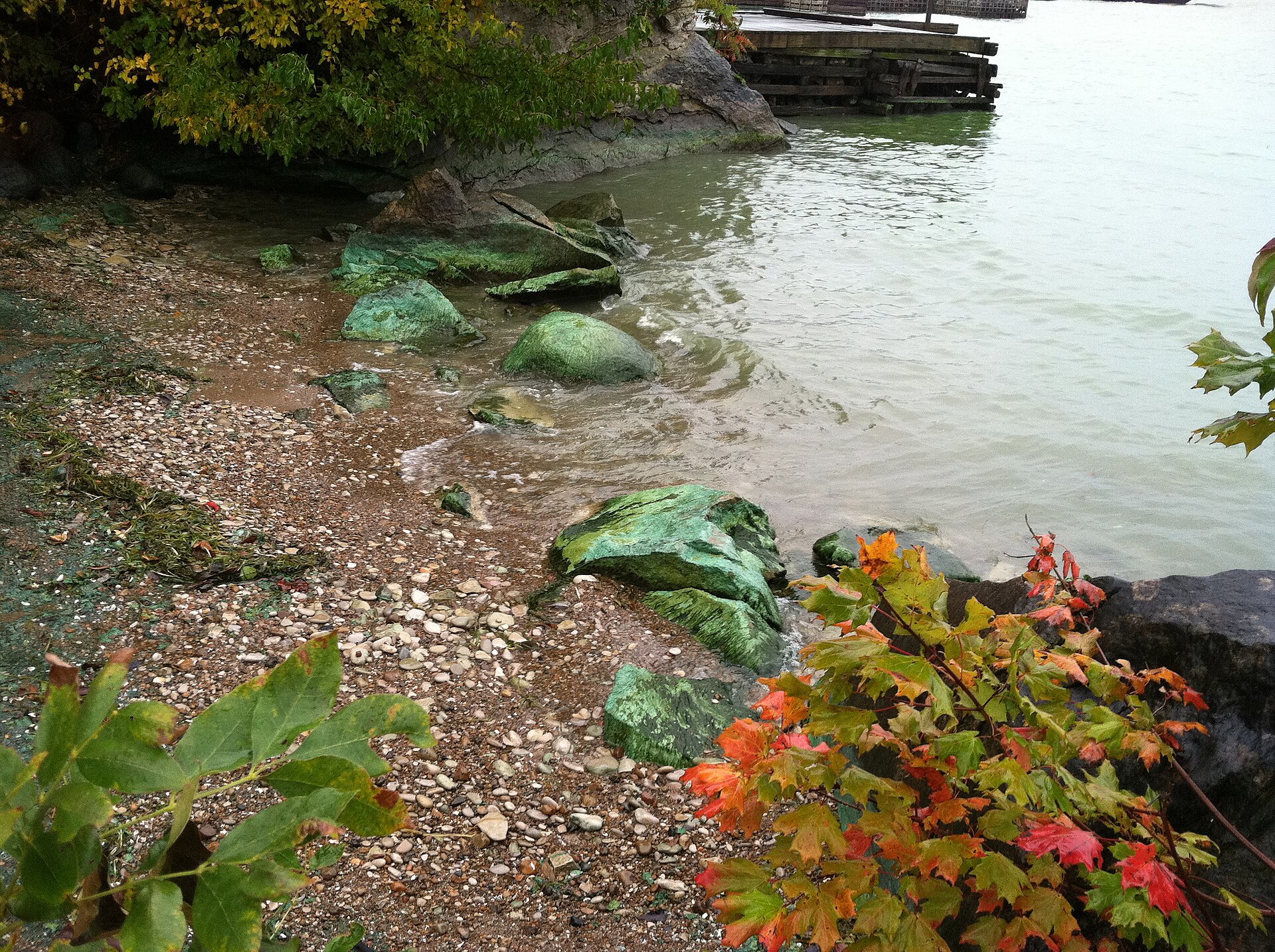
“Blue-green algae” is the common name for cyanobacteria: microscopic organisms in fresh and brackish water that, in warm, still, nutrient-rich conditions, can multiply into a visible bloom. The danger is the toxins some blooms release. According to Cornell University’s Riney Canine Health Center, the two most serious are microcystins, which cause severe liver injury, and anatoxins, which attack the nervous system; both can lead to shock, respiratory failure and death. You cannot tell a toxic bloom from a harmless one by sight, so treat any bloom as dangerous.
How dogs are exposed, and how quickly
A dog does not have to drink much to be affected. Exposure happens by swimming through a bloom, drinking the water, licking algae off wet fur, or even eating the dried, crusty scum along the shoreline. Onset can be fast: the Royal Kennel Club says signs often start within an hour and can appear within minutes, though they are sometimes delayed, and vets at Melbourne’s Lort Smith Animal Hospital warn that poisoning can be fatal within 24 hours. That short window is why blue-green algae is so serious.
Warning signs to watch for
Signs depend on which toxin is involved, but veterinary sources describe a fairly consistent picture. After time in or near suspect water, watch for:
- Vomiting, diarrhoea or heavy drooling
- Weakness, stumbling or collapse
- Muscle tremors or stiffness
- Seizures
- Difficulty breathing, or pale, bluish or grey gums
- Sudden lethargy or disorientation
These signs (per Cornell) can escalate fast: if your dog was near water and shows any of them, treat it as an emergency.
When to call the vet: a quick decision guide
There is no home remedy and no specific antidote: treatment is intensive supportive care, so speed matters more than almost anything. Use this as a rough guide:
- Go straight to a vet now if your dog collapses, has a seizure, struggles to breathe, or develops tremors after contact with water. Ring ahead so the clinic is ready.
- Rinse first, then go if your dog contacted a visible bloom but seems well: wash it thoroughly with clean fresh water so it cannot lick more toxin off its coat, then call your vet.
- When in doubt, ring, don’t wait: the 24/7 Animal Poisons Helpline on 1300 869 738 can help you triage.
If you are ever unsure whether a warm-weather emergency needs a vet, our guides on cane toad poisoning and snake bite first aid follow the same principle: when a fast-acting toxin is involved, minutes count. A tele-vet service can help you decide, but never let a phone call delay treatment for a collapsing dog.
Where and when it happens in Australia
Blooms are driven by warm water, sunlight, slow flow and nutrient run-off, so the risk is generally highest in the warmer months. Still, slow-moving fresh water (dams, farm ponds, lakes, weir pools and sluggish river stretches) are the classic trouble spots. Water authorities monitor blooms in major rivers and storages, and states run public alert systems: in New South Wales you can check the WaterNSW algae alerts map or ring the algal information hotline on 1800 999 457, and other states publish similar alerts. It is worth a 30-second check before letting your dog swim somewhere new.
How to lower the risk
You cannot test the water yourself, so prevention comes down to a few habits:
- Avoid water with green, blue-green or teal scum, paint-like streaks, or a musty, foul smell.
- Skip still, stagnant dams and ponds in hot weather, especially where livestock or run-off are nearby.
- Check local algae alerts before visiting a new lake, river or dam.
- Rinse your dog with fresh water after any natural swim, and carry clean drinking water so it is not tempted to drink from the source.
- Take council or water-authority warning signs seriously.
The official advice is the same: WaterNSW says red-alert blooms should be treated as toxic to people and animals, and the Royal Kennel Club advises not letting your dog drink or swim in water you think might be affected. If you cannot be sure water is safe, keep your dog away.
Frequently asked questions
Can blue-green algae actually kill a dog?
Yes. In serious cases it can be fatal within hours, and there is no antidote: treatment is supportive care while the toxin clears, so immediate veterinary attention gives the best chance.
What does toxic algae look like?
Blooms can look like pea-soup green water, a paint-like scum, or blue-green streaks, often with a bad smell. But appearance is not a reliable test: you cannot tell toxicity by sight, and clear-looking water can still hold toxins, so treat any suspected bloom as dangerous.
My dog swam in a dam, should I be worried?
If there was any visible scum or bloom, rinse your dog with clean water so it cannot lick more off its fur, watch closely for the signs above, and call your vet or the Animal Poisons Helpline on 1300 869 738. If it seems unwell at all, go straight in.
Key takeaways
- Blue-green algae (cyanobacteria) can poison dogs through swimming, drinking or licking their fur, and can act fast.
- You cannot tell a toxic bloom by sight, so treat any green, scummy or smelly water as unsafe.
- There is no antidote; rapid veterinary care is the priority. Keep the Animal Poisons Helpline (1300 869 738) handy.
About the author: GoPetr Writer is the GoPetr editorial team, which compiles guidance from Australian veterinary and government sources. We are not veterinarians; this article is general information with links to the original sources. For advice specific to your dog, consult a licensed Australian veterinarian.