
Fleas and intestinal worms are two of the most common parasites in Australian dogs and cats, and two of the easiest to let slide. Fleas cause itching, skin problems and, in heavy numbers, anaemia. Worms can quietly rob a pet of nutrients, and some can infect people, particularly children. The good news is that a simple, consistent prevention routine costs far less than treating an infestation and protects your whole household. This guide covers how fleas and worms work, the signs to look for, a year-round prevention plan, and why spring and winter both need attention.
Why fleas are so hard to get rid of
The fleas you see on your pet are only part of the problem. Adult fleas live on the animal, feed on blood and lay eggs in the coat. Those eggs fall off into bedding, carpets, under furniture, under the house and into the garden. According to the MSD Veterinary Manual, a single female flea can lay up to 50 eggs a day and around 2,000 in her lifetime.
The eggs hatch into larvae that hide deep in carpet fibres and cracks, then spin cocoons and become pupae. Under normal household conditions the full life cycle takes about three to eight weeks, but pupae can sit dormant for months, waiting for warmth, vibration or a passing pet before hatching. That is why one flea that hitches a ride home from the park can turn into a household problem within weeks, and why a “clean” house can suddenly erupt with fleas after you return from holidays.
It also explains why treating only the itchy pet rarely works. You need to treat every pet in the home and deal with the eggs and larvae in the environment.
Signs your dog or cat has fleas
Flea bites are itchy, and some pets are allergic to flea saliva, so a single bite can trigger days of scratching. Watch for:
- Scratching, biting or licking, especially around the base of the tail, lower back, belly and inner thighs.
- Hair loss or red, scabby skin, often on the lower back. In cats, flea allergy can cause tiny crusty bumps along the back and neck.
- Flea dirt. These are tiny black specks in the coat. Comb your pet over white paper and add a drop of water. If the specks turn reddish-brown, that is digested blood and a sure sign of fleas.
- Restlessness and trouble settling.
- Pale gums and weakness in heavily infested pets, especially puppies and kittens, which can mean anaemia from blood loss.
Not every itch is fleas. Allergies to pollen, food and other triggers are common too, particularly in spring. See our guide to spring itch in dogs if fleas have been ruled out.
Intestinal worms: the hidden invaders
Worms are less obvious than fleas but just as common. The main intestinal worms in Australian dogs and cats are roundworm, hookworm, whipworm (mainly in dogs) and tapeworm, including the hydatid tapeworm in dogs. Worm eggs can survive in soil and backyards for long periods, so pets that sniff, dig, hunt or lick around parks and gardens are exposed all year.
Fleas and worms are linked. The common flea tapeworm is spread when pets swallow infected fleas while grooming, which is one more reason flea control and worming go hand in hand.
Signs of worms
Many worm infections show no signs early on. As numbers build, you might notice:
- Scooting along the ground, often linked to tapeworm segments around the bottom
- Worms in poo or vomit, looking like spaghetti (roundworm) or grains of rice (tapeworm segments)
- A pot-bellied look in puppies and kittens
- Diarrhoea, sometimes with blood or mucus
- A dull coat, weight loss or poor growth despite a good appetite
- Pale gums and lethargy, which can mean anaemia from a heavy hookworm burden
Why worms matter for your family
Several common dog and cat worms are zoonotic, meaning they can pass to people. Roundworm and hookworm larvae can be picked up from soil contaminated with pet poo, and hydatid tapeworm, spread by dogs, can cause serious cysts in human organs. Young children are most at risk because they play in dirt and put their hands in their mouths.
A few simple habits protect everyone:
- Pick up dog poo promptly and clean litter trays daily.
- Wash hands after handling pets, gardening or playing in the yard, and teach children to do the same.
- Cover sandpits when not in use and keep pets out of veggie gardens.
- Never feed dogs raw offal from sheep or other livestock, which can spread hydatid tapeworm.
Many owners are not aware of these risks. Our guide to why worming your pet protects your family explains them in more detail.
Your year-round protection plan
Prevention does not have to be complicated. The RSPCA Australia Knowledgebase recommends year-round flea prevention prescribed or recommended by your vet, rather than relying on cheap supermarket products or unproven remedies. Most vets suggest a plan that covers fleas, intestinal worms and, for dogs, heartworm.
Fleas
- Treat every pet in the house at the same time, with products made for that species, all year round.
- Never swap products between dogs and cats. The RSPCA warns that flea products designed for dogs can be fatal to cats. Some dog products contain permethrin, which is highly toxic to cats.
- Dose to your pet’s current weight and keep to the schedule. Set a phone reminder so doses do not lapse.
- Treat indoor cats too. Fleas can come inside on your clothes, shoes or other pets.
Worms
- Puppies and kittens: RSPCA Queensland advises worming litters every two weeks from two weeks of age. A common schedule then continues fortnightly until about 12 weeks, monthly until six months, then moves to the adult routine. Your vet will give you a plan to suit your pet.
- Adult dogs and cats: worm at least every three months, or monthly if you use a combination product that includes intestinal worms. Pets that hunt, live with children or spend time in high-risk places may need more frequent treatment.
- Use an “all-wormer” that covers tapeworm as well as roundworm and hookworm, or check that your combination product does.
Heartworm and ticks
- Heartworm is spread by mosquitoes and can be fatal in dogs. Many vets recommend year-round prevention, either a monthly product or an annual injection. Our guide to heartworm prevention explains the options.
- Ticks need their own cover. Not every flea and worm product protects against paralysis ticks. If you live in or visit a tick area, check your product’s label and read our guide to paralysis ticks.
Around the home
- Vacuum floors, rugs and furniture weekly, paying attention to where your pet sleeps, and empty the vacuum outside.
- Wash pet bedding regularly in hot water.
- In a heavy infestation, the RSPCA suggests treating the home weekly, including outdoor areas where pets rest. Be patient. The MSD Veterinary Manual notes that clearing an established flea problem can take two to three months.
Seasonal risks: spring and winter
Why spring is a flea and worm hot spot
Warm, humid spring weather speeds up the flea life cycle, so eggs and pupae that have been sitting quietly in carpets and gardens hatch faster. Pets are also outside more, at parks and beaches, mixing with other animals and picking up worm eggs from soil. Many owners notice the first scratching of the year around September and October. If your pet’s prevention lapsed over winter, spring is the time to restart it and treat the home. Our spring parasite plan check walks through a quick review.
Winter is not a parasite holiday
It is tempting to ease off in the cold months, but Australia rarely has a true parasite off-season. Worm eggs survive in yards regardless of temperature, mosquitoes stay active in warmer northern and coastal areas, and centrally heated homes give fleas a cosy breeding ground right through winter. Stopping treatment in winter often means a flea explosion in spring. Our guide to why fleas do not take a winter break has more.
When to see your vet
Book an appointment if you notice:
- Pale gums, weakness or lethargy, especially in puppies and kittens
- Severe scratching that has caused raw, broken or infected skin
- Worms in vomit, or ongoing diarrhoea
- Weight loss despite a good appetite
- Fleas that keep coming back despite regular treatment
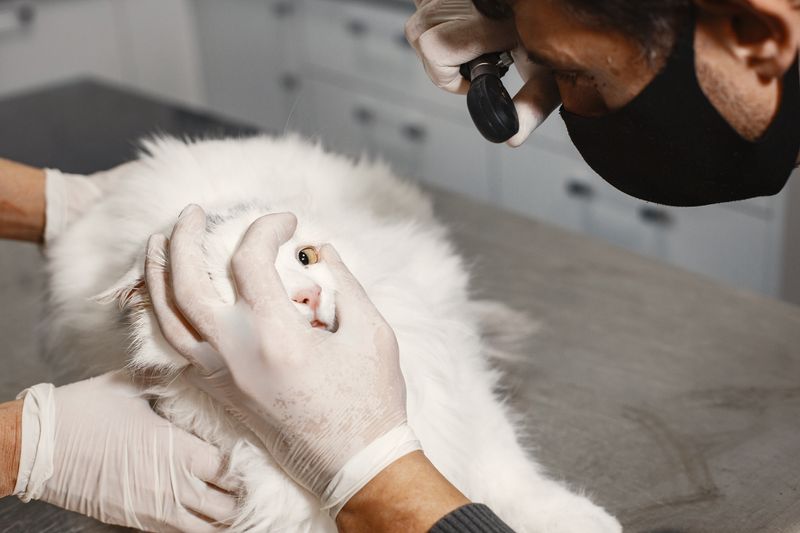
Your vet can recommend effective, up-to-date products for your pet’s age, weight and lifestyle, and check for other causes of itching or gut upset. Products and risks vary a lot by region, so a quick chat at your pet’s annual check-up is worthwhile even when everything seems fine.
Frequently asked questions
Do I really need to treat for fleas and worms all year?
Yes, for most Australian pets. Fleas breed indoors year-round in heated homes, worm eggs survive in soil through the cold, and heartworm-carrying mosquitoes are active for much of the year in warmer areas. Consistent, year-round prevention is far easier than clearing an infestation.
Can my indoor cat get fleas or worms?
Yes. Fleas and worm eggs can come inside on shoes, clothing or other pets, and cats that catch insects, lizards or mice can pick up worms. Indoor cats generally still need regular flea and worm prevention. Ask your vet how often.
How often should I worm my dog or cat?
Puppies and kittens need frequent worming, starting at two weeks of age. Most adult dogs and cats should be wormed at least every three months, or monthly with some combination products. Your vet may suggest more often for hunting pets or homes with young children.
Are cheap supermarket flea products good enough?
Some older products are less effective, and fleas can become harder to control with certain ingredients. The RSPCA recommends using products prescribed or recommended by your vet. Whatever you use, make sure it is made for your pet’s species and weight.
Can people catch worms from pets?
Some worms, including roundworm, hookworm and hydatid tapeworm, can infect people, with young children most at risk. Regular worming, prompt poo pick-up and good hand hygiene keep the risk low.
Key takeaways
- Most of a flea problem lives in your home, not on your pet, so treat every pet and the environment.
- Itching, flea dirt, scooting and worms in poo are signs to act on. Pale gums need a vet visit.
- Use vet-recommended, species-specific products, and never use dog flea products on cats.
- Worm puppies and kittens from two weeks of age, and adults at least every three months.
- Some pet worms can infect people, so pick up poo promptly and wash hands, especially around children.
- Spring brings a surge in fleas, but year-round prevention, including heartworm and tick cover where needed, works best.
This article is general information for Australian pet owners and is not a substitute for advice from a registered veterinarian. Talk to your vet about the right parasite prevention for your pet.