
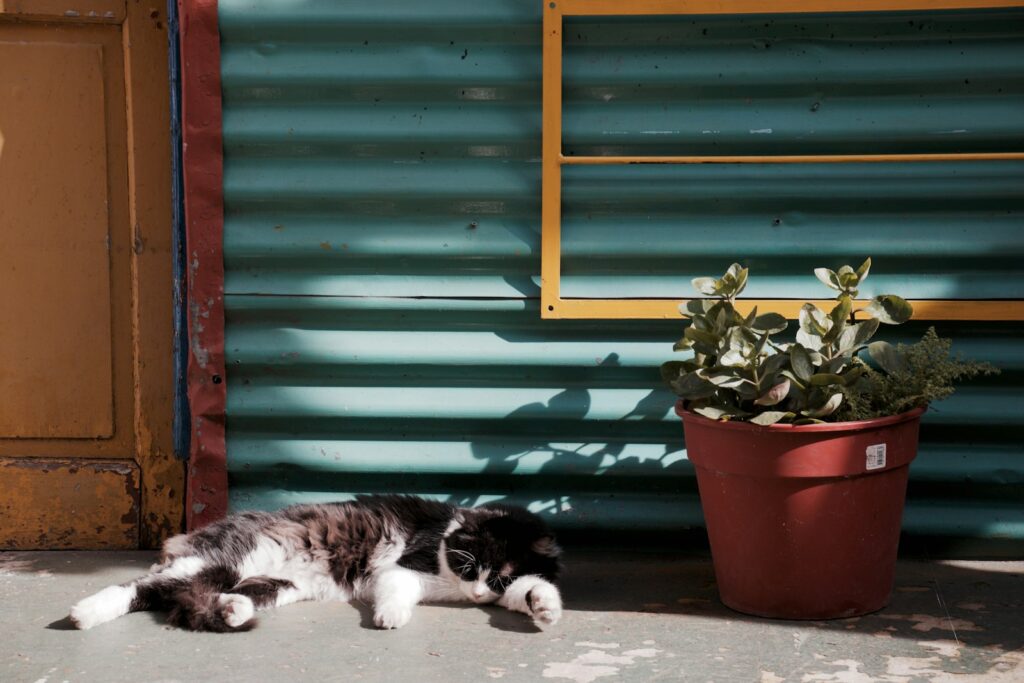
Winter is peak houseplant season in Australia. As the cold settles across the southern states, many of us are crowding our window sills with greenery and keeping cats and dogs indoors for longer – and that combination keeps a steady stream of poisoning cases arriving at vet clinics. In July 2026, Petstock head vet Dr Gloria Ebeyer said she sees plant-poisoning cases coming through clinic doors every day, and that several of the most popular indoor plants in Australian homes are behind them (Australian Dog Lover).
By GoPetr Writer, pet writer. General information only and not a substitute for veterinary advice – every medical claim below is linked to an authoritative source.
The popular plants that pose a risk
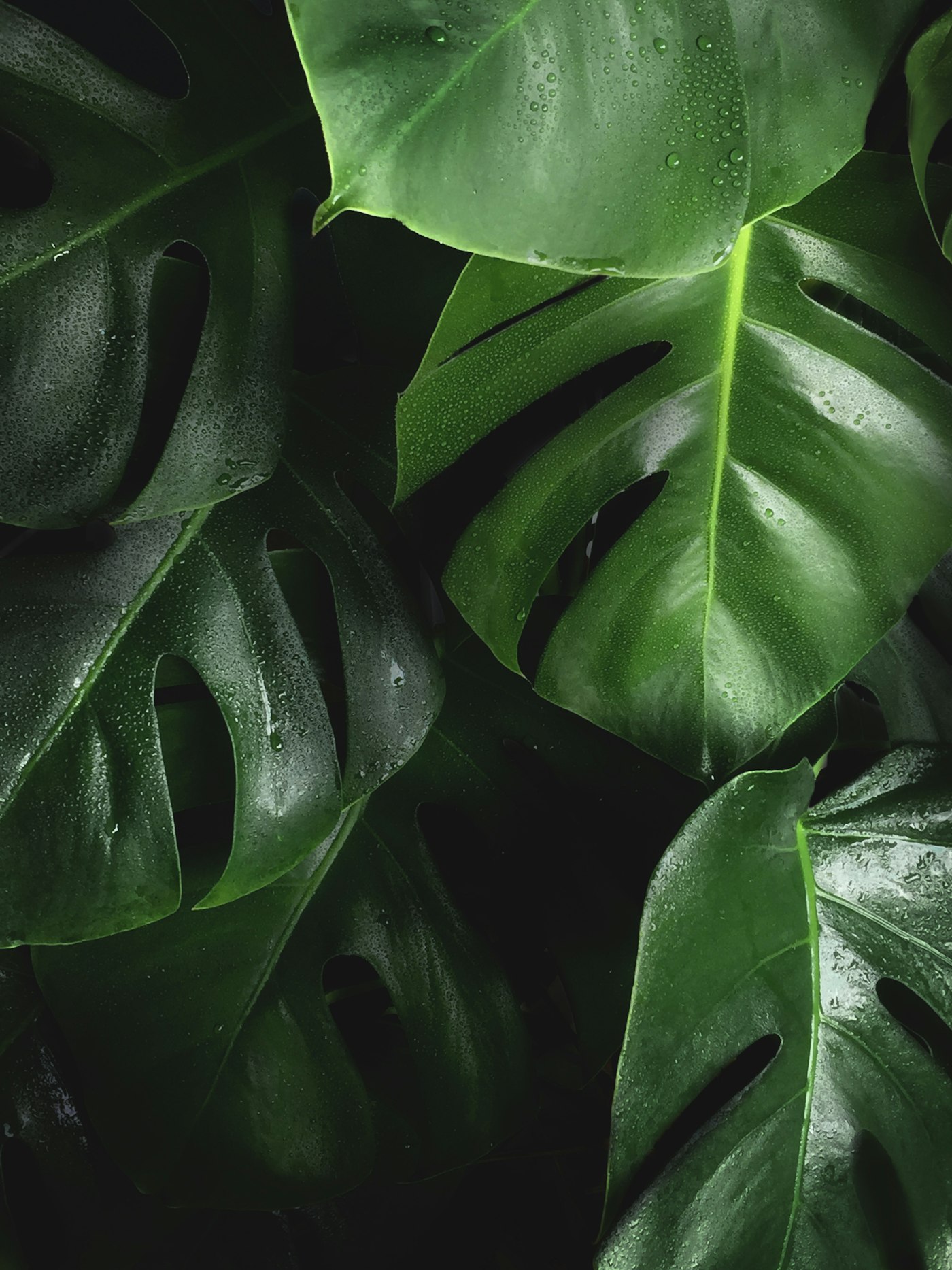
Most of the trendy foliage plants Australians love belong to the aroid family, and they share the same defence mechanism: bundles of tiny, needle-like insoluble calcium oxalate crystals. When a pet chews a leaf, those crystals are released and cause intense burning of the lips, mouth and throat, drooling and vomiting (Pet Poison Helpline). This group includes pothos or devil’s ivy, monstera, philodendron, peace lily and dieffenbachia (dumb cane). Aloe vera is a different case – the latex in its leaves contains anthraquinone compounds that can cause sudden diarrhoea and sometimes vomiting (Merck Veterinary Manual).
One group sits in a far more dangerous league. True lilies (Lilium species) and day lilies (Hemerocallis) are potentially fatal to cats: even tiny amounts – or a cat licking pollen off its fur – can cause acute kidney failure within 12 to 72 hours (RSPCA Knowledgebase). We cover that in detail in our guide to lilies and cats. The good news is that a peace lily, despite the name, is not a true lily and does not carry that kidney risk.
| Plant | Main toxin | Typical severity |
|---|---|---|
| Pothos / devil’s ivy | Calcium oxalate | Mouth pain, drooling, vomiting – usually mild to moderate |
| Monstera | Calcium oxalate | Mild to moderate |
| Philodendron | Calcium oxalate | Mild to moderate |
| Peace lily (not a true lily) | Calcium oxalate | Mild to moderate |
| Dieffenbachia (dumb cane) | Calcium oxalate | Can swell the airway – moderate |
| Aloe vera | Anthraquinones (in the latex) | Diarrhoea, sometimes vomiting |
| True lily / day lily (cats) | Kidney toxin | Potentially fatal – emergency |
Symptoms to watch for
According to Dr Ebeyer, the signs of plant poisoning to watch for are (Petstock):
- Excessive drooling or salivation
- Pawing at the mouth or face
- Vomiting or diarrhoea
- Loss of appetite, lethargy or weakness
- Difficulty breathing or walking
- Seizures in severe cases
With the oxalate plants, mouth pain and drooling usually start very soon after chewing (Merck Veterinary Manual), and in rare cases throat swelling can make breathing difficult (Pet Poison Helpline). Cats are especially prone to nibbling greenery indoors, so watch closely if you notice chewed leaves.
Call the vet now – or monitor at home?
Use this quick checklist. When in doubt, ring for advice rather than wait.
Treat it as an emergency – contact a vet or the Animal Poisons Helpline (1300 869 738) straight away – if:
- Your cat has had any contact with a true lily or day lily, including pollen
- There is swelling of the mouth or tongue, non-stop drooling, or trouble breathing or swallowing
- You see repeated vomiting, weakness, collapse or seizures
- You are not sure which plant was eaten, or how much
Monitor at home and phone for advice if: your pet took a single small nibble of an oxalate plant, has only mild mouth irritation, and is otherwise bright and eating – but still call the Helpline to be safe. As Dr Ebeyer puts it, “the sooner we can intervene, the better the outcome” (Petstock).
Safer green swaps
You don’t have to give up on indoor plants. Petstock lists these as pet-friendlier choices (source):
- Spider plant
- Boston fern
- Calathea
- Parlour palm
- Peperomia
“Pet-friendly” still isn’t a licence to let pets graze, so keep plants up high or in rooms your animals can’t reach. Bored indoor pets often chew out of curiosity, so give them better outlets over winter – our winter indoor enrichment ideas can help. It’s also worth checking our list of foods that are toxic to cats while you’re pet-proofing the house.
An Australian safety net
The Animal Poisons Helpline (1300 869 738) is a 24/7 service for Australian pet owners and a sensible first call if you’re unsure. Check its website for current consultation costs. Acting early also tends to be cheaper than an after-hours emergency visit, so prevention beats a midnight dash.
Frequently asked questions
Are peace lilies as dangerous as real lilies for cats?
No. A peace lily isn’t a true lily. It causes mouth irritation and vomiting from insoluble calcium oxalate (Pet Poison Helpline) rather than the kidney failure that true lilies and day lilies cause in cats (RSPCA). Both still warrant a vet call, but only true lilies are the life-threatening kidney emergency.
My dog chewed a monstera leaf – what should I do?
Gently wipe out the mouth, offer a little water, and watch for drooling or vomiting. Ring the Animal Poisons Helpline or your vet for tailored advice, especially if the signs are more than mild (Pet Poison Helpline).
Which indoor plants are safe around pets?
Spider plant, Boston fern, calathea, parlour palm and peperomia are commonly listed as safer options, but keep any plant out of reach to be sure (Petstock).
Key takeaways
- Popular aroid plants – pothos, monstera, philodendron, peace lily and dieffenbachia – cause painful mouth irritation and vomiting, usually mild to moderate.
- True lilies and day lilies are a potentially fatal kidney emergency for cats, even in tiny amounts.
- Watch for drooling, mouth-pawing, vomiting, weakness or breathing trouble; signs often appear within minutes to hours.
- Save the Animal Poisons Helpline number: 1300 869 738. When in doubt, call.
- Swap risky plants for spider plant, Boston fern, calathea, parlour palm or peperomia, and keep them out of reach.
Consult a licensed veterinarian for diagnosis or treatment specific to your pet.
Sources
- Australian Dog Lover – Petstock vet warning on toxic houseplants (July 2026)
- RSPCA Knowledgebase – Are lilies toxic to cats?
- Animal Poisons Helpline (Australia)
- Pet Poison Helpline – insoluble calcium oxalates
- Merck Veterinary Manual – houseplants and ornamentals toxic to animals
- Pet Circle – poisonous plants for dogs and cats