
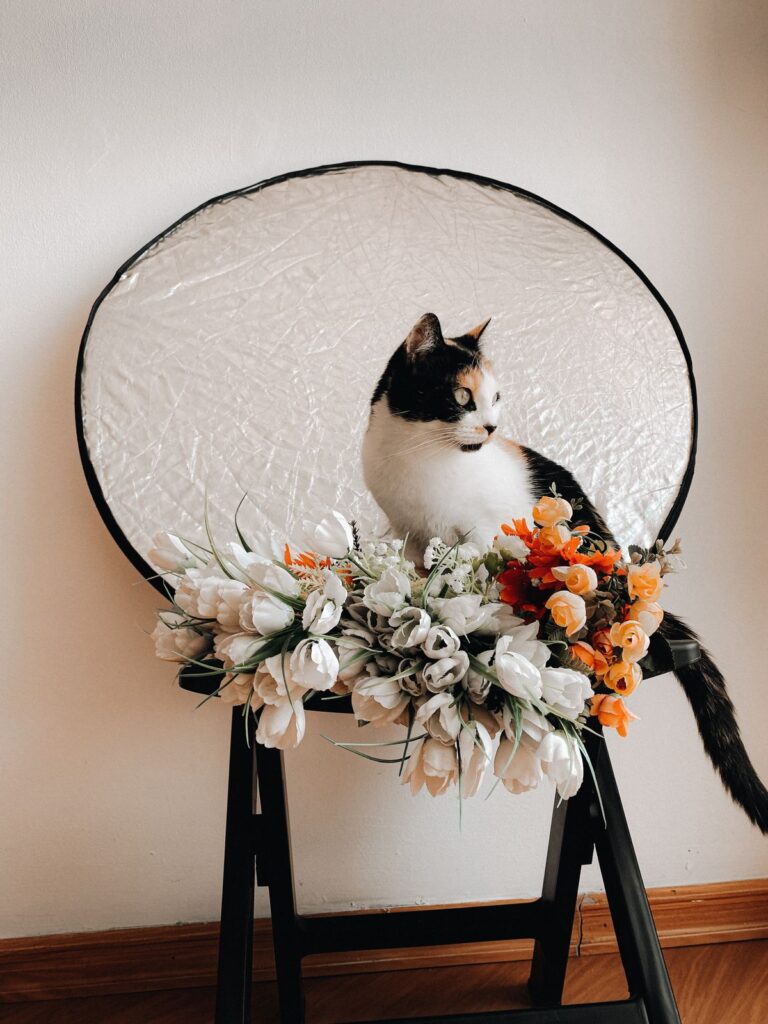
Mid-winter is peak season for fresh flowers indoors. Between Christmas in July dinners, brightening up a grey Aussie afternoon and the steady move toward keeping cats inside, more bouquets than ever are landing on kitchen benches, right where curious cats roam. The problem is that one of the most popular cut flowers in the country, the lily, is also one of the most dangerous things you can bring near a cat.
Lilies are beautiful and long-lasting, which is exactly why florists love them. But for cats they can trigger fatal kidney failure, often from an amount so small you would never think twice about it. Here is what every Australian cat owner should understand before the next bunch comes through the door.
Why lilies are uniquely dangerous to cats
Cats appear to be uniquely vulnerable to lily poisoning. The toxin damages the kidneys, and it does not take much. According to the RSPCA Knowledgebase, all parts of the plant are highly toxic to cats, and the US Food and Drug Administration notes that the stem, leaves, flowers, pollen and even the water in the vase can all cause kidney failure. A cat does not have to eat a leaf to be at risk: brushing past an open flower, getting pollen on its coat and then grooming it off can be enough to cause serious harm.
There is no antidote. Treatment relies on getting fluids into the cat quickly to support the kidneys, and the FDA warns that delays of more than about 18 hours often mean irreversible kidney damage. Even with prompt veterinary care a good outcome is not guaranteed. That combination of high toxicity, everyday exposure and no reversal agent is what makes lilies such a quiet threat in the home.
Which ‘lilies’ are the deadly ones
This is where it gets confusing, because plenty of plants have ‘lily’ in their name without being true lilies. The flowers that cause kidney failure in cats belong to the true lily (Lilium) and daylily (Hemerocallis) families. Common culprits include:
- Easter lily
- Tiger lily
- Stargazer and Oriental lilies
- Asiatic lilies
- Day lilies
- Rubrum and Japanese show lilies
Some other ‘lilies’ (such as peace lily, calla lily and Peruvian lily) are not true lilies and do not typically cause kidney failure, according to the FDA. They can still irritate the mouth and stomach and cause drooling or vomiting, so they are not harmless. Sources occasionally disagree on exactly where each plant sits, so the safest approach is simple: treat any flower called a lily as a potential emergency around cats, and ring for advice rather than guessing.

The warning signs, and why timing matters
Lily poisoning tends to unfold in stages, which is part of what makes it so dangerous. Early signs can appear within about two hours and may include vomiting, drooling, loss of appetite and a flat, lethargic mood. Frustratingly, these symptoms often ease off within around 12 hours, which can lull owners into thinking the danger has passed.
It usually has not. Without treatment, acute kidney failure can set in within roughly 24 to 72 hours of exposure (the RSPCA warns it can happen within 12 to 36 hours), with signs such as increased or decreased urination, increased thirst, ongoing vomiting and weakness. This is a genuine emergency. Acting in the first few hours, before the kidneys are damaged, gives your cat the best chance.
What to do if your cat has been near a lily
Do not wait to see whether your cat becomes unwell. If you suspect any contact with a lily, including pollen on the coat or a chewed leaf:
- Call your vet or the nearest 24-hour emergency clinic straight away.
- Phone the 24/7 Animal Poisons Helpline on 1300 869 738 (1300 TOX PET) for immediate guidance (note that consultations are a paid service).
- Take a photo of the plant, or bring a sample, so the flower can be identified.
- If there is pollen on your cat’s fur, mention it: a professional may advise how to safely remove it to stop further grooming.
- Do not try home remedies or make your cat vomit unless a vet specifically tells you to.
This article is general information only. For diagnosis or treatment specific to your pet, always consult a licensed veterinarian.
Simple ways to keep your cat safe this winter
- Ask your florist for lily-free bouquets, and let friends and family know if they’re sending flowers to a cat household.
- Choose cat-safe blooms such as roses, sunflowers, snapdragons or orchids instead.
- Keep any lilies you do receive completely out of reach, remembering that determined cats reach most surfaces.
- Sweep up fallen pollen and petals promptly, and change vase water where cats can’t drink it.
- Check garden beds too, especially as more households keep cats contained outdoors in catios.
Frequently asked questions
Are lilies poisonous to dogs as well?
True lilies are far less dangerous to dogs than to cats and don’t usually cause kidney failure in them, though a dog may still get an upset stomach. The severe, kidney-related poisoning is a cat-specific risk.
Is lily pollen really enough to poison a cat?
Yes. A cat can get pollen on its coat simply by brushing past the flowers, then swallow it while grooming. That’s why removing lilies entirely is safer than just placing them up high.
My cat seems fine after touching a lily, do I still need a vet?
Yes. Early symptoms can fade before kidney damage appears, so a cat that looks normal may still be in danger. Contact a vet or the Animal Poisons Helpline as soon as you know there’s been contact.
Are peace lilies safe for cats?
Peace lilies aren’t true lilies and don’t cause kidney failure, but they can still irritate the mouth and stomach. They’re best kept away from cats too.
Key takeaways
- True lilies and daylilies can cause fatal kidney failure in cats, even from tiny exposures like pollen.
- Every part of the plant is toxic: flowers, leaves, stems, pollen and vase water.
- Early signs may fade after about 12 hours, but kidney failure can follow within 24–72 hours.
- There is no antidote; fast veterinary treatment is the cat’s best chance.
- Save the Animal Poisons Helpline number now: 1300 869 738 (1300 TOX PET).