After a run of cool, wet weather, strange little toadstools can pop up on the lawn almost overnight. Most owners barely notice them. For a dog that explores the world nose-first, though, a single toxic mushroom can turn a normal morning toilet break into an emergency. Mushroom poisoning in pets is uncommon, but when it happens it can be serious, and some of the most dangerous species cause no obvious signs until hours after they are eaten. Here is what Australian dog and cat owners need to know about backyard mushrooms, how to spot trouble early, what to do, and the simple habits that keep curious noses out of harm’s way.
Why mushrooms pop up in Aussie backyards
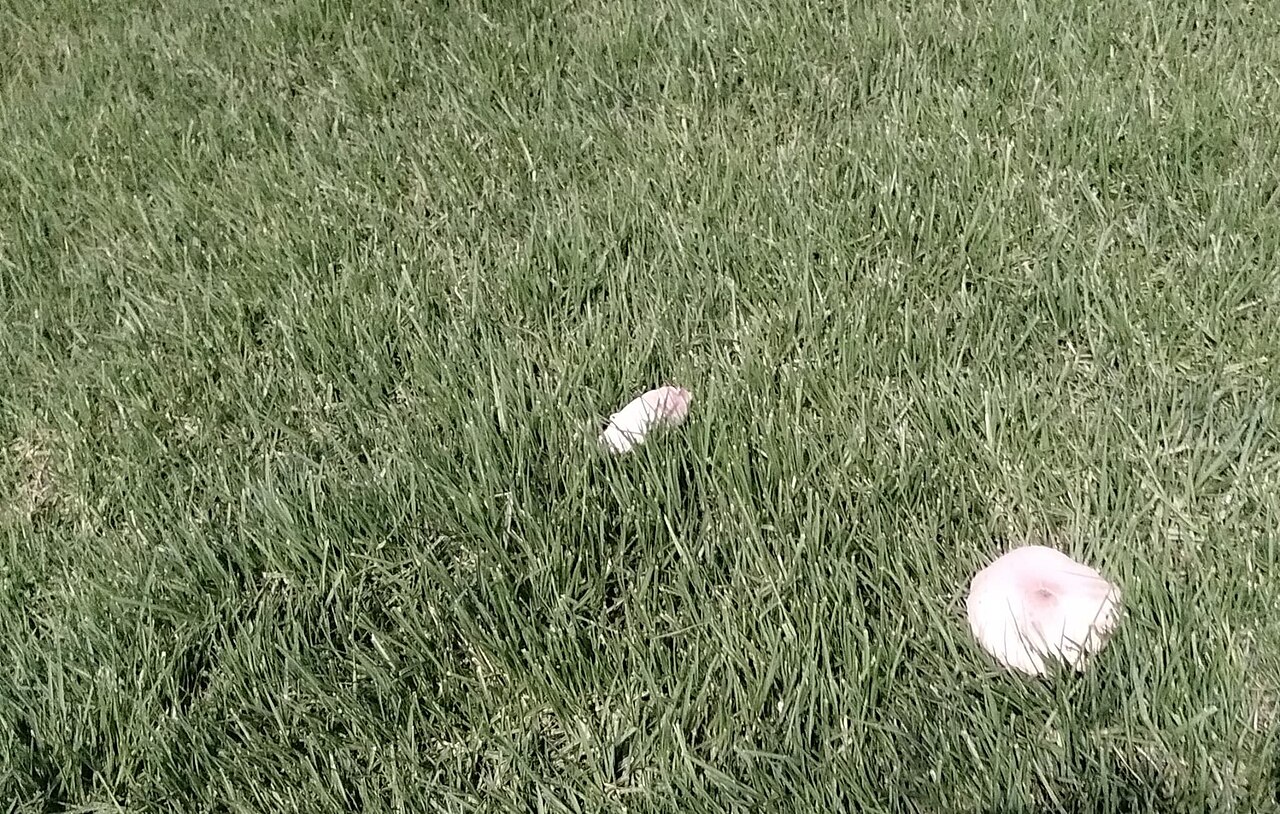
Mushrooms are the fruiting bodies of fungi that live in soil, mulch, leaf litter and decaying wood. They appear when the ground stays moist and temperatures are mild, which is why autumn and winter bring the biggest flush across much of southern and eastern Australia. They can also pop up after rain in any season, especially in shaded, well-watered gardens. Look for them on lawns, in garden beds, under trees, around old stumps and in bark mulch, as well as in parks, ovals and bushland.
Health authorities in Victoria, New South Wales and the ACT regularly warn about wild mushrooms during the cooler, wetter months because this is when several toxic species are most likely to fruit.
Which mushrooms are dangerous to pets?
Australia is home to thousands of fungi and only a minority are seriously toxic, but those few can cause severe illness or death. A few worth knowing about:
- Death cap (Amanita phalloides). The most dangerous mushroom in Australia, responsible for most fatal mushroom poisonings in people and animals. It grows under established oak trees and has been found in Canberra, Melbourne and other cooler areas. According to Better Health Channel Victoria, the cap is 40 to 160 mm across, pale yellow to green to olive brown, with white gills and a cup-like sac at the base of the stem. Even a small amount can be life-threatening, and cooking does not make it safe.
- Deadly skullcap (Galerina marginata). A small, plain brown mushroom that grows on rotting wood in wet, mossy spots. The Animal Poisons Helpline warns it contains the same liver-destroying toxins as the death cap.
- Yellow-staining mushroom (Agaricus xanthodermus). Common in lawns and gardens, often in clusters or fairy rings. It looks a lot like a supermarket mushroom but stains yellow when bruised and has a chemical smell. It causes vomiting, diarrhoea and stomach cramps, usually within half an hour to two hours.
The honest truth is that safe and toxic mushrooms can look almost identical, and some of the deadliest are plain and unremarkable. Accurate identification takes real expertise, so do not rely on apps or photos to decide a mushroom is safe. The practical rule for pet owners is to treat every wild mushroom as potentially harmful.
Dogs vs cats: who is most at risk?
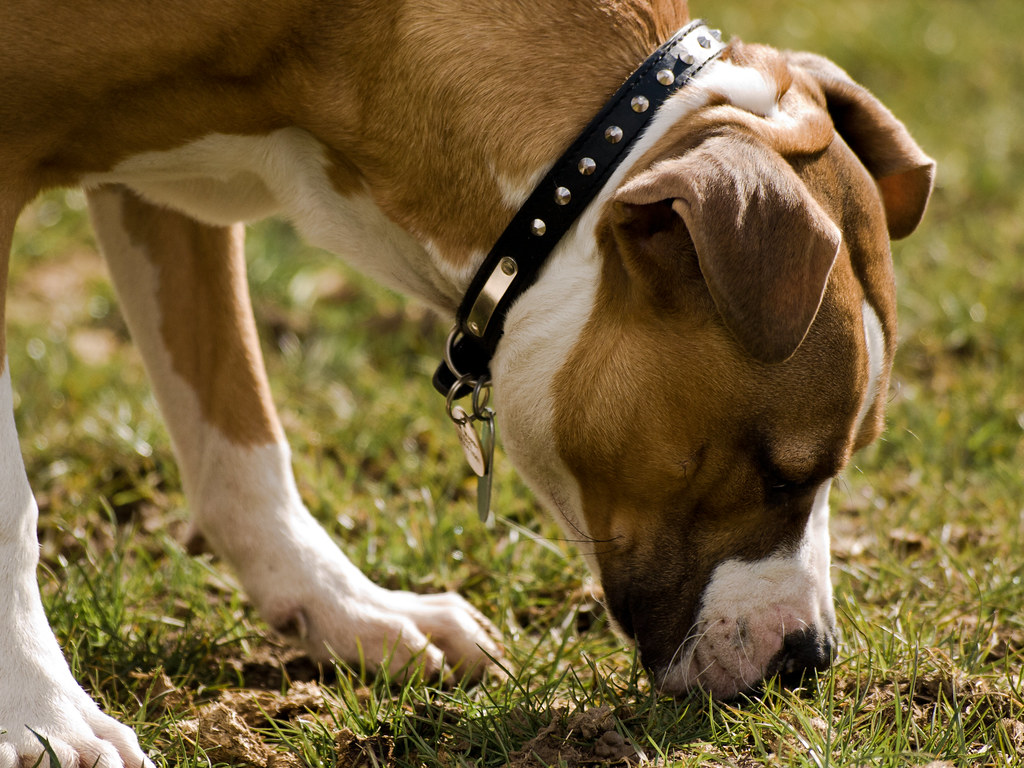
Dogs are far more likely than cats to eat mushrooms. They are enthusiastic, indiscriminate scavengers, and a mushroom at nose height is an easy target during a backyard sniff-about. Puppies, young dogs and known scavengers are the biggest worry. Cats are usually more selective eaters, but curious kittens and cats that chew on plants can still be affected, so the same precautions apply.
Signs your dog or cat may have eaten a toxic mushroom
Symptoms depend on the type of mushroom and how much was eaten. Some cause signs within 15 minutes to a few hours, while the most dangerous toxins may not cause obvious symptoms for 6 to 24 hours or longer. Watch for:
- Vomiting or retching
- Diarrhoea, sometimes with blood
- Drooling, nausea or loss of appetite
- Lethargy, weakness or unusual sleepiness
- Wobbliness or unsteady walking
- Tremors, twitching or seizures
- Yellowing of the gums, skin or whites of the eyes (jaundice), a sign of liver damage
The “false recovery” trap
Death caps and other mushrooms with the same toxins often cause a bout of vomiting and diarrhoea that seems to settle, while serious liver and kidney damage continues in the background. A pet can look better for a day before becoming critically ill. That is exactly why you should never “wait and see” if you know or suspect your pet has eaten a wild mushroom.
What to do if your pet eats a wild mushroom
- Remove your pet from the area and take any remaining pieces out of their mouth, so no other pets or children can eat them either.
- Call for advice straight away. Phone your vet, your nearest emergency animal hospital, or the Animal Poisons Helpline on 1300 869 738 (consultation fees apply). The helpline’s mushroom warning advises calling even if your pet seems completely well, because signs can be delayed by hours or even days.
- Do not make your pet vomit unless a vet tells you to.
- Collect a sample if you can do it safely. Wear gloves and take the whole mushroom, including the base, wrapped in a paper bag or damp paper towel rather than plastic. Clear photos of the cap, gills, stem and base, and of where it was growing, also help.
- Note the time your pet ate it and any symptoms you have seen, and tell the vet team.
There is no simple antidote for the most dangerous mushroom toxins. Treatment focuses on stopping the toxins being absorbed, supporting the liver and kidneys, and managing complications, so the earlier your pet is seen the better the chance of a good outcome.
How to mushroom-proof your backyard
Prevention is far easier than treatment. A few simple habits make a big difference, especially through autumn and winter:
- Do a daily sweep after rain. Walk the yard each morning and remove any mushrooms, roots and all. Wear gloves and put them in a sealed bag in the rubbish bin, not the compost.
- Supervise toilet breaks, particularly first thing in the morning and for puppies and scavengers.
- Tidy up fungus hotspots. Clear damp leaf litter, rotting timber and old stumps, and keep an eye on bark mulch. Our guide to mouldy mulch and compost hazards covers related risks.
- Improve drainage where you can, rake up grass clippings and avoid overwatering shady areas.
- Check under oak trees in your yard or local park, since death caps grow in association with them.
- Teach “leave it” and “drop it”. A reliable cue lets you interrupt scavenging before anything is swallowed. Our recall training guide uses the same reward-based approach.
- Stay alert on walks through parks, ovals and bushland, and keep scavenging dogs on lead in mushroom-heavy areas.
Mushrooms are one of several garden hazards that come and go with the seasons. Our guides to fertiliser and bulb poisoning and rat bait poisoning cover others worth knowing.
Frequently asked questions
Are all backyard mushrooms poisonous to dogs and cats?
No, many are harmless. The trouble is that safe and dangerous species can look nearly identical, so it is not worth guessing. The safest approach is to remove any mushroom that appears in your yard and treat any eaten mushroom as potentially toxic.
How much mushroom does it take to harm a pet?
It varies enormously by species and the size of the animal. With the most toxic mushrooms, such as the death cap, even a small amount can cause life-threatening poisoning.
My dog ate a mushroom but seems fine. Should I still call?
Yes. Some mushroom toxins take many hours to cause visible signs, and by then a pet can already be very unwell. Ring your vet or the Animal Poisons Helpline on 1300 869 738 even if your pet looks normal.
Can store-bought mushrooms hurt my dog?
Plain cooked culinary mushrooms such as button or Swiss brown are generally not toxic to dogs. Mushrooms cooked with onion, garlic, butter or rich sauces can cause problems, though, so it is best not to share.
Do mushrooms only appear in winter?
No. They can appear whenever conditions are cool and damp, but autumn and winter usually bring the biggest flush, especially after several rainy days.
Key takeaways
- Wet weather, especially in autumn and winter, can trigger sudden mushroom growth in Australian lawns and gardens.
- You cannot reliably tell a toxic mushroom from a safe one by sight, so treat them all as a risk.
- Death caps grow under oak trees and are deadly in small amounts. Dogs are most at risk.
- Symptoms can be delayed and may seem to improve before getting worse, so never wait and see.
- Call your vet or the Animal Poisons Helpline on 1300 869 738 straight away, and bring a sample or photos if you can.
- A daily yard check after rain and a solid “leave it” cue are your best prevention.
This article is general information for Australian dog and cat owners and is not a substitute for advice from a registered veterinarian. If you think your pet has eaten a wild mushroom, contact your vet or an emergency animal hospital immediately.