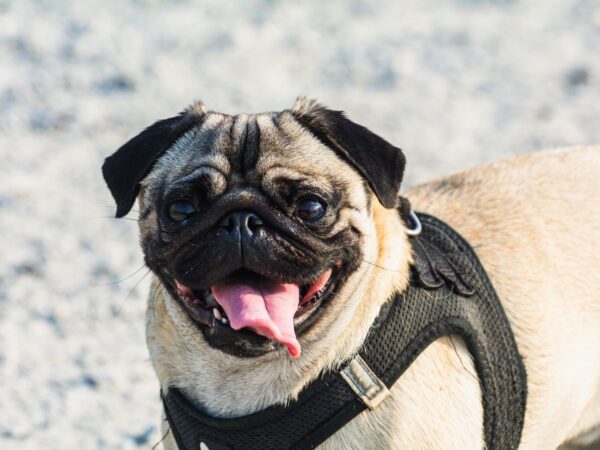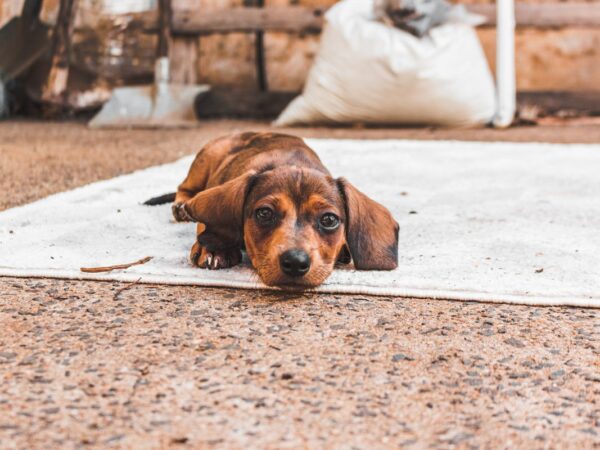
Most pet poisons give you some warning. Antifreeze often does not. A dog or cat can lap a small puddle of engine coolant off the garage floor, seem perfectly happy for the rest of the day, and be heading into life-threatening kidney failure before anyone notices. The reason it is so dangerous is simple: traditional antifreeze tastes sweet, so pets are drawn to it rather than put off. This guide covers why such a small amount is deadly, where pets come across it, the warning signs, what to do straight away, and how to keep it out of reach.
What makes antifreeze so dangerous
Most traditional antifreeze and engine coolant contains ethylene glycol. On its own, ethylene glycol is only mildly harmful, but once swallowed it is quickly absorbed and the liver breaks it down into toxic compounds. These damage the kidneys, partly by forming crystals inside them, and pets that reach full kidney failure have a very poor outlook.
The amounts involved are small. According to the Merck Veterinary Manual, as little as 3 to 4 teaspoons can be fatal to a dog, and only 1 to 2 teaspoons to a cat. Smaller dogs are at greater risk than large ones, since the dangerous dose depends on body weight.
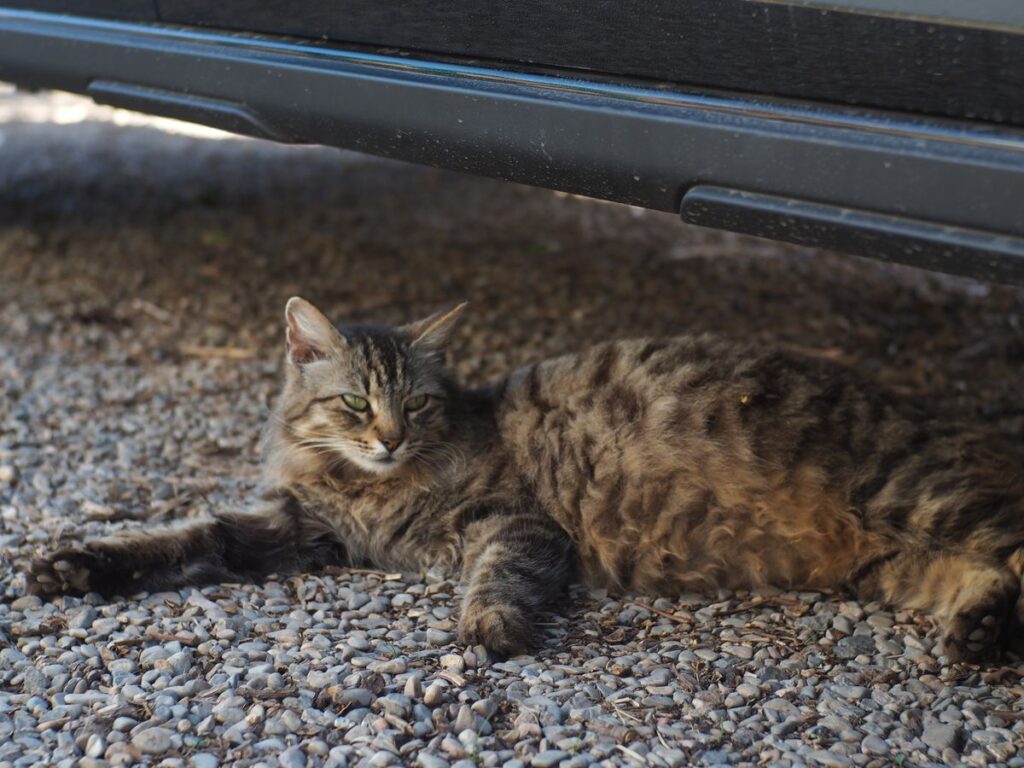
Cats are especially vulnerable. They do not even need to drink from a puddle. A cat that walks through a spill and later grooms the coolant off its paws and fur can swallow a dangerous dose.
The one piece of good news is that, unlike many poisons, there is an antidote. The catch is timing: it only works well if treatment starts before the kidneys are damaged, which usually means within the first few hours.
Where pets come across it
You do not need a mechanic’s workshop at home for antifreeze to be a risk. Common sources around Australian homes include:
- Leaks and drips from radiators, hoses and coolant reservoirs onto driveways, carports and garage floors
- Spills while topping up a radiator, and open containers left out during weekend car jobs
- Old coolant tipped onto the ground or down a drain after a radiator flush
- Some brake and transmission fluids, which can also contain ethylene glycol
- Toilets and plumbing in caravans, motorhomes and holiday homes that have been winterised with antifreeze
- Less obvious items such as the weighted bases of some portable basketball hoops, and some snow globes, paints and inks
Because pets often pick it up on paws or fur and then groom, a spill you think is out of reach can still end up being swallowed.
Why winter brings more cases
Antifreeze is a risk all year, and in Australia’s hotter months coolant also gets topped up before long summer road trips. Winter is when many owners are most likely to be caught out, though. Cars work harder on cold mornings, radiators get topped up in the garage where pets wander, and more weekend maintenance happens with containers left open. Leaking radiators drip onto driveways where dogs sniff and cats walk. Cats also seek warmth around cars in cold weather, which brings them close to leaks; see our guide to checking your bonnet for cats in winter.
Warning signs and the dangerous middle stage
Antifreeze poisoning tends to move through stages, and the middle stage is where many owners are caught out. The Merck Veterinary Manual describes this pattern:
Early stage (about 30 minutes to 12 hours). Pets often look “drunk”: wobbly, stumbling and disoriented. You may also see:
- Vomiting and drooling
- Drinking and weeing much more than usual
- Depression, weakness and poor coordination
- Rapid breathing or a racing heart
The deceptive lull (around 12 to 24 hours). The drunken signs may fade and your pet may look like they are on the mend. They are not. Serious damage is building inside, and this false recovery is exactly why the poisoning is so easy to underestimate.
Kidney failure. Kidney damage develops within about 12 to 24 hours in cats and 36 to 72 hours in dogs. Pets become flat and lethargic, stop eating, vomit, may produce little or no urine, and can develop mouth ulcers, seizures and collapse. By this stage the outlook is poor.
If you see any of these signs, or you suspect your pet had access to coolant, do not wait to see how things go.
What to do if you suspect antifreeze poisoning
Treat any possible exposure as an emergency, even if your pet seems completely fine.
- Call your vet or the nearest 24-hour emergency animal hospital straight away and tell them you suspect antifreeze.
- Phone the Animal Poisons Helpline on 1300 869 738 if you need advice. It is a 24/7 service (consultation fees apply) for Australian and New Zealand pet owners, staffed by poisons specialists.
- Take the product container or label with you if you can find it, or note the brand.
- Do not try home remedies or make your pet vomit unless a vet tells you to. There is no safe DIY fix.
- Move fast. Decontamination is most useful within 1 to 2 hours, and the antidote works best early. In cats the window is especially tight: in studies cited in the Merck Veterinary Manual professional edition, cats survived when treatment with the antidote started within about 3 hours of drinking ethylene glycol.
How vets treat it
Vets confirm exposure using the history, signs and blood or urine tests. Treatment aims to stop the body turning ethylene glycol into its toxic breakdown products. The antidote, fomepizole, or ethanol when fomepizole is not available, blocks the liver enzyme responsible, so the unchanged ethylene glycol can pass out in the urine. Pets usually also need intravenous fluids, hospital monitoring and support for the kidneys. Once kidney failure has set in, the outlook is much poorer, and some pets need specialist care such as dialysis. That is why speed matters more than anything else.
How to protect your pet
- Store antifreeze and coolant in sealed containers, up high and out of reach.
- Clean up spills and leaks immediately. Soak them up with an absorbent material such as kitty litter or sand, dispose of it safely, then hose the area down well.
- Get leaking radiators and hoses fixed rather than living with a slow drip.
- Keep pets out of the garage, shed and carport while you handle car fluids.
- Dispose of old coolant through your council’s household chemical collection or a service centre, never down a drain or onto the driveway.
- Consider a coolant based on propylene glycol. Merck notes it is less toxic than ethylene glycol and lacks the sweet taste, so pets may be less attracted to it. Less toxic is not harmless, so store and clean it up just as carefully.
- If you take a caravan or holiday home out of storage, check whether the plumbing was winterised before letting pets drink from toilets or sinks.
Car fluids sit alongside other common household poisons. It is worth knowing about rat bait poisoning, toxic backyard mushrooms and, for cat owners, why lilies can also cause kidney failure.
Frequently asked questions
How much antifreeze is dangerous to a dog or cat?
Very little. The Merck Veterinary Manual puts the fatal amount at as little as 3 to 4 teaspoons for a dog and 1 to 2 teaspoons for a cat. Because the dangerous dose depends on your pet’s size and how quickly they are treated, treat any suspected exposure as an emergency.
How quickly do symptoms appear?
Early “drunk” signs, vomiting and increased thirst can show within 30 minutes to 12 hours. They may then seem to ease before kidney failure develops, within 12 to 24 hours in cats and 36 to 72 hours in dogs. Do not wait for later signs to act.
Can a pet survive antifreeze poisoning?
Yes, if treatment starts early. Vets have an antidote, but it works best within the first few hours, before the kidneys are badly damaged. Pets that already have kidney failure have a much poorer outlook.
Is “pet-safe” antifreeze actually safe?
Propylene glycol coolants are much less toxic than ethylene glycol products and do not taste sweet, but they are not completely harmless. Store them securely and clean up spills just as you would any other car chemical.
Can my cat be poisoned without drinking it?
Yes. Cats can swallow a dangerous amount by grooming coolant off their paws or fur after walking through a spill. If your cat has been near a leak and has wet or sticky paws, call your vet.
What number do I call in Australia?
Call your regular or emergency vet first. The Animal Poisons Helpline on 1300 869 738 is a 24/7 service (consultation fees apply) that can tell you how urgently your pet needs to be seen.
Key takeaways
- Antifreeze and coolant containing ethylene glycol taste sweet and are deadly in tiny amounts, as little as 1 to 2 teaspoons for a cat.
- Cats can be poisoned just by grooming coolant off their paws and fur.
- Watch for a “drunk” stage, then a deceptive lull, then kidney failure. Do not be fooled by the middle stage.
- There is an antidote, but it works best within the first few hours, so contact a vet immediately on any suspicion.
- Fix leaks, clean spills straight away, store coolant securely, and consider a propylene glycol product.
This article is general information for Australian pet owners and is not a substitute for advice from a registered veterinarian. If you think your pet has been exposed to antifreeze, contact your vet or an emergency animal hospital immediately.