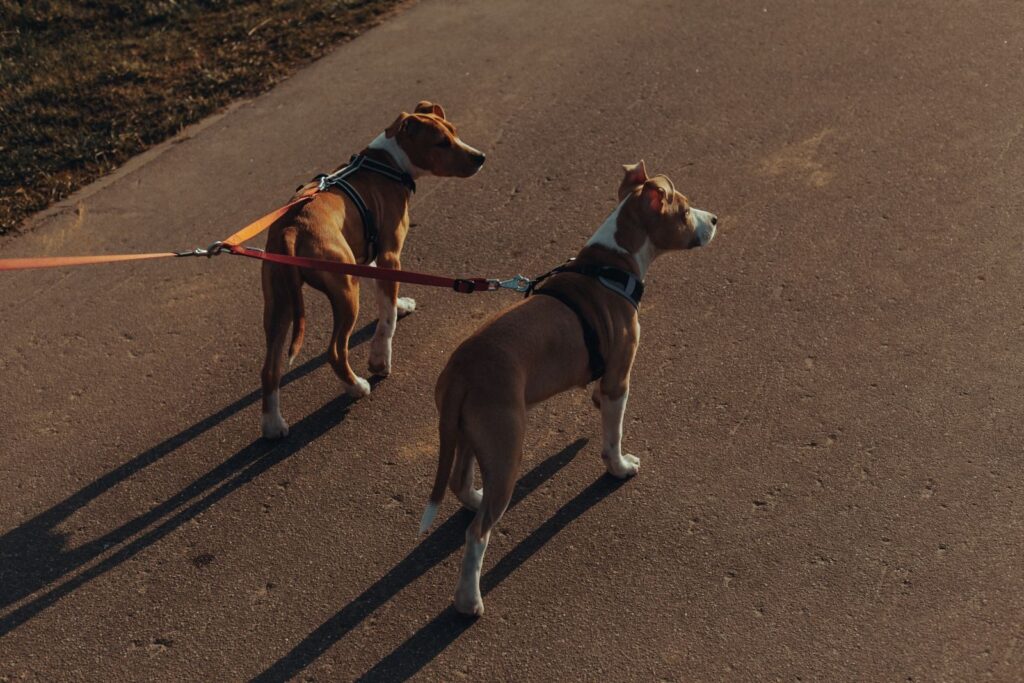
On a sunny Australian day, footpaths, roads, sand and even artificial turf can get hot enough to burn your dog’s paw pads, sometimes well before the air feels uncomfortably hot to you. The simplest protection is a quick check before you head out: press the back of your hand onto the ground for seven seconds. If you cannot comfortably hold it there, it is too hot for your dog’s feet. Walk early in the morning or later in the evening, stick to shade and grass, and learn the signs of a paw burn so you can act fast.
With October bringing the first properly warm days of spring and summer on the way, now is a good time to build these habits before the real heat arrives.
Why paw pads burn
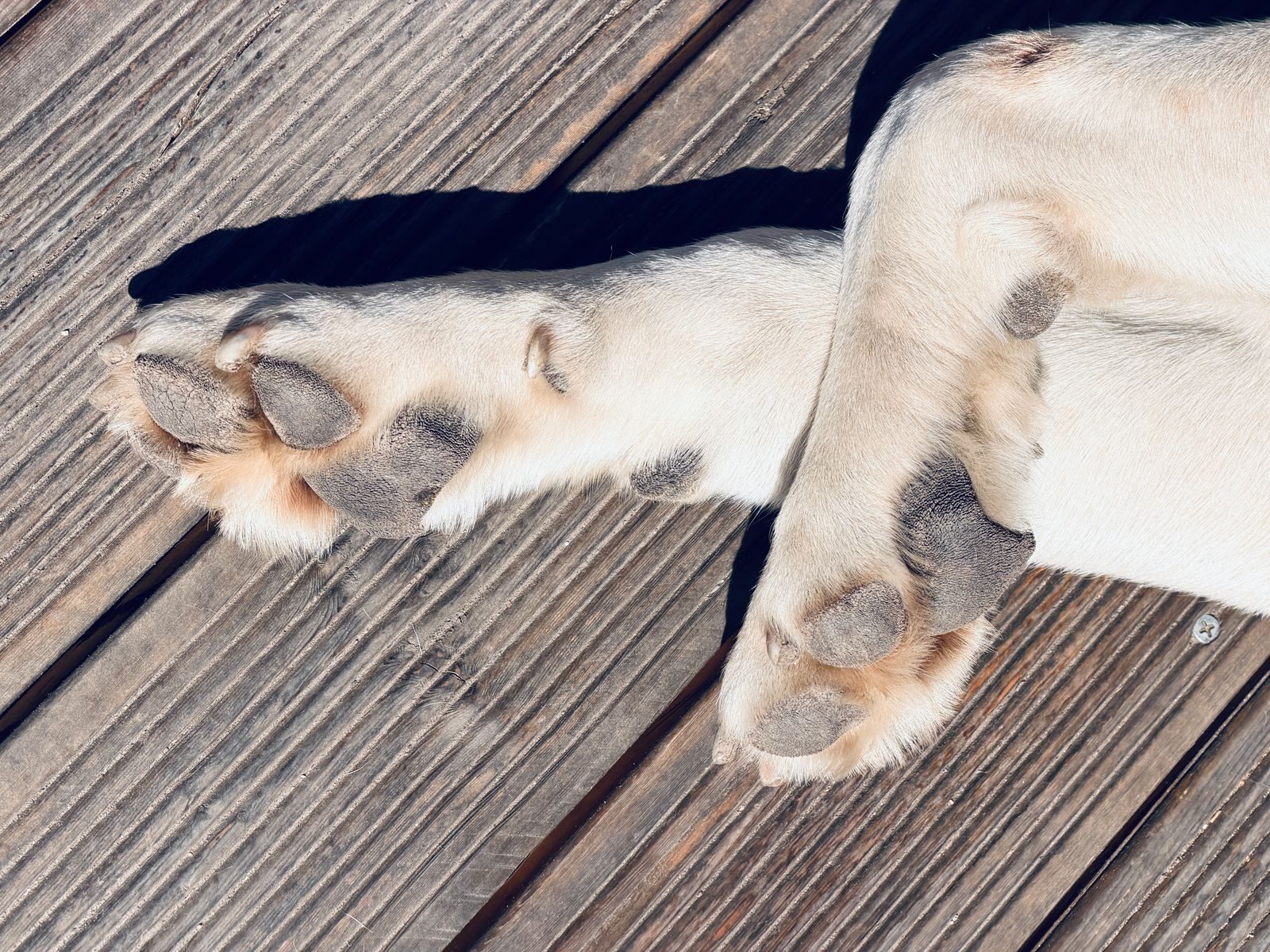
Dog paw pads are tough, but they are living skin. They are built for grip and cushioning, not for standing on a surface that has been baking in the sun all day. Dark, dense materials such as asphalt soak up heat and hold it long after the sun has dropped, so a footpath can still be hot in the early evening even when the air has cooled.
The ASPCA warns owners not to let dogs linger on hot asphalt, because sensitive paw pads can burn and dogs, being close to the ground, heat up quickly. RSPCA Australia adds that ground temperatures can be unsafe not just on concrete and asphalt but even on bare ground and grass, and that hot ground adds to a dog’s overall heat load. That is why hot pavement is a heatstroke risk as well as a burn risk. See our guide to heatstroke in dogs and cats for the warning signs.
The 7-second hand test
This is the easiest way to check the ground before a walk:
- Find the surface your dog will actually walk on, in direct sun.
- Place the back of your hand flat on it.
- Hold it there for seven seconds.
- If it is too hot to keep your hand there comfortably, it is too hot for your dog’s paws.
Some organisations use a shorter count. RSPCA NSW, for example, advises that if you cannot hold your hand against the ground for at least five seconds, it is too hot to walk on. Either way, the message is the same: if it hurts your hand, it will hurt their feet. Do the test on every surface along your route, not just your driveway, because a shaded path can be fine while the car park next to it is scorching.
Which surfaces get hottest?
Not every surface heats up the same way. As a general guide, from riskiest to safest:
| Surface | Risk on a sunny day | Why |
|---|---|---|
| Asphalt and bitumen (roads, car parks, some footpaths) | Very high | Dark colour absorbs heat and holds it into the evening. |
| Metal (ute trays, trailer floors, manhole covers, boat decks, metal stairs) | Very high | Heats quickly in direct sun and can burn on contact. Ute trays need a protective mat and shade. |
| Artificial turf | High | Synthetic fibres and rubber infill can get surprisingly hot, far hotter than real grass. |
| Dry beach sand | High | Loose, dry sand in full sun gets very hot. Wet sand near the water is usually cooler. |
| Concrete and pavers | Moderate to high | Lighter colours reflect some heat, but they still get hot in full sun. |
| Timber decking and boardwalks | Moderate | Darker or stained timber can get hot. Check before letting your dog lie on it. |
| Shaded natural grass and damp earth | Lowest | Usually the coolest option, though RSPCA notes even grass and bare ground can be unsafe in extreme heat. |
RSPCA NSW also points out that paw pads can burn on hot surfaces such as cement and sand, so a trip to the beach needs as much planning as a walk around the block.
When to walk your dog in hot weather
- Early morning is best. Surfaces have had all night to cool down.
- Late evening is next best, but check the ground first. Asphalt can stay hot for hours after sunset.
- Avoid the middle of the day, roughly late morning through mid-afternoon, when the sun is strongest.
- Swap the route. Choose shaded parks, grass verges and bush tracks over long stretches of road and footpath.
- Shorten or skip walks on very hot days. A day of indoor games, sniffing activities and a cool spot on the tiles will not harm your dog. A burnt paw or heatstroke will.
Flat-faced breeds, puppies, senior dogs, overweight dogs and dogs with heart or breathing problems need extra care, as they overheat more easily. Remember the sun can also burn light-coloured noses and bellies; our sun-safety guide for pets covers that side of summer.
Do dog booties help?
Booties can be useful if you must cross hot surfaces, such as in the city or on a long road walk. A few tips:
- Choose a breathable design with a flexible, heat-resistant sole and a secure but not tight strap.
- Measure your dog’s paws (standing, with weight on them) and follow the brand’s size chart.
- Introduce them gradually indoors, with treats, before using them on a walk. Most dogs walk oddly at first.
- Check for rubbing or blisters after each outing.
- Dogs cool themselves partly through their paw pads, so do not leave booties on for long periods in hot weather.
Paw balms and waxes can help keep pads in good condition, but they will not stop a burn on very hot ground. Booties and good timing are your real protection.

Signs of burnt paw pads
Dogs often keep walking even when their feet hurt, so watch for:
- Limping, hopping or refusing to walk
- Seeking out grass or shade, or lifting paws one after another
- Licking or chewing at the feet after a walk
- Pads that look darker, red, shiny or discoloured
- Blisters, peeling skin or flaps of pad tissue
- Raw, weeping or ulcerated areas
Paw licking can have many causes, including allergies and grass seeds, so if your dog is suddenly fussing with a foot after a summer walk, have a close look between the toes too.
First aid for a paw burn
- Get off the hot surface straight away. Carry a small dog if you can.
- Cool the paw with cool (not icy) running water or a cool, wet cloth for several minutes. Do not use ice, which can damage the tissue further.
- Keep your dog calm and still, and offer water to drink.
- Gently pat the paw dry with a clean cloth.
- Do not apply human creams, butter, oils or ointments unless your vet tells you to.
- Stop your dog licking the area. A clean sock loosely secured, or a cone, can help until you see the vet.
- Call your vet for advice, even if the burn looks mild.
When to see a vet
VCA Animal Hospitals explains that burns range from superficial (redness and pain) to partial-thickness (swelling and blistering, taking two weeks or more to heal) and full-thickness (damage through all skin layers). VCA notes that the full extent of a burn may not be obvious at first, as damaged skin can take time to die off. Partial and full-thickness burns need veterinary care.
See a vet promptly if you notice:
- Blisters, peeling or missing pad tissue
- Raw, bleeding or weeping areas
- Your dog will not put weight on the foot
- More than one paw is affected
- Swelling, discharge or a bad smell in the days after (signs of infection)
- Any sign of heatstroke, such as heavy panting, drooling, weakness, vomiting or collapse. This is an emergency.
Your vet may clean and dress the paw, prescribe pain relief and, if needed, antibiotics. Paw bandages usually need regular changes, and your dog will need rest from walks while the pads heal.
Frequently asked questions
At what temperature is pavement too hot for dogs?
There is no single safe air temperature, because sun, surface colour, wind and time of day all change how hot the ground gets. Asphalt in full sun can be far hotter than the air. Rather than relying on the forecast, do the hand test on the actual surface every time.
Can dogs get burnt paws on a mild spring day?
Yes, especially on dark asphalt, metal or artificial turf in direct sun. Spring sun can be strong, and dogs whose pads have softened over winter may be more sensitive. Our guide to winter paw care explains how winter walking affects pads.
Is beach sand safe for dogs in summer?
Dry sand in full sun can get hot enough to hurt. Go early or late, walk on firm, wet sand near the water, bring shade and fresh water, and check your local council’s rules on dog-friendly beaches.
How long do burnt paw pads take to heal?
Mild superficial burns may settle within days. Deeper burns can take weeks and need veterinary treatment, bandaging and rest. Follow your vet’s plan and do not rush back to long walks.
Can I put sunscreen or Vaseline on my dog’s paws?
No. Neither protects pads from hot ground, and dogs will lick them off. Only use products made for dogs, and remember they do not replace good timing and booties.
Key takeaways
- Use the hand test: if you cannot hold the back of your hand on the ground for seven seconds, it is too hot for paws.
- Asphalt, metal, artificial turf and dry sand are the riskiest surfaces in the sun.
- Walk early in the morning or later in the evening, and choose shaded, grassy routes.
- Booties help on unavoidable hot surfaces but need a gradual introduction.
- For a burn, move off the hot surface, cool the paw with cool water (not ice) and call your vet.
- Blisters, raw pads, limping or any sign of heatstroke need prompt veterinary care.
Sources
- RSPCA Australia Knowledgebase: How can I protect my dog from heatstroke?
- RSPCA NSW: Keeping Pets Safe in the Heat
- RSPCA NSW: Be a mate to our furry friends in the heat
- ASPCA: Hot Weather Safety Tips
- VCA Animal Hospitals: Burns in Dogs
This article is general information for pet owners and is not a substitute for advice from a registered veterinarian. If your dog has burnt paws or shows any signs of heat stress, contact your vet or an emergency clinic straight away.