
Why Winter Means More Hairballs
As the cold settles in across Australia, plenty of cat owners notice a familiar sound around 3am: that deep, hacking retch that ends in a damp clump on the floorboards. Many owners notice more hairballs in the cooler months, and there are a few likely reasons. Cats spend more time curled up indoors with plenty of time to groom, and the Cornell Feline Health Center notes that hairballs are more frequent in the seasons when cats shed their coats. More grooming of loose fur means more swallowed fur.
A hairball, your vet will call it a trichobezoar, is simply a wad of swallowed hair that has clumped together in the stomach instead of passing through the gut. The tiny backward-facing barbs on a cat’s tongue catch loose hair during grooming, and because hair is mostly keratin, it can’t be digested. Most of it moves through and ends up in the litter tray. Some collects, and eventually your cat brings it back up.
What’s Normal, and What Isn’t
Here’s the reassuring part: the occasional hairball is completely normal. According to the Cornell Feline Health Center, it’s not uncommon for a cat to bring up a hairball once every week or two, and aside from the mess, that alone is usually nothing to worry about.
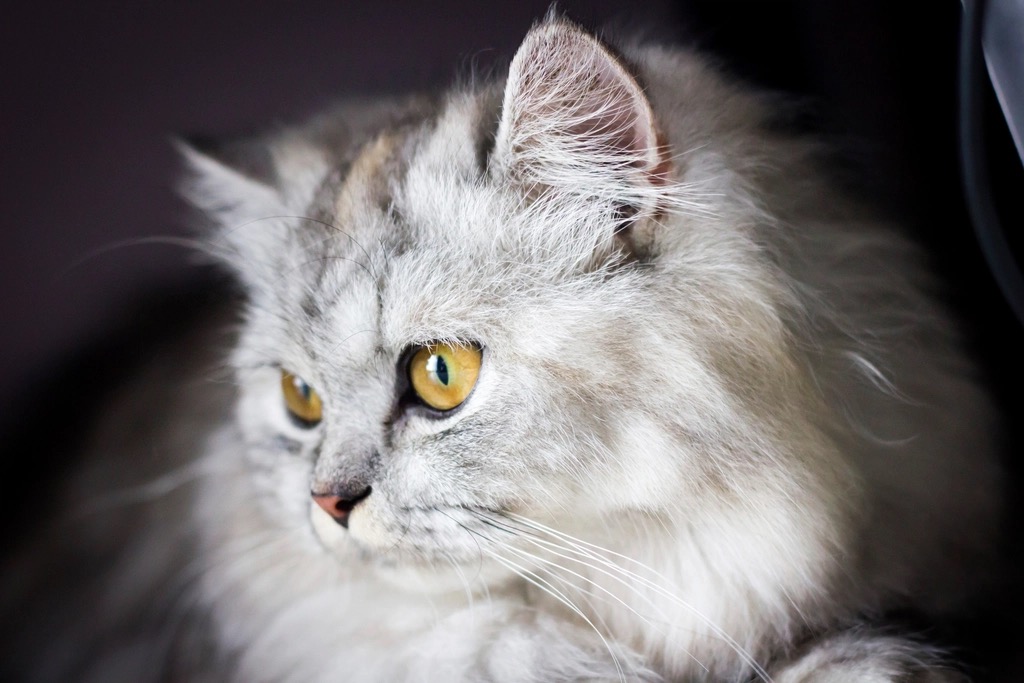
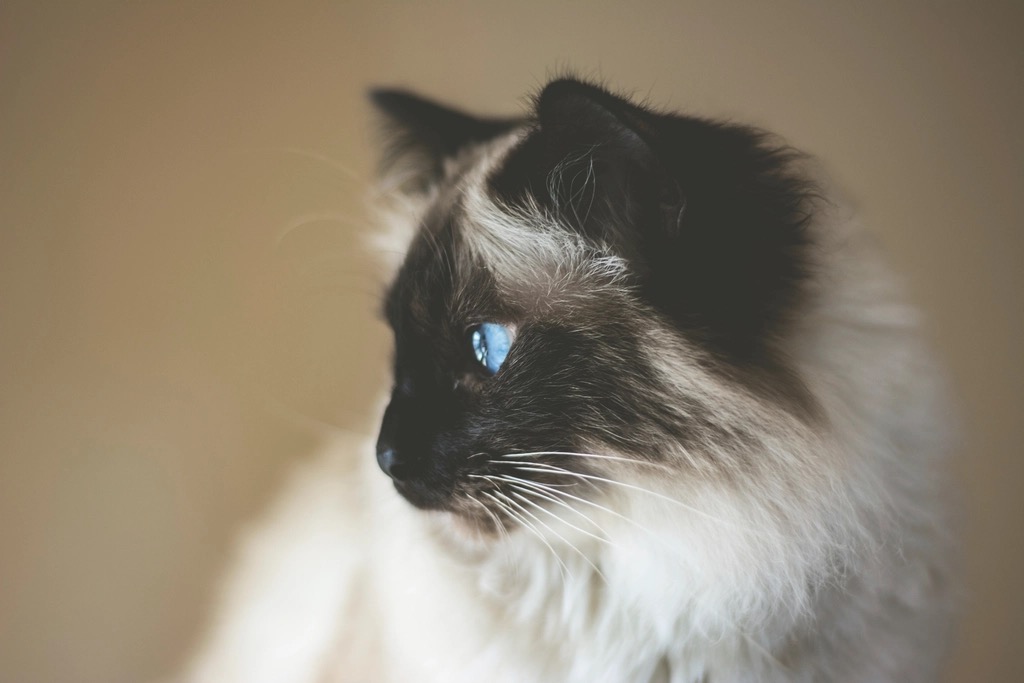
The picture changes when hairballs become frequent or your cat looks unwell. It’s worth a check-up if your cat is producing hairballs more often than that, if the frequency climbs without an obvious reason, or if there is a lot of hacking with little to show for it, since frequent hacking can be a sign of another gut or respiratory problem. Long-haired breeds such as Persians and Maine Coons may be at greater risk of hairballs than short-haired cats, so they can benefit from a little extra help.
When a Hairball Becomes an Emergency
On rare occasions, a hairball grows too large to pass and blocks the stomach or intestines. This is a genuine emergency. Contact your vet straight away if you notice any of the following:
- Repeated retching or gagging that never brings up a hairball
- Vomiting that won’t stop, or being unable to keep food or water down
- Loss of appetite for more than a day or so
- Lethargy, hiding, or a hunched, painful-looking posture
- Constipation or straining in the litter tray with no result
These same signs can point to other health problems, so it’s not something to diagnose at home. Consult a licensed veterinarian for diagnosis or treatment specific to your pet.
Hairball or Something Else? The Cough Confusion
One of the most common mix-ups is telling a hairball apart from a cough. A cat working up a hairball usually crouches, extends its neck and makes a wet, rhythmic hacking sound before producing the hairball. A cat with feline asthma often crouches with the head and neck extended while coughing or wheezing, and nothing comes up. That kind of cough can worsen at night or after activity. If your cat seems to be “coughing up hairballs” but never actually produces one, film a short video on your phone and show your vet. It may be a respiratory issue that needs completely different treatment. It’s also worth ruling out other winter culprits, such as cat flu.
Practical Ways to Cut Down Hairballs
You can’t stop a cat grooming, but you can reduce how much loose fur ends up in its stomach:
- Brush regularly: daily for long-haired cats and a few times a week for short-haired ones, especially during the winter coat change
- Keep fresh water available at all times; good hydration helps hair move through the gut, and many cats drink more from a wide bowl or a pet fountain
- Ask your vet about a fibre-rich hairball-control diet, which is designed to carry swallowed hair through the system rather than back up
- Watch for over-grooming, as excessive licking can signal allergies, parasites, pain or stress worth investigating
It also helps to keep indoor cats busy over winter, since a bored cat may over-groom out of habit: a bit of daily indoor enrichment goes a long way. And avoid reaching for petroleum-based hairball gels or laxatives without veterinary advice. The Cornell Feline Health Center advises never giving a cat a laxative without a vet’s approval and supervision, and applies the same advice to commercial diets that claim to prevent or relieve a hairball blockage.
Frequently Asked Questions
How often is it normal for a cat to have a hairball?
Bringing one up about once every week or two is not uncommon. Anything more frequent, a sudden increase, or lots of hacking without a hairball is worth raising with your vet.
Why does my cat get more hairballs in winter?
Cats spend more time indoors grooming, and hairballs are more common in the seasons when cats shed, so some cats swallow more loose fur at certain times of year.
Can hairballs actually be dangerous?
Occasionally, yes. A hairball large enough to block the gut is a medical emergency. Repeated unproductive retching, ongoing vomiting, appetite loss or lethargy all warrant an urgent vet visit.
Do long-haired cats need special care?
Generally yes. Breeds like Persians, Ragdolls and Maine Coons benefit from daily brushing and, in some cases, a vet-recommended hairball diet to manage the extra fur they swallow.
Key Takeaways
- The odd hairball every week or two is not unusual; more frequent ones are worth a vet check
- Indoor grooming and seasonal shedding can mean more hairballs at certain times of year
- Repeated retching with nothing produced, ongoing vomiting or appetite loss means see a vet promptly
- A dry cough with nothing brought up may be asthma rather than a hairball: film it for your vet
- Regular brushing, good hydration and a vet-approved diet are the best prevention