
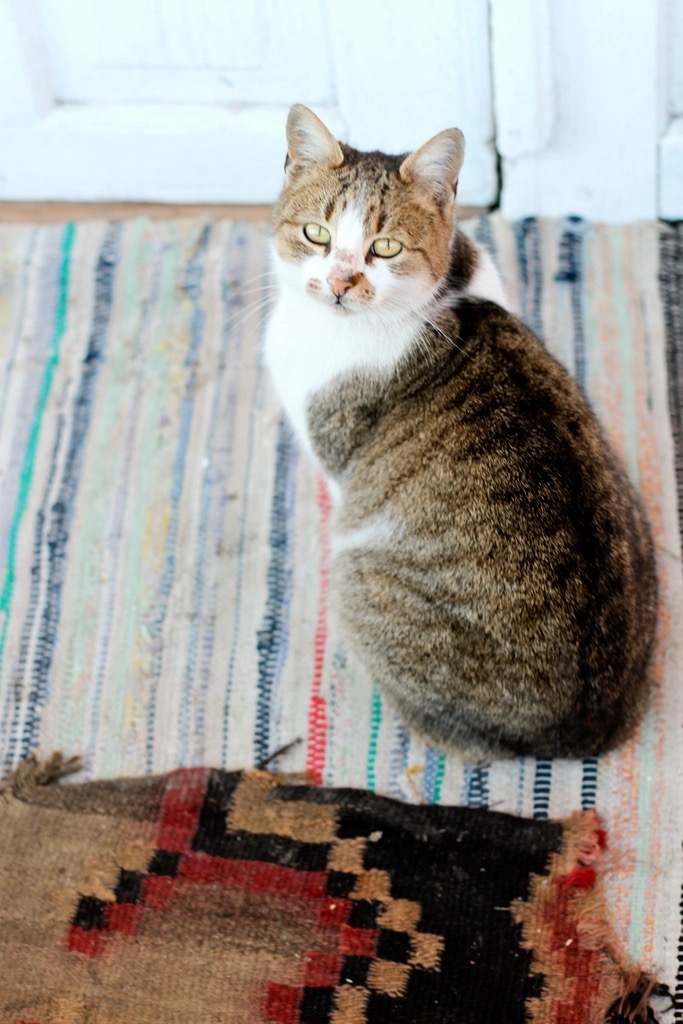
Your cat starts sneezing, their eyes look gluggy and weepy, and suddenly they are turning their nose up at dinner. There is a fair chance you are looking at cat flu, one of the most common illnesses in Australian cats and one of the most misunderstood. Most cats recover well with good home care and the right help from a vet. This guide covers what cat flu is, the signs to watch for, how to nurse a sick cat at home, when to call the vet, and how to stop it coming back.
What cat flu actually is
“Cat flu” is the everyday name for feline upper respiratory tract infection, a highly contagious disease of the nose, throat, eyes and mouth. Despite the name, it has nothing to do with human influenza. According to International Cat Care, two viruses cause more than 90% of cases:
- Feline herpesvirus (FHV-1), which tends to cause heavy sneezing, eye inflammation and, in some cats, eye ulcers.
- Feline calicivirus (FCV), which is more often linked to ulcers on the tongue and mouth, drooling and painful eating.
Bacteria such as Bordetella bronchiseptica, Chlamydia felis and Mycoplasma can also be involved, either on their own or piling on top of a viral infection. That is often why a clear runny nose turns thick and yellow-green.
Signs to watch for
Signs usually appear within a few days of exposure and range from a mild sniffle to a cat that is genuinely flat and unwell. The RSPCA Australia Knowledgebase lists these common symptoms:
- Sneezing and a runny or blocked nose
- Red, weepy, squinty or gunky eyes (conjunctivitis)
- Nasal or eye discharge that turns thick, yellow or green
- Ulcers on the mouth, tongue or eyes, with drooling or pawing at the face
- Fever, low energy, hiding away and less grooming
- Loss of appetite
- A hoarse or lost meow, and in some cats coughing or noisy breathing
Why “off their food” is the big red flag
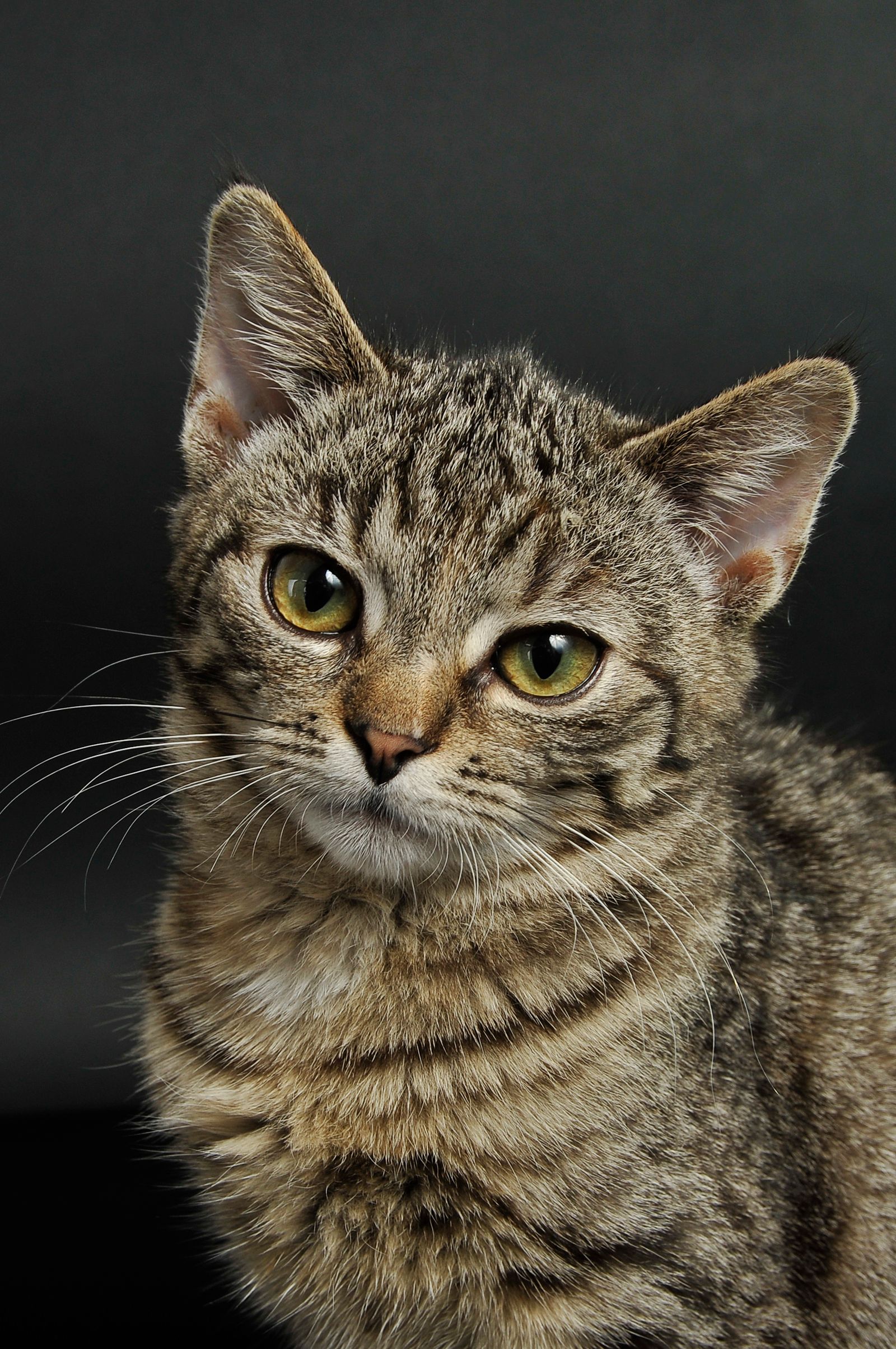
Cats rely heavily on smell to feel hungry. A blocked nose, combined with sore mouth ulcers, can lead a cat to refuse food altogether. That matters more than it sounds, because a cat that goes without food for even a day or two can become dehydrated and, in some cases, develop serious liver problems. If your cat stops eating, treat it as the point where home care is no longer enough.
How cat flu spreads
Cat flu passes directly between cats through saliva, tears and discharge from the eyes and nose, and indirectly through shared food bowls, bedding, litter trays and even your hands and clothes. International Cat Care notes that the viruses can survive on surfaces and objects for up to about 2 days (herpesvirus) and up to about 10 days (calicivirus), so cleaning genuinely helps stop it moving around a household.
The trickiest part is the carrier state. Almost all cats infected with herpesvirus remain long-term carriers. Many never shed much virus, but stress such as a cattery stay, a house move or a new pet can trigger a flare-up and renewed shedding. Most cats with calicivirus keep shedding for weeks or months, and the majority clear it within a few months. This is why an apparently healthy cat can still pass the infection on, and why multi-cat homes, shelters, breeders and boarding catteries are the classic hot spots.
Is cat flu worse in winter?
The viruses are around all year, and cold weather does not cause cat flu. Australian vets do tend to see more sneezing cats from June onwards, though, for reasons that have more to do with behaviour than temperature:
- More time indoors and closer together. Cats share bowls, bedding and air in multi-cat homes.
- Boarding and busy shelters. School holidays mean cattery stays, and winter adoption periods mean crowded shelters.
- Stress. Changes in routine can make carrier cats flare up, and stress also lowers a cat’s defences against new infection.
A calm, predictable routine through the cooler months helps more than most owners expect. Our guide to keeping a cat warm through an Aussie winter covers comfortable resting spots.
Caring for a cat with cat flu at home
There is no medicine that simply kills these viruses, so treatment centres on supportive care while your cat’s immune system does the work. Alongside your vet’s advice, these steps make a real difference:
- Keep the face clean. Gently wipe away eye and nose discharge with a soft cloth dampened with warm water.
- Ease congestion. Sit with your cat in a steamy bathroom for a few minutes, or run a humidifier nearby.
- Tempt the appetite. Offer warmed, strong-smelling food such as a favourite wet food or a little plain tinned fish. Warming food releases more aroma for a blocked nose.
- Keep them drinking. Put fresh water within easy reach and watch for signs of dehydration.
- Rest and warmth. Set up a quiet, draught-free bed away from household traffic.
- Isolate and clean. Keep a sick cat away from other cats for about two weeks, with their own bowls and litter tray. Wash bedding and bowls regularly and wash your hands after handling them.
One firm rule: never give human cold, flu or pain medicines. Many common painkillers and decongestants are toxic to cats. See our list of foods and substances toxic to cats before reaching into the cupboard.
What your vet may do
Your vet will examine your cat, rule out other causes of sneezing and discharge, and tailor treatment to how unwell your cat is. Depending on the case, that can include:
- Pain relief, especially for mouth ulcers that stop a cat eating
- Antibiotics if a secondary bacterial infection is suspected (they do not work on the viruses themselves)
- Eye medication for conjunctivitis or eye ulcers
- Fluids for dehydration
- Antiviral medication for some severe herpesvirus cases
- Hospital care and assisted feeding for cats that will not eat
When to call the vet straight away
Mild cases in otherwise healthy adult cats often settle within one to three weeks. Call your vet promptly if your cat:
- Has not eaten for more than 24 hours, or has stopped drinking
- Is breathing with effort or with an open mouth
- Is very lethargic, weak or dehydrated
- Has thick yellow or green discharge, painful mouth ulcers, or a squinting, cloudy eye
- Is getting worse rather than better after a few days
- Is a young kitten, a senior, or has an existing health condition, in which case any symptoms deserve a call
RSPCA Australia warns that untreated cat flu can cause permanent damage or even death, particularly in very young or old cats and those with weaker immune systems. Early care matters most for these groups.
Preventing cat flu
Vaccination
The core F3 vaccine used in Australia protects against feline herpesvirus, feline calicivirus and feline panleukopenia. RSPCA Australia recommends starting kittens from around eight weeks of age, with further kitten doses and boosters as your vet advises. Many adult cats move to a booster every one to three years depending on lifestyle and risk. Vaccination cannot always stop infection, but vaccinated cats generally get much milder signs, recover faster and shed less virus. Indoor-only cats still need it, because the virus can come in on hands, shoes and shared items, and carrier cats can flare up on their own. Our vaccination schedule and cost guide has more detail.
Everyday habits
- Keep vaccinations current before boarding, and book catteries early so their requirements are sorted before the holiday rush.
- Quarantine new cats for a couple of weeks before they mix with your others.
- Wash bowls, bedding and litter trays regularly, and wash your hands between handling different cats.
- Keep stress low with predictable routines, hiding spots and gradual introductions. Our indoor cat enrichment guide helps keep indoor cats content.
Frequently asked questions
Can humans or dogs catch cat flu?
No. The viruses that cause cat flu only infect cats. You can carry them between cats on your hands or clothes, though, so wash up after handling an unwell cat. Dogs have their own contagious respiratory disease. See our guide to kennel cough in dogs if you share your home with both.
How long does cat flu last?
Most mild cases improve within one to three weeks with supportive care. Kittens, seniors and cats with other health problems can take longer and are more likely to need veterinary treatment.
How long is a cat with cat flu contagious?
Treat a sick cat as contagious for at least the time they have symptoms, and keep them separated for about two weeks. Because many cats become carriers, a recovered cat can shed virus again later, especially when stressed, which is why vaccination and hygiene matter in multi-cat homes.
Will my cat get cat flu again?
Possibly. Herpesvirus carriers can have repeat flare-ups over their life, often during stressful periods. Later episodes are usually milder than the first, especially in vaccinated cats.
My cat is sneezing but still eating. Do I need a vet?
A bright adult cat with a mild sniffle that is eating and drinking normally can often be monitored at home for a few days. Call your vet if they go off their food, the discharge thickens or changes colour, or they are not improving. A cough or a change in thirst can point to other problems, so see our guides on coughing in cats and cats drinking more water.
Key takeaways
- Cat flu is a contagious upper respiratory infection caused mostly by feline herpesvirus and calicivirus. It is not human flu.
- Watch for sneezing, weepy eyes, nasal discharge, mouth ulcers and loss of appetite.
- A cat that stops eating for more than a day needs a vet, not a wait-and-see approach.
- Treatment is supportive: clean the face, ease congestion, encourage eating and drinking, and follow your vet’s plan.
- Winter brings more cases because of indoor crowding, boarding and stress, not the cold itself.
- The F3 vaccine, good hygiene and a low-stress routine are your best defences.
This article is general information for Australian cat owners and is not a substitute for advice from a registered veterinarian. If your cat is unwell, contact your vet.