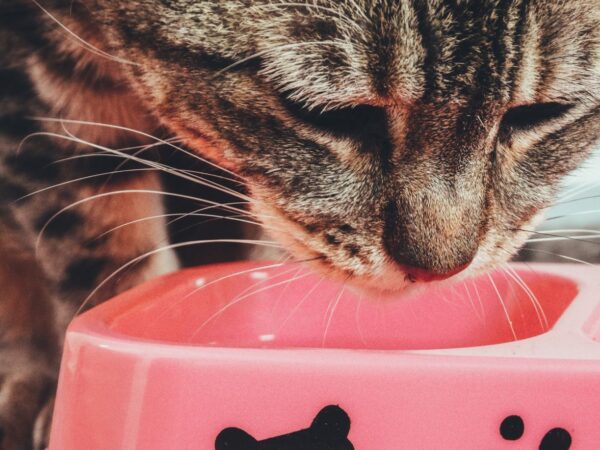
The short answer is no, cats shouldn’t drink cow’s milk. Despite the classic image of a cat lapping from a saucer, most adult cats don’t digest lactose well, and milk commonly causes diarrhoea, wind and tummy upsets. RSPCA Australia advises against giving cats milk and recommends fresh water instead. Kittens are different, but they need their mother’s milk or a proper kitten milk replacer, never milk from the fridge.
Why milk upsets most cats
Milk contains a sugar called lactose. To digest it, the gut needs an enzyme called lactase, which splits lactose into simpler sugars that can be absorbed. Kittens produce lactase while they are nursing, because their mother’s milk is their only food. As they wean onto solid food, many cats produce much less of it.
The ASPCA Animal Poison Control Center explains that pets do not possess significant amounts of lactase, and the Cornell Feline Health Center notes that many cats are lactose intolerant and can develop gastrointestinal problems if fed dairy products.
When lactose isn’t digested, it travels on to the large intestine, where it draws in water and is fermented by gut bacteria. The result is the classic set of signs:
- soft stools or diarrhoea, usually within a day of drinking milk
- wind and a gurgling tummy
- vomiting in some cats
- discomfort, restlessness or reduced appetite
Not every cat reacts the same way. Some seem to cope with a few laps without obvious trouble, while others get diarrhoea from a small amount. Because cats get no nutritional benefit from cow’s milk, there is simply no good reason to take the risk.
What RSPCA Australia recommends
In its guide to what to feed your cat, RSPCA Australia says to make sure clean, fresh drinking water is available at all times, and not to provide milk as it can cause gastrointestinal upsets. It also recommends including moist food such as canned food or pouches regularly, to help with water intake.
Cats evolved from desert-dwelling ancestors and often have a low thirst drive, so they get a lot of their water from food. A diet that includes wet food, along with easy access to fresh water, does far more for your cat’s health than any saucer of milk.
Kittens: milk replacers, not cow’s milk
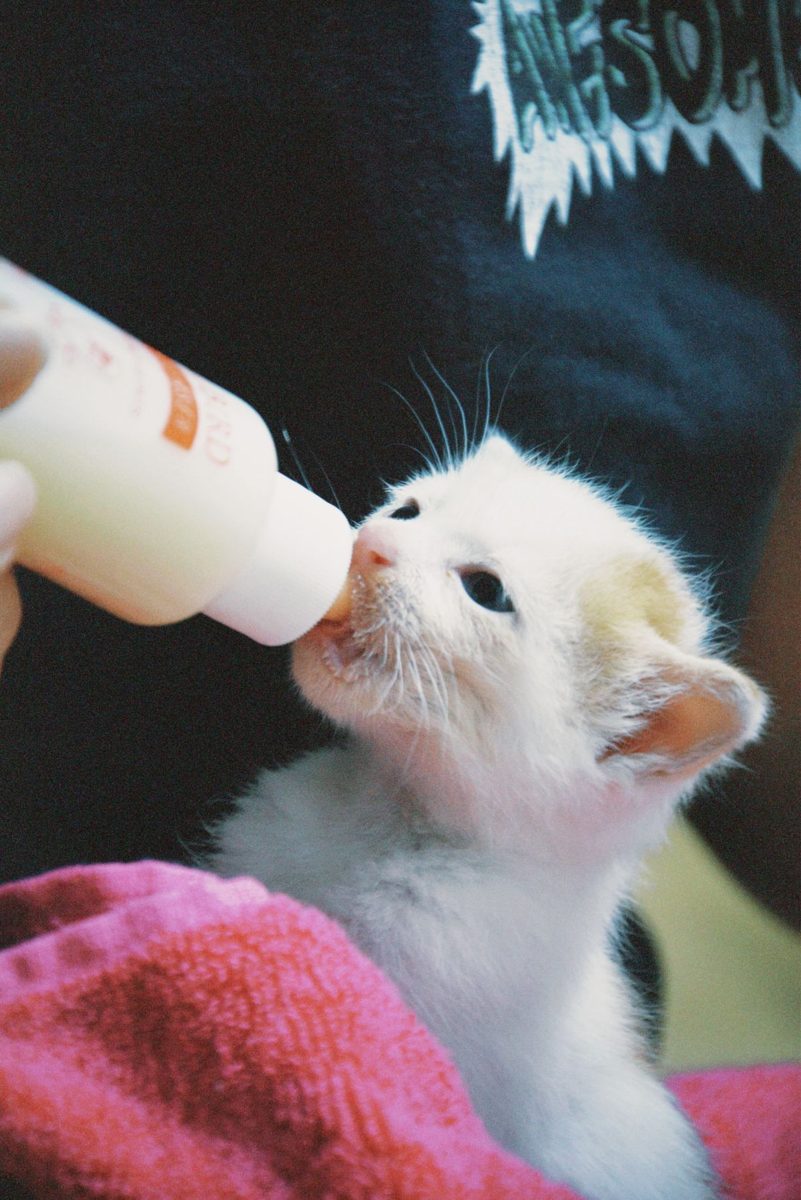
Kittens need milk, but it has to be the right kind. A kitten’s best food is its mother’s milk. If a kitten is orphaned, rejected or the mother can’t feed the litter, the replacement should be a commercial kitten milk replacer, available from vet clinics and pet stores. These formulas are designed to match the protein, fat and other nutrients in queen’s milk far more closely than cow’s milk can.
A few important points for anyone caring for young kittens, which is common during kitten season in Australia:
- Don’t use cow’s milk. It is too low in protein and fat for growing kittens and the lactose is likely to cause diarrhoea, which can quickly dehydrate a tiny kitten.
- Don’t rely on goat’s milk. VCA Animal Hospitals says goat’s milk is not recommended for kittens because it is far too low in protein and fat. In a genuine emergency it may be used very briefly until replacer can be bought.
- Follow the label. Commercial replacers come with feeding directions. VCA advises warming the formula to around 35 to 38°C, and notes that kittens under two weeks old typically need feeding every two to four hours.
- Feed kittens on their tummy, never on their back, and let them suckle at their own pace to reduce the risk of formula going into the lungs.
- Get a vet check early. Very young orphaned kittens are fragile, and your vet can check hydration, weight and any health problems.
Kittens usually start eating solid food at around four weeks of age, with milk replacer mixed into a soft kitten food to make a gruel at first. RSPCA Australia notes that kittens naturally wean off their mother’s milk at around 8 to 12 weeks. After that, a complete and balanced kitten food and fresh water are all they need. RSPCA’s kitten feeding advice also says not to give milk, as it can cause gastrointestinal upsets.
What about “cat milk” from the supermarket?
You will see lactose-free or lactose-reduced “cat milk” products on Australian supermarket and pet store shelves. These are made for cats and are generally much gentler on the gut than ordinary cow’s milk. They are fine as an occasional treat for an adult cat that enjoys them, with a few caveats:
- They are a treat, not a drink. Pet milks contain kilojoules, mostly from fat and sugars. They should not replace water.
- Count them in the treat allowance. Cornell suggests treats should not exceed 10 to 15 per cent of a cat’s daily calorie intake. A small serve a couple of times a week is plenty for most cats.
- Watch the waistline. Indoor and desexed cats gain weight easily, and liquid treats are easy to overdo. Our guide to healthy weight loss for pets explains how quickly extra kilojoules add up for a small animal.
- Not for young kittens. Supermarket cat milk is not a substitute for kitten milk replacer.
- Check with your vet first if your cat has diabetes, kidney disease, pancreatitis, food allergies or a sensitive stomach, or is on a prescription diet.
Other dairy: cream, cheese, yoghurt and ice cream
Different dairy foods contain different amounts of lactose and fat, but none of them is needed in a cat’s diet.
| Dairy food | Is it OK for cats? | Why |
|---|---|---|
| Cow’s milk | Best avoided | Contains lactose that many cats can’t digest well; commonly causes diarrhoea |
| Cream | Avoid | Lower in lactose than milk but very high in fat, which can upset the stomach and adds lots of kilojoules |
| Hard cheese | A crumb at most, occasionally | Low in lactose but high in fat and salt; some cats still react |
| Plain yoghurt | Only a lick, if any | Some lactose is broken down, but it is still dairy and offers cats little benefit |
| Ice cream | Avoid | Lactose, sugar and fat, and some flavours contain chocolate, sultanas or other risky ingredients |
| Lactose-free cat milk | Occasional treat | Designed for cats, but still adds kilojoules |
| Kitten milk replacer | Yes, for unweaned kittens | Formulated to replace queen’s milk |
For a wider list of foods to keep off the menu, see our guide to foods toxic to cats.
Safer treats and ways to keep cats hydrated
If you’d like to give your cat something special, these options are more suitable than milk:
- Small pieces of plain cooked meat, such as chicken breast or lean beef, with no bones, skin, seasoning, onion or garlic.
- Plain cooked fish, boneless and unseasoned, as an occasional extra rather than a staple.
- Commercial cat treats or freeze-dried meat treats, used in small amounts and counted in the daily allowance.
- A spoonful of their usual wet food in a puzzle feeder or lick mat for enrichment.
- Play. Many cats value a five-minute wand-toy session as much as any food treat.
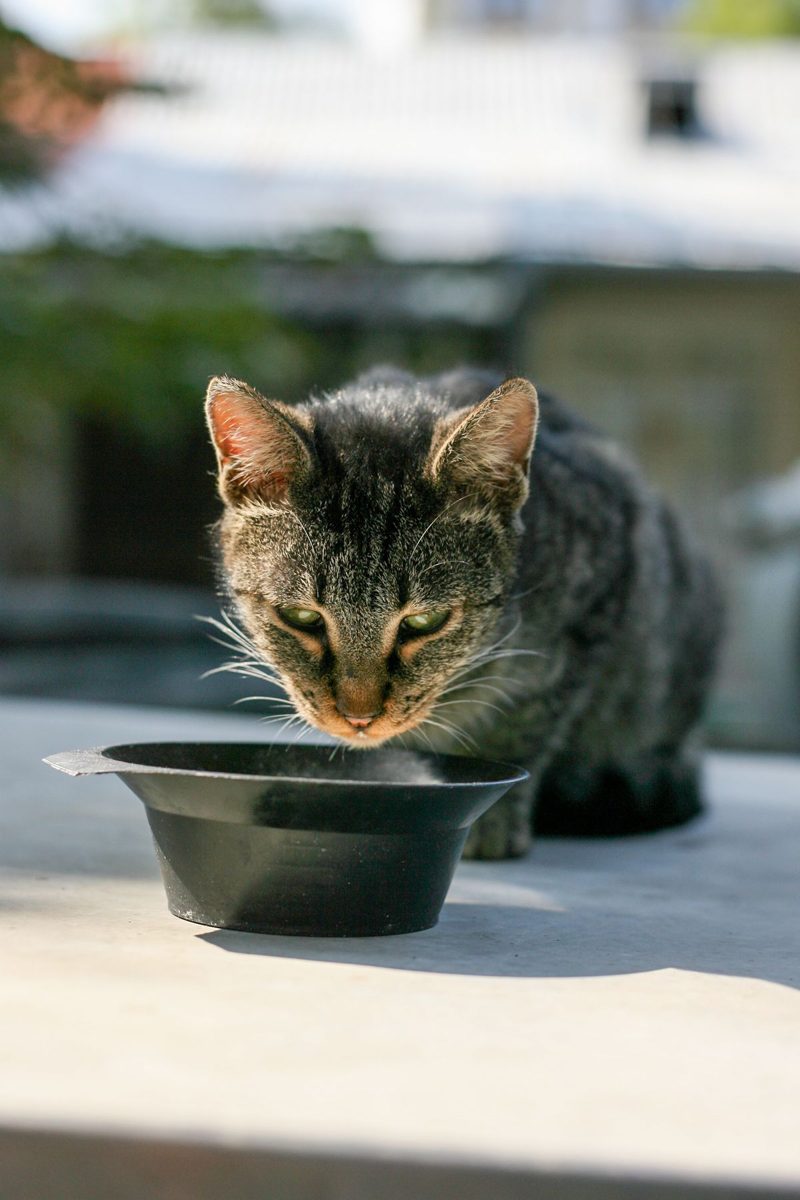
To help your cat drink more, try a wide, shallow bowl so whiskers don’t touch the sides, place water bowls away from food and litter trays, offer a pet water fountain, and include wet food in the diet. As the weather warms up through spring and into summer, it is worth checking your cat always has water in a cool, shaded spot.
When to call the vet
A cat that has stolen a lap of milk might have a loose stool or two and then return to normal. Contact your vet if your cat:
- has diarrhoea that lasts more than 24 hours, or vomits more than once
- has blood or mucus in their stools
- seems lethargic, stops eating or hides away
- is a young kitten with diarrhoea, as kittens can dehydrate very quickly
- is suddenly drinking much more water than usual, which can be a sign of conditions such as kidney disease or diabetes. Our article on cats drinking more water explains the warning signs.
Frequently asked questions
Why do cats love milk if it’s bad for them?
Milk is rich in fat and protein, and cats are drawn to the smell and taste. Liking something doesn’t mean their gut can handle it, in the same way many people enjoy foods that disagree with them.
Is lactose-free milk from the supermarket OK for cats?
Lactose-free milk made for people removes the main digestive problem, so it is less likely to cause diarrhoea than regular milk. It still adds fat and kilojoules with no real nutritional benefit, so if you want to offer milk as a treat, a product made for cats is the better choice, and only occasionally.
Can I give a stray kitten cow’s milk until I get to a vet?
It’s best not to. Cow’s milk can cause diarrhoea that dehydrates a small kitten. Keep the kitten warm and get it to a vet, shelter or pet store for kitten milk replacer as soon as possible. A vet can also check its age and health.
Do adult cats need milk at all?
No. Once weaned, cats get everything they need from a complete and balanced cat food. Water is the only drink they need.
How much cat milk can I give as a treat?
Follow the serving guide on the pack and treat it as part of your cat’s daily treat allowance. For most adult cats, a small serve a couple of times a week is plenty. Reduce their food slightly on those days if your cat tends to put on weight.
Key takeaways
- Most adult cats don’t digest lactose well, so cow’s milk commonly causes diarrhoea and tummy upsets.
- RSPCA Australia recommends fresh water at all times and no milk for cats or kittens.
- Orphaned kittens need a commercial kitten milk replacer, not cow’s milk or goat’s milk.
- Lactose-free cat milk is fine as an occasional treat, counted within the daily treat allowance.
- Small pieces of plain cooked meat, commercial cat treats, wet food and play are better options than dairy.
- See your vet for persistent diarrhoea, vomiting, lethargy, or any diarrhoea in a young kitten.
Sources
- ASPCA: People Foods to Avoid Feeding Your Pets
- Cornell Feline Health Center: Feeding Your Cat
- RSPCA Australia Knowledgebase: What should I feed my cat?
- VCA Animal Hospitals: Raising Kittens
- RSPCA Australia Knowledgebase: What should I feed my kitten?
This article is general information for pet owners and is not a substitute for advice from a registered veterinarian. If your cat or kitten is unwell or has special dietary needs, please contact your local vet.