
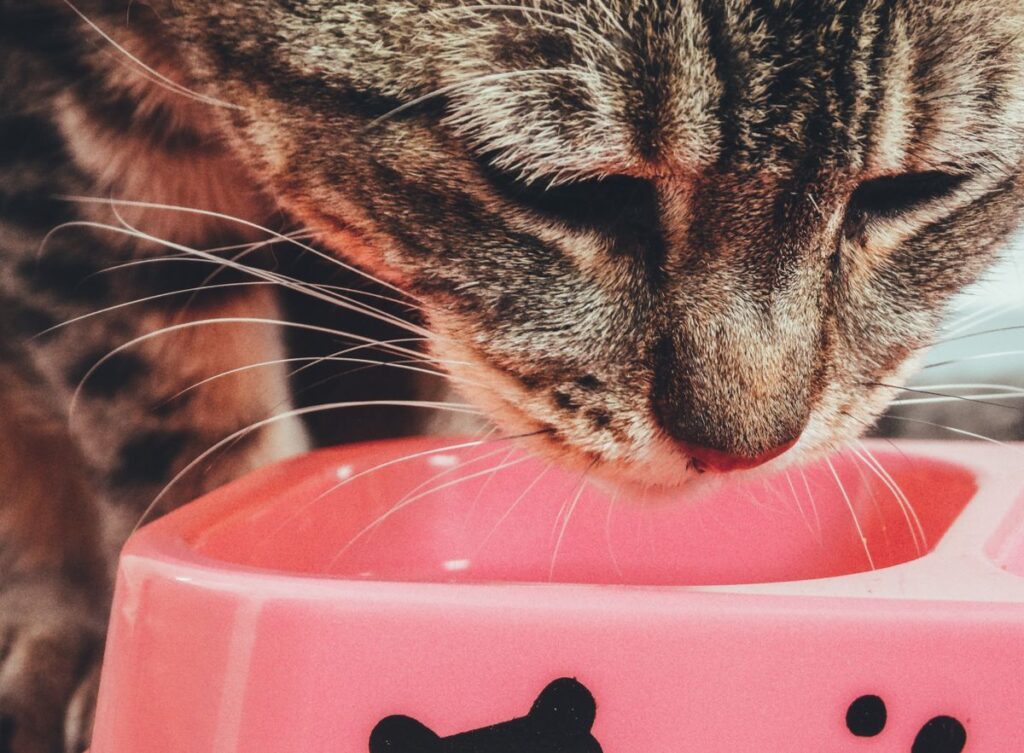
Yes, cats can eat tuna, but only as an occasional treat. A little plain tinned tuna in spring water is fine for most healthy cats, and RSPCA Australia lists it as a food that can be offered occasionally. Tuna should never become your cat’s main meal. A diet built mostly on human tinned tuna is not complete and balanced, and cats fed large amounts of it have developed a painful condition called steatitis, or “yellow fat disease”. Mercury and the salt in brine are other reasons to keep portions small.
Here is how to share tuna safely, which kinds to choose, and why cat food “with tuna” is not the same as a tin from the supermarket fish aisle.
Why cats love tuna
Cats are obligate carnivores, and tuna is strong-smelling, meaty and rich in protein, so it is no surprise that many cats go wild for it. That enthusiasm is the problem. Some cats become so keen on tuna that they start refusing their normal food, which can push owners into feeding more and more of it. Keeping tuna as a small, occasional extra stops that habit before it starts.
What the experts say
RSPCA Australia says fish such as tinned sardines, tuna or salmon in spring water can be offered as a treat occasionally, taking care with any bones. It also stresses that cats should be fed a complete and balanced diet suited to their life stage and health, and that other foods should only be occasional treats, not the main part of the diet.
The Cornell Feline Health Center suggests that treats should not exceed 10 to 15 percent of a cat’s daily calorie intake. Cornell also notes that some cats that have eaten canned fish products meant for humans have developed potentially serious neurological disorders, which is another reason to keep human tuna as a small extra rather than a staple.
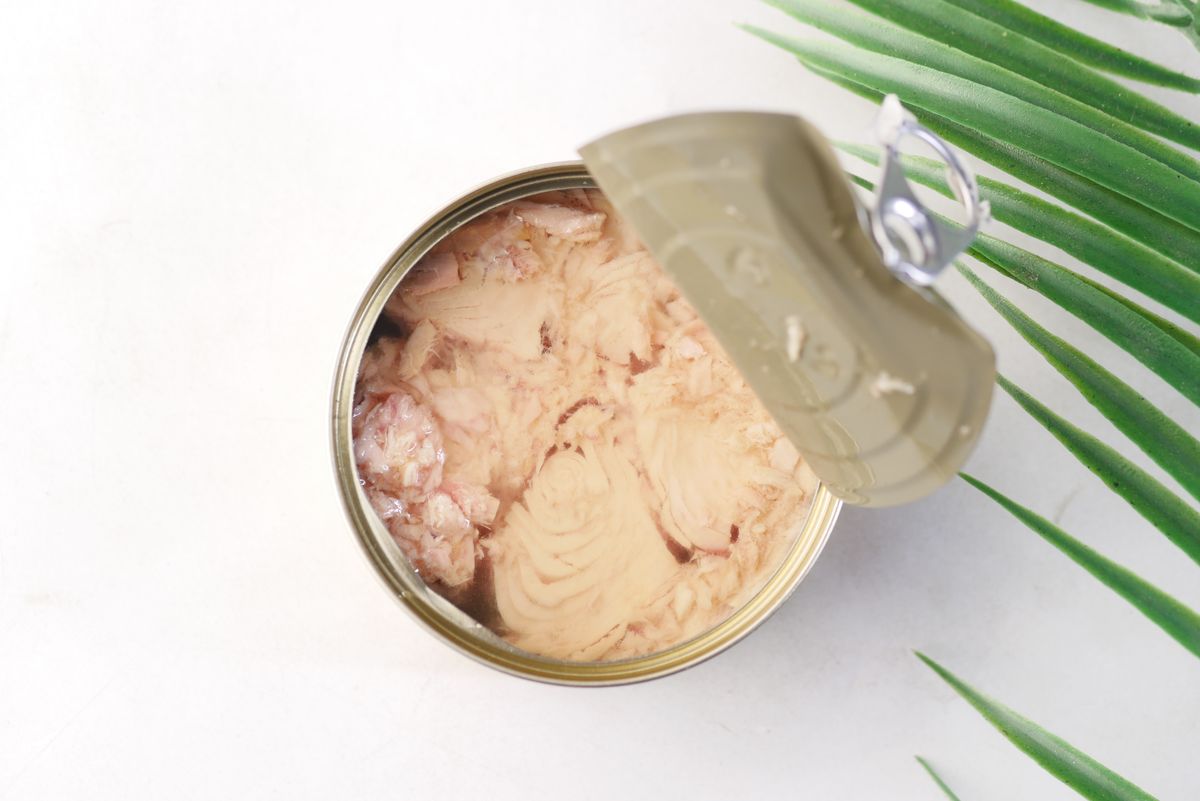
The risks of feeding too much tuna
Steatitis (yellow fat disease) and vitamin E
Vitamin E works as an antioxidant, helping protect the unsaturated fats in the body’s cells from damage. Oily fish like tuna is rich in unsaturated fats, and a diet heavy in tuna without enough vitamin E can leave a cat short of it. The Merck Veterinary Manual states that naturally occurring vitamin E deficiencies have occurred in cats given large quantities of canned tuna, resulting in pansteatitis, also called yellow fat disease. Merck describes signs in kittens and adult cats such as poor appetite, listlessness, tenderness when the belly is touched, and lumpy, discoloured fat.
This is linked to large amounts of tuna fed over time, not the odd spoonful. It is the main reason vets warn against all-tuna or mostly-tuna diets.
Thiamine (vitamin B1)
Thiamine is an essential vitamin for cats, and deficiency can cause serious neurological signs. Merck explains that raw fish can contain enzymes called thiaminases that destroy thiamine, but that these enzymes are destroyed by cooking, and the heat used in canning is enough to inactivate them. So plain tinned tuna is not a thiaminase risk in the way raw fish can be.
Thiamine still matters when talking about fish-heavy diets. Merck notes that thiamine deficiency generally does not develop in cats fed properly prepared complete and balanced commercial diets, and that destruction of thiamine has also been linked to food processing. RSPCA Australia warns that sulphite preservatives in some pet meats have been linked to many cases of thiamine deficiency, which can be fatal. The safest approach is simple: feed a complete and balanced cat food as the main diet, avoid sulphite-preserved pet meat, and do not feed raw fish.
An unbalanced diet
Tuna on its own is missing nutrients cats need in the right amounts. Merck notes that calcium deficiency and bone problems are often linked to diets made up almost entirely of meat, liver, fish or poultry. A tin of tuna is a protein snack, not a meal plan.
Mercury
Tuna is a large predatory fish. Food Standards Australia New Zealand explains that mercury builds up in fish over time, and that big, long-lived predatory fish tend to have higher levels than smaller, younger fish. That guidance is written for people, but cats are much smaller than us, so it is sensible to keep tuna to small, occasional portions rather than a daily habit.
Salt, oil and flavourings
- Brine adds salt that your cat does not need.
- Oil adds extra fat and calories, which can upset some stomachs and add to weight gain.
- Flavoured tuna (chilli, lemon pepper, tomato and onion, garlic, mayonnaise) is a no. Onion and garlic in particular are toxic to cats. Our guide to foods toxic to cats lists others to avoid.
Which tuna is best for cats?
| Type of tuna | OK for cats? | Why |
|---|---|---|
| Plain tuna in spring water | Yes, as an occasional treat | No added salt or oil; the type RSPCA Australia mentions |
| Tuna in brine | Best avoided | Extra salt; rinse well if it is all you have |
| Tuna in oil | Best avoided | Extra fat and calories |
| Flavoured tuna (chilli, garlic, onion, sauces) | No | Seasonings and onion or garlic can be harmful |
| Raw tuna or sashimi | No | Raw fish can contain thiaminase and carries food safety risks |
| Plain cooked fresh tuna, no seasoning | Small amounts occasionally | Cooked, boneless and unseasoned |
| Complete and balanced cat food containing tuna | Yes, as a regular meal | Formulated with the vitamins and minerals cats need |
Cat food with tuna vs tinned tuna from the supermarket
A tin of tuna made for people is just fish (plus water, brine or oil). A cat food that lists tuna on the label is a different product. If it is labelled complete and balanced, it has been formulated with added nutrients, such as vitamin E and thiamine, so it can be fed as a main meal.
Read the label carefully, though. Some tuna cat foods and toppers are labelled complementary, which means they are treats or toppers that are not meant to be fed on their own. If your cat only eats a complementary tuna product, they may still miss out on important nutrients. Our guide on how to read a pet food label explains what to look for.
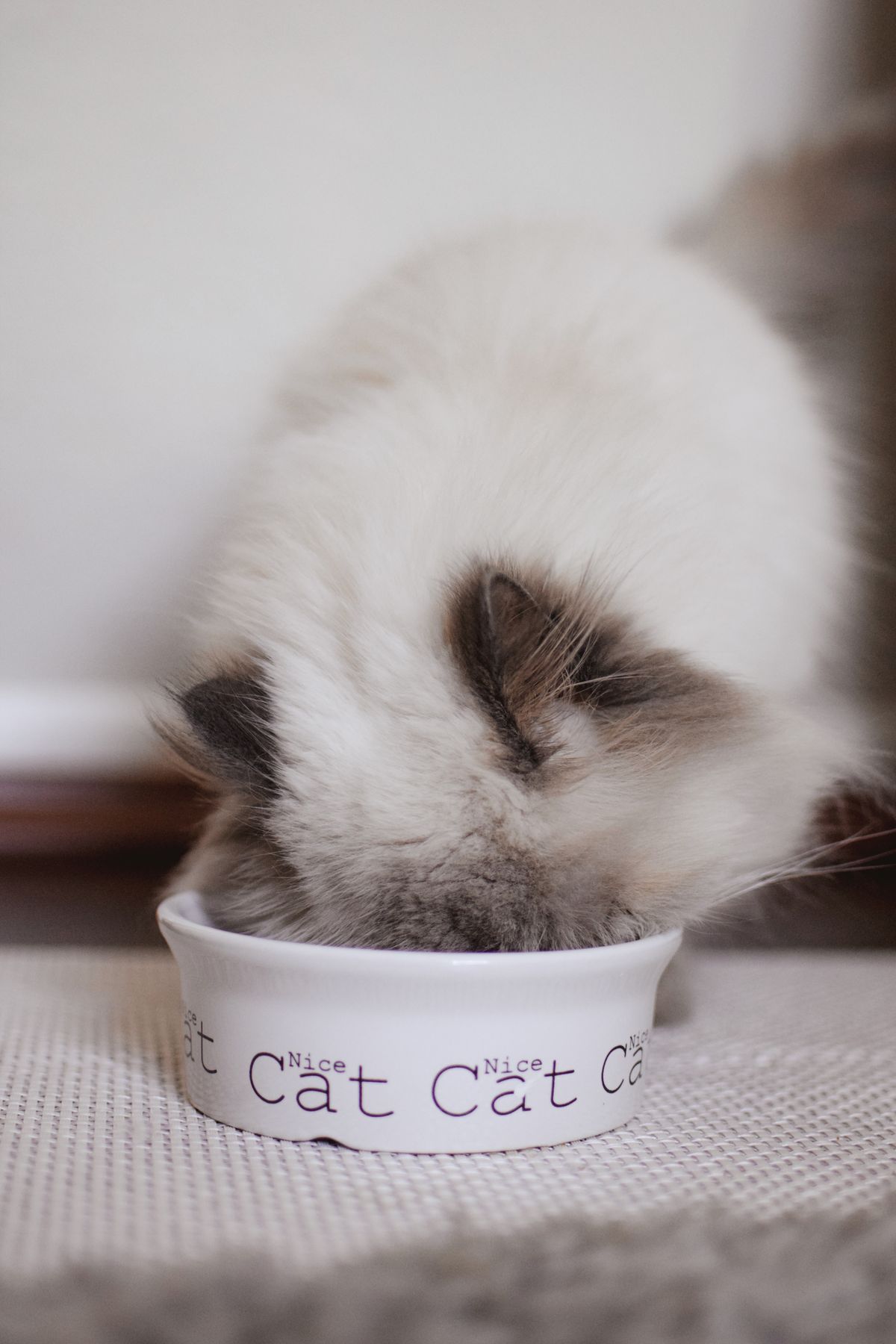
How much tuna can a cat have?
There is no official “tuna allowance” for cats, so use the treat rule as your guide: all treats combined should stay within roughly 10 to 15 percent of daily calories, as Cornell recommends. For most adult cats, that means tuna works best as a small taste rather than a bowlful.
| Situation | Practical guide |
|---|---|
| Healthy adult cat, occasional treat | About a teaspoon or two of plain tuna in spring water, once or twice a week |
| Tempting a fussy eater or hiding a tablet | A small dab mixed into their usual food, short term only |
| Kittens | Focus on a complete and balanced kitten food; keep any tuna to a tiny taste |
| Cats with kidney, urinary, weight or other health issues, or on a prescription diet | Ask your vet before offering tuna or any extras |
Count the tuna as part of your cat’s food for the day, not on top of it. If your cat is carrying extra weight, our guide to healthy weight loss for pets can help.
Tips for serving tuna safely
- Choose plain tuna in spring water, with no added flavours.
- Drain it well and check for any bones.
- Serve a small amount in a clean dish, separate from or mixed into their usual food.
- Cover and refrigerate leftovers, and throw them out after a day or two.
- Do not let tuna replace a meal, and do not leave it sitting out in warm weather.
- Watch for vomiting or diarrhoea after a new food and stop if it does not agree with your cat.
When to call the vet
Contact your vet if your cat:
- Has been eating mostly tuna or other fish for weeks or months
- Refuses their normal food and will only eat tuna (a cat that stops eating for more than a day or so needs attention)
- Seems sore when touched on the belly, is unusually quiet, or has lumps under the skin
- Shows wobbliness, unusual head posture, weakness or seizures
- Has ongoing vomiting or diarrhoea
If you think your cat has eaten something toxic, such as tuna with onion or garlic, call your vet or the Animal Poisons Helpline on 1300 869 738 (consultation fees apply).
Frequently asked questions
Can cats eat tuna every day?
It is best not to. Daily tuna makes it easy for treats to crowd out a balanced diet, and large amounts over time have been linked to vitamin E deficiency and steatitis. Keep it to an occasional treat.
Is tuna in spring water or oil better for cats?
Spring water. It has no added salt or oil, and it is the type RSPCA Australia mentions as an occasional treat. Tuna in oil adds unnecessary fat and calories, and brine adds salt.
Can kittens eat tuna?
Kittens need a complete and balanced kitten food to grow properly. A tiny taste of plain tuna will not hurt most kittens, but it should never replace their regular meals.
Is tuna-flavoured cat food safe to feed every day?
Yes, if it says “complete and balanced” on the label. If it says “complementary”, it is designed as a treat or topper and should not be the only thing your cat eats.
Can tuna help a sick cat eat?
A small amount can sometimes tempt a cat with a poor appetite, but a cat that is not eating needs a vet check to find out why. Ask your vet before using tuna to coax a sick cat.
Key takeaways
- Cats can eat tuna as an occasional treat, ideally plain tuna in spring water.
- All-tuna or mostly-tuna diets are unbalanced and have been linked to vitamin E deficiency and steatitis.
- Raw fish can destroy thiamine; canning inactivates the enzyme, but tuna is still no substitute for a complete diet.
- Avoid brine, oil, flavoured tuna and anything with onion or garlic.
- Keep all treats within about 10 to 15 percent of daily calories.
- Cat food containing tuna is fine as a main meal only if it is labelled complete and balanced.
Sources
- RSPCA Australia Knowledgebase: What should I feed my cat?
- Merck Veterinary Manual: Nutritional Requirements and Related Diseases of Small Animals
- Cornell Feline Health Center: Feeding Your Cat
- Food Standards Australia New Zealand: Mercury in fish
This article is general information for pet owners and is not a substitute for advice from a registered veterinarian. If your cat has a health condition, is on a special diet, or seems unwell after eating something new, please contact your local vet.