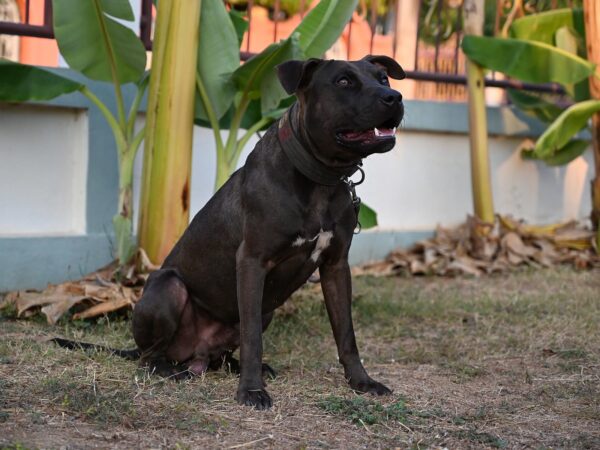
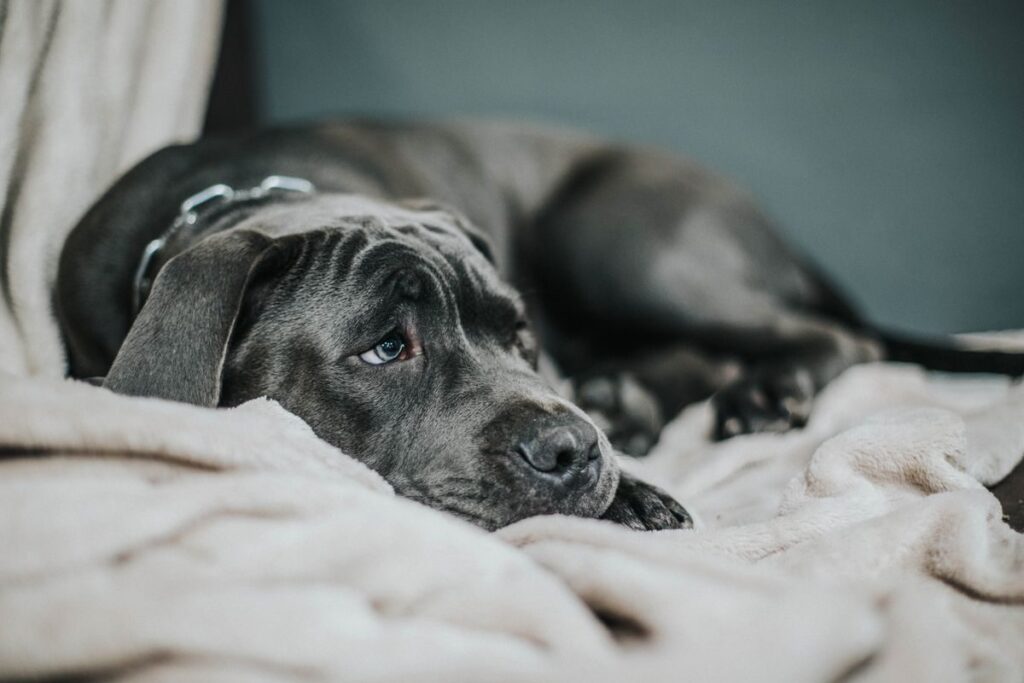
If your dog has brought up yellow foam or a slimy yellow liquid, it is almost always bile mixed with stomach fluid and air. The most common reason is simple: the stomach was empty for too long, often overnight, and bile irritated it. A single episode in a dog who is otherwise bright, eating and drinking normally is usually not an emergency. Repeated vomiting, vomiting with other signs of illness, or vomiting in a puppy or older dog is a different story and needs a vet. Here is how to tell the difference.
What is the yellow foam?
Bile is a yellow-green digestive fluid made by the liver and stored in the gallbladder. It is released into the first part of the small intestine to help digest fat. Normally it flows onward through the gut, but some can wash backwards into the stomach, particularly when there is no food there to buffer it.
When a dog vomits on an empty stomach, there is nothing to bring up except stomach fluid, mucus and that refluxed bile. Churned up with air, it comes out as yellow froth or foam. That is why yellow vomit tends to show up first thing in the morning, or when a meal is late.
It also helps to know whether your dog is truly vomiting. VCA Animal Hospitals explains that vomiting involves forceful contractions of the abdominal muscles, while regurgitation is more passive and is usually linked to problems in the oesophagus. If your dog simply lowers its head and food or fluid slides out with no heaving, mention that to your vet, because the causes are different.
Common causes of a dog vomiting yellow bile
An empty stomach and bilious vomiting syndrome
Some dogs regularly vomit bile or froth, but not food, after a long gap without eating. Vets sometimes call this bilious vomiting syndrome (BVS). According to PetMD’s vet-reviewed guide, the overnight fast between dinner and breakfast can allow intestinal fluid to flow backward into the stomach, irritating it and triggering vomiting.
The typical pattern is easy to recognise:
- vomiting of yellow foam or liquid, usually early morning or before meals
- a dog who is otherwise well, keen for breakfast and keeps food down once fed
- episodes that recur every few days or weeks rather than once
BVS is generally not life-threatening, but it is a diagnosis made by ruling other things out, so a vet check is still worthwhile if the pattern keeps repeating. Feeding a late-evening meal frequently relieves symptoms, and vets may also prescribe medications that reduce stomach acid or help the stomach empty.
Eating something they shouldn’t
Raiding the bin, scavenging on walks, eating rich leftovers or chewing on a toy can all irritate the stomach. Vomiting often starts with food and progresses to yellow foam once the stomach is empty. Many dogs also eat grass and bring it up with bile. Our article on why dogs eat grass looks at that habit in more detail.
Gastritis and diet changes
Inflammation of the stomach lining (gastritis) can follow dietary indiscretion, a sudden food change, a food sensitivity or some medications. The Merck Veterinary Manual notes that vomit in acute gastritis may contain bile, food, froth or blood. Mild cases often settle with supportive care, but ongoing or chronic gastritis needs investigation.
More serious causes
Yellow vomit itself doesn’t point to a specific disease. It just means the stomach was empty when the dog vomited. That means it can also appear with conditions that need prompt treatment, including:
- Pancreatitis, often after a fatty meal, which typically causes vomiting, belly pain and lethargy. Our guide to pancreatitis after fatty food covers the warning signs.
- A gut obstruction from a swallowed toy, sock, corn cob, bone or fruit stone.
- Infections, such as parvovirus in unvaccinated puppies, which can cause severe vomiting and bloody diarrhoea.
- Poisoning, for example from rat bait, snail bait, medications or toxic foods.
- Organ disease affecting the kidneys, liver or hormones, which can cause intermittent vomiting along with changes in thirst, appetite or weight.
- Inflammatory bowel disease or chronic food intolerance, where vomiting comes and goes over weeks or months.
What to do at home after a single episode
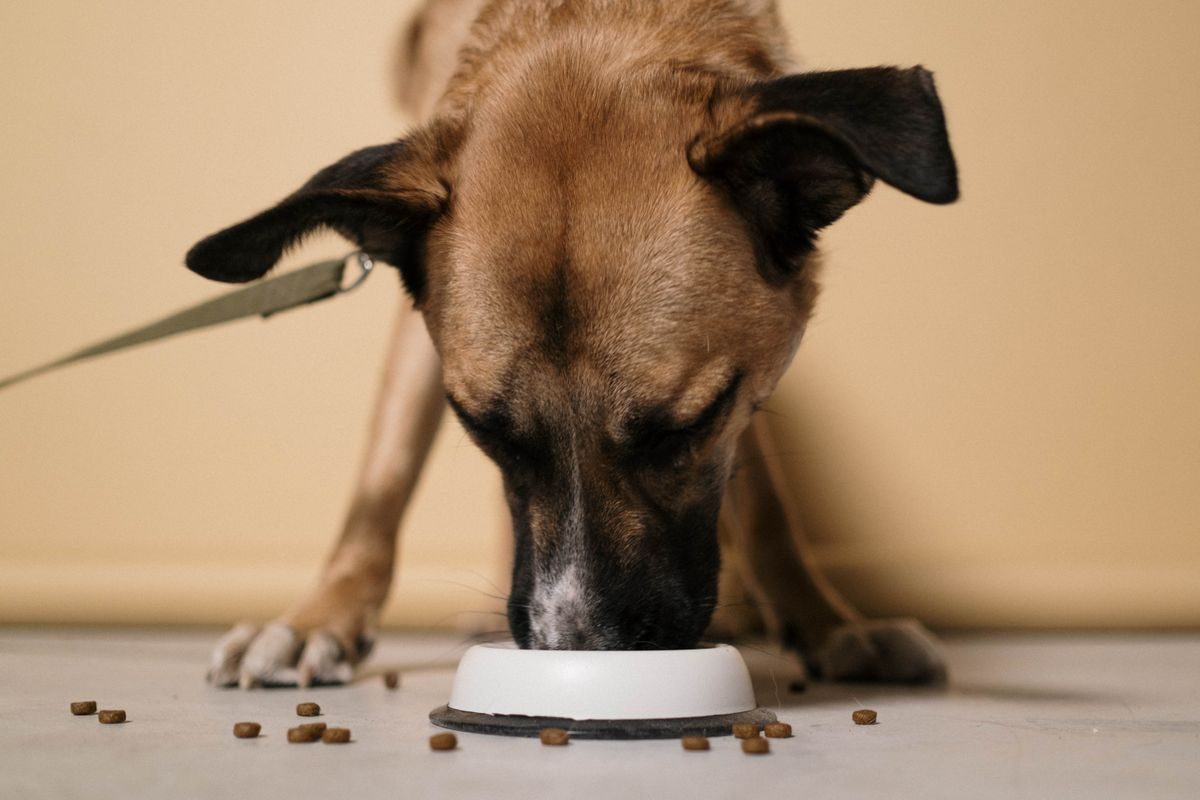
If your adult dog has vomited yellow foam once, seems bright and comfortable, and has no red-flag signs (see below), it is reasonable to monitor at home for a short time:
- Check the vomit. Look for blood (fresh red or dark “coffee grounds”), pieces of toy, plant material, wrappers or anything that might be toxic. A photo can be helpful for your vet.
- Rest the stomach briefly. VCA suggests withholding food temporarily until vomiting settles. For a healthy adult dog this is usually a few hours, not days. Do not withhold food from puppies, toy breeds or diabetic dogs without vet advice, because they can develop low blood sugar.
- Offer water in small amounts. Keep fresh water available, but if your dog gulps a large bowl and vomits again, offer a few laps at a time and increase as tolerated.
- Reintroduce food gently. Once there has been no further vomiting, offer a small portion of a bland, easily digested food, such as a vet-recommended gastrointestinal diet or plain boiled chicken breast with plain white rice. Feed small amounts several times a day, then transition back to the normal diet over a few days.
- Watch closely for 24 hours. Note how often vomiting happens, whether your dog is eating, the colour and consistency of stools, and their energy levels.
Avoid giving human medications such as anti-nausea tablets, antacids or pain relief unless your vet has prescribed them. Some are toxic to dogs, and others can mask signs your vet needs to see.
Managing morning bile vomiting
If your vet has examined your dog and suspects an empty-stomach pattern like BVS, simple feeding changes often help:
- Add a small late-evening meal or move part of the daily ration to just before bed, so the stomach isn’t empty for as long overnight.
- Split the daily food into three or four smaller meals rather than one large one, without increasing the total amount.
- Keep breakfast on time, as long gaps tend to trigger episodes.
- Avoid fatty treats and rich leftovers, which can irritate the stomach.
- Use puzzle feeders if your dog gulps food, as this can make larger meals easier to digest.
Keep a simple diary of when vomiting happens, what was eaten and when. Patterns are much easier for your vet to interpret than memory, especially if medication is being considered.
Red-flag signs: when to see a vet
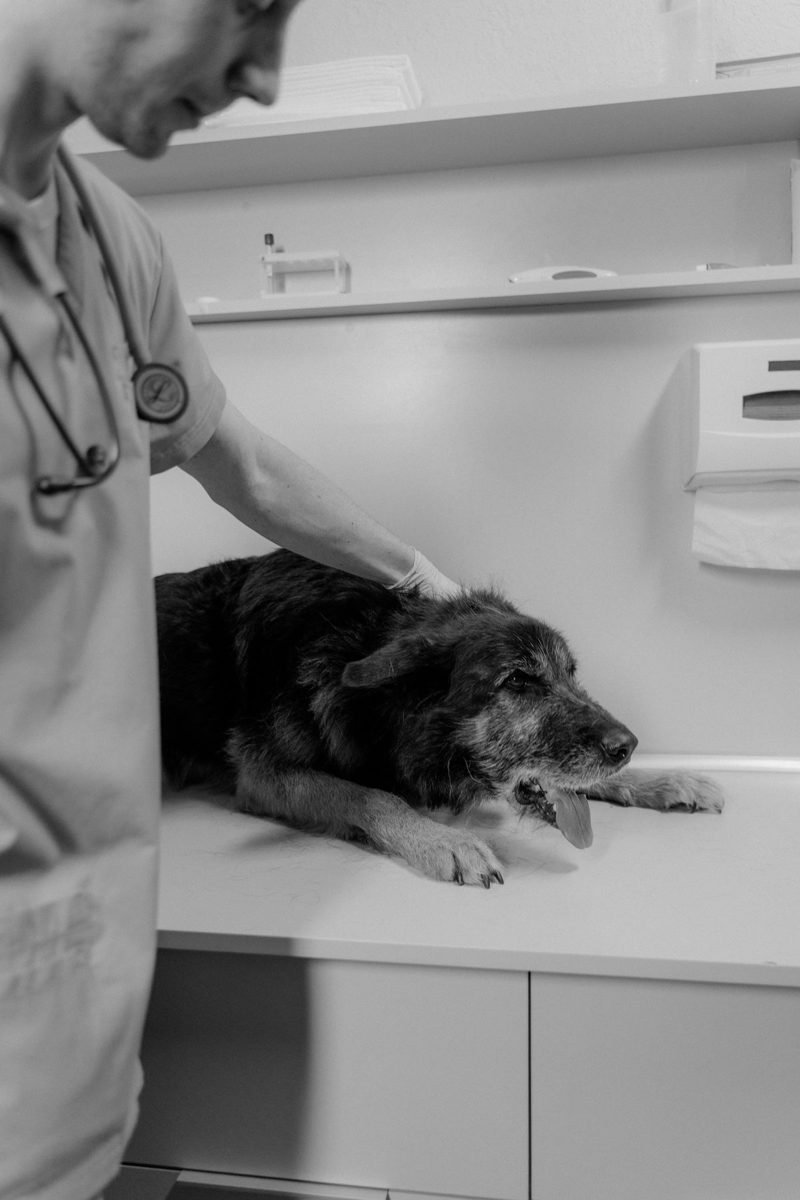
VCA advises contacting a vet if a vomiting dog has a fever, lethargy, loss of appetite, abdominal pain, diarrhoea, dehydration, bloody vomit, or may have eaten something toxic or obstructive. Use this table as a quick guide:
| Situation | What to do |
|---|---|
| One episode of yellow foam, dog bright and eating normally | Monitor at home for 24 hours |
| Morning yellow vomit that recurs every few days or weeks, dog otherwise well | Book a routine vet appointment to discuss |
| Vomiting more than two or three times in a day, or for more than 24 hours | See your vet the same day |
| Vomiting plus diarrhoea, lethargy, fever or refusing food | See your vet the same day |
| Puppy, senior dog or dog with a known health condition vomiting | Call your vet early, as they dehydrate faster |
| Blood in vomit, or vomit that looks like coffee grounds | Urgent vet visit |
| Swollen belly, retching with nothing coming up, restlessness | Emergency: possible bloat (GDV) |
| Possible poisoning or swallowed object | Call your vet or the Animal Poisons Helpline (1300 869 738) immediately |
Unproductive retching in a deep-chested dog deserves special mention, because it can be a sign of gastric dilatation and volvulus, a life-threatening emergency. Read our guide to bloat (GDV) in dogs so you know what it looks like. For unvaccinated or partly vaccinated puppies, vomiting with diarrhoea should always be checked promptly because of the risk of canine parvovirus.
What your vet might do
Your vet will ask about timing, diet, scavenging, medications and vaccination history, then examine your dog, including feeling the abdomen. Depending on the findings, they may recommend blood and urine tests, x-rays or an ultrasound to rule out problems such as an obstruction, pancreatitis or organ disease. Treatment can include anti-nausea medication, stomach protectants, a short course of a gastrointestinal diet and, for more unwell dogs, fluid therapy in hospital. If everything else is ruled out and the pattern fits BVS, feeding changes and sometimes an evening dose of medication are usually enough to keep it under control.
Frequently asked questions
Is it normal for a dog to throw up yellow foam in the morning?
It is common, and in an otherwise healthy dog it is often linked to an empty stomach overnight. It is not something to ignore if it keeps happening, though. Recurrent morning vomiting is worth a vet check to rule out other causes before putting it down to an empty stomach.
Should I feed my dog after they vomit bile?
If it was a single episode and your dog is bright, rest the stomach for a few hours and then offer a small, bland meal. If the vomiting is due to an empty stomach, a small meal often settles things. If your dog vomits again after eating, stop feeding and call your vet.
What is the difference between yellow and green vomit?
Both colours usually come from bile, which can look yellow or green depending on how concentrated it is. Bright green vomit can also come from eating grass, or occasionally from snail and rat baits, which are often dyed blue or green. If there is any chance your dog has eaten bait, treat it as an emergency.
Can stress or anxiety make a dog vomit bile?
Stress can affect the gut, and some dogs vomit when anxious, for example during car trips or storms. However, stress shouldn’t be assumed to be the cause until medical problems have been ruled out, especially if the vomiting is new or frequent.
When is yellow vomit an emergency?
Seek urgent care if your dog vomits repeatedly, can’t keep water down, has blood in the vomit, a swollen or painful belly, is retching without producing anything, seems weak or collapsed, or may have eaten something toxic or a foreign object.
Key takeaways
- Yellow foam is usually bile from an empty stomach, mixed with fluid and air.
- A single episode in a bright, eating dog can be monitored at home with a brief stomach rest and small bland meals.
- Recurrent morning bile vomiting may be bilious vomiting syndrome, which often improves with a late-evening meal, but see your vet first to rule out other causes.
- Do not fast puppies, toy breeds or diabetic dogs, and don’t give human medications.
- Repeated vomiting, blood, lethargy, belly pain, unproductive retching or possible poisoning all need a vet promptly.
This article is general information for pet owners and is not a substitute for advice from a registered veterinarian. If your dog is vomiting repeatedly or seems unwell, please contact your local vet or an emergency animal hospital.