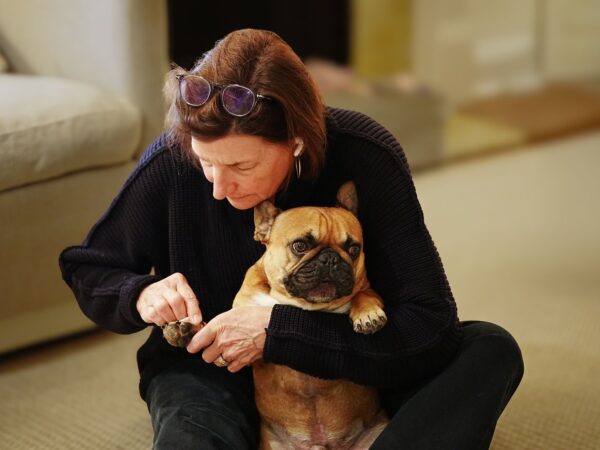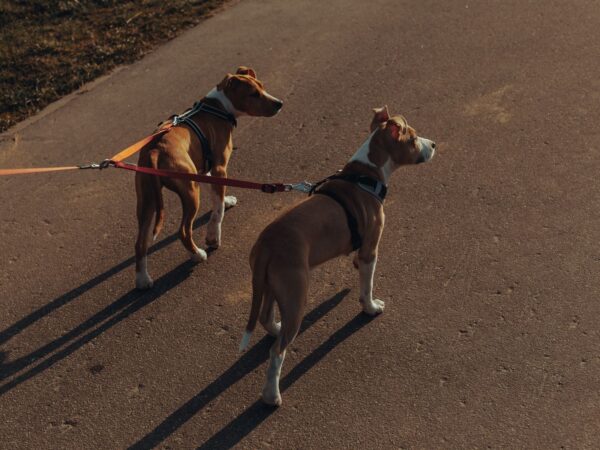

Bring Your Dog to Work Day is one of the friendliest dates on the office calendar. Workplaces around Australia open their doors to four-legged colleagues for the day, and a wagging tail in the kitchen does wonders for morale. A busy office is also a strange, noisy and stimulating place for a dog, though. A bit of planning in the week before turns a potentially overwhelming day into a calm, happy one for your dog and everyone around you. This guide covers when the day is held, whether your dog is suited to it, what to pack, how to dog-proof your desk, and how workplaces can make the day work for everyone.
What is Bring Your Dog to Work Day, and when is it?
Also known as Take Your Dog to Work Day, the event was started by Pet Sitters International in the United States in 1999 and is held each year on the Friday after Father’s Day in the US, which lands in late June. In 2026 it fell on Friday 26 June, and in 2027 it falls on Friday 25 June. Many Australian workplaces mark the same date, and RSPCA groups here share tips for taking part.
The day began as a way to celebrate the bond between people and dogs and to encourage adoption from shelters and rescue groups. Plenty of teams still use it to raise money or donations for a local shelter. You do not have to wait for the official date, either. The same advice applies to any office that welcomes dogs for a day or on a regular basis.
Why dogs at work can be a good thing
Many owners find a dog nearby makes the workday feel lighter. A friendly greeting, a quiet snooze under the desk or a lunchtime walk is a welcome break from screens and back-to-back meetings. Dogs are natural icebreakers, too. People step away from their desks, move around more and chat with colleagues they might not normally meet. For hybrid teams, a dog day can be a fun reason to get everyone into the office together. Experiences vary, of course, and the day only works when it suits the dogs and the people involved.

Step 1: Get the green light
Before you load the lead and treats into the car, confirm your workplace actually allows dogs and that your manager is on board. Check any building rules, too, as some shared buildings and lifts have their own policies. Just as importantly, have a quiet word with colleagues. Some people have allergies, asthma or a genuine fear of dogs, and their comfort matters as much as your dog’s. RSPCA Australia recommends checking that nobody’s health would be adversely affected before you commit.
Step 2: Is your dog actually suited to it?
Not every dog enjoys a crowded office, and that is perfectly okay. A confident, well-socialised dog who is relaxed around strangers, other dogs and unfamiliar sounds will usually cope well. The office is probably not the right place for a dog who:
- Is nervous, easily startled or reactive to people or other dogs
- Struggles to settle or is not reliably toilet trained
- Is a young puppy not yet fully vaccinated
- Is unwell, recovering from illness or off their food
If that sounds like your dog, celebrating from home is the kinder choice, or you could try a short visit instead of a full day. Our guides to reactive dog training and separation anxiety can help with longer-term confidence building.
If you are giving it a go and other dogs will be there, RSPCA Australia suggests introducing them outside first, for example in the car park, and taking them for a short walk together before they enter the office.
Step 3: Sort the health basics
Mixing with other dogs means a small risk of sharing more than friendly sniffs. Before the day, make sure your dog is:
- Up to date with vaccinations, including the kennel cough component if your vet recommends it. Our vaccination schedule guide explains the options.
- Current on flea, tick and worming treatment
- Microchipped, with your contact details up to date on the register
- Wearing a collar and ID tag, just in case
Respiratory infections spread easily wherever dogs gather, and kennel cough cases tend to rise in the cooler months, so this is not just box-ticking. Our guide to kennel cough explains the signs. If your dog is coughing, unwell or off their food, leave them at home to rest.
Step 4: Pack a comfort kit
A familiar setup helps an unfamiliar room feel safe. Pack:
- Their own bed, mat or favourite blanket
- A water bowl, food for the day and a few small treats
- Poo bags and some pet-safe cleaning spray
- A lead, plus a car harness or crate for the trip in
- One or two quiet chew toys or a food puzzle to keep them busy
Set the bed right beside your desk so your dog can always see you and you can keep an eye on them. Put fresh water where they can reach it at all times.
Step 5: Tire them out first
A good walk before work takes the edge off the excitement, so your dog is more likely to flop and snooze rather than pace or bark. Build in regular toilet breaks through the day and use your lunch break for a proper walk. It is good for you too.

Step 6: Dog-proof your patch
Offices are full of hazards at nose height. Before your dog arrives, scan your area and tuck away or block off:
- Power cables, phone chargers and cords that invite a chew
- Rubbish bins, especially those holding food scraps
- Coffee, chocolate, chewing gum (which may contain xylitol), grapes and other snacks on low desks or in bags
- Toxic indoor plants such as lilies and pothos. See our list of indoor plants toxic to dogs and cats.
- Stairwells, lifts and open doors to the street
Keep your dog out of the kitchen, where dropped food is a constant temptation. Some workplaces use a baby gate or small pen around the owner’s desk to give dogs a clear, safe zone. Reward calm, settled behaviour with a quiet treat or gentle praise so your dog learns that mellow is what earns the good stuff.
Office etiquette for owners
- Keep your dog on lead or within your area unless your workplace agrees otherwise, and never leave them unsupervised. If you must step away, ask a trusted colleague to watch them.
- Always ask before letting your dog approach someone.
- Teach colleagues how to greet: crouch down, let the dog come to them, and avoid loud noises or looming over the dog.
- Clean up accidents promptly with a non-ammonia cleaner, and never punish your dog for them.
- Respect pet-free zones and meeting rooms.
Read the room: signs your dog isn’t coping
Watch your dog’s body language throughout the day. Signs of stress include:
- Heavy panting or drooling when it is not hot
- Yawning, lip-licking or turning away
- Pacing, whining or being unable to settle
- Flattened ears, a tucked tail or trying to hide
- Freezing, going stiff, growling or snapping
RSPCA NSW describes these stress signals as the “4 Fs”: fiddle (yawning, lip-licking), freeze, flight and fight. If you notice the early ones, take your dog somewhere quieter for a break. If the day is clearly too much, head home. RSPCA NSW suggests keeping first visits short, ideally around half a day. A short, positive visit beats a long, anxious one every time.
Tips for workplaces hosting a dog day
- Set clear ground rules in advance: which areas are dog-friendly, lead rules, and who is responsible for each dog.
- Survey staff beforehand about allergies and fears, and provide dog-free spaces.
- Limit numbers so the office does not become a dog park, and stagger arrivals.
- Make sure every dog is vaccinated, healthy and supervised by its owner.
- Give the day a purpose with a donation drive or fundraiser for a local shelter.
If your team loves it, the day can be a good trial run for a regular dog-friendly policy. For dogs who need company on ordinary workdays, our guide to choosing a safe doggy daycare may help.
Frequently asked questions
When is Bring Your Dog to Work Day?
It is held on the Friday after Father’s Day in the United States, which falls in late June. It was Friday 26 June in 2026 and will be Friday 25 June in 2027. Your workplace can choose its own date too.
What should I bring for my dog?
Their own bed or blanket, a water bowl, food and treats, poo bags, a lead and a couple of quiet toys or a food puzzle. Set the bed beside your desk so your dog can see you and settle near you.
Does my dog need vaccinations to come to work?
Yes. Keep core vaccinations current, including kennel cough where your vet recommends it, plus flea, tick and worming treatment, before your dog mixes with other animals.
What if my dog gets anxious at the office?
Move them to a quieter spot for a break and head home early if the environment is too stressful. For ongoing anxiety, speak with your vet or a qualified, reward-based trainer.
Can I bring my cat instead?
Most cats find a busy office stressful, and a car trip and strange room are not much fun for them. Your cat is almost always happier at home.
Key takeaways
- Bring Your Dog to Work Day is held in late June each year, and the same tips apply to any dog-friendly office day.
- Get your workplace’s permission and check colleagues for allergies or fears first.
- Only bring a healthy, vaccinated, microchipped and well-socialised dog.
- Pack a comfort kit, walk your dog beforehand and dog-proof your desk.
- Watch for signs of stress, keep first visits short, and head home if it is too much.
This article is general information for Australian dog owners and is not a substitute for advice from a registered veterinarian. If you have concerns about your dog’s health or behaviour, talk to your vet.