

Christmas in July is one of the best excuses we have for a mid-winter feast: mince pies, fruit cake, a proper pudding and a warm house full of food. The catch is that almost every one of those dishes is built on grapes in disguise. Sultanas, raisins and currants are all just dried grapes, and for dogs they are among the more serious foods in the kitchen. A mince pie dropped under the table is not in the same league as a dropped chip.
Why grapes and dried fruit are so risky for dogs
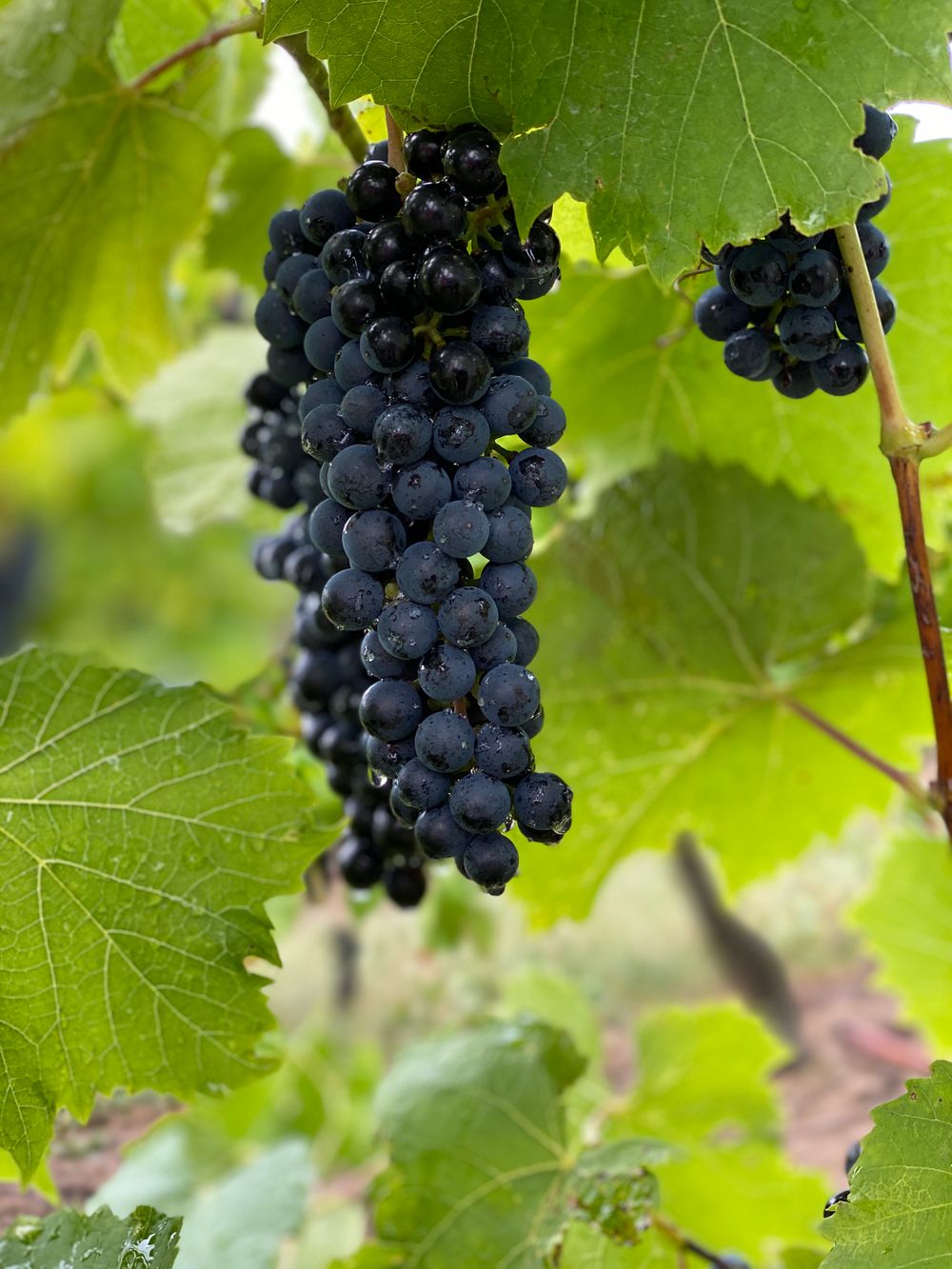
Grapes, sultanas, currants and raisins can all cause acute kidney injury in dogs, and the dried forms are more concentrated than fresh fruit (Animal Poisons Helpline; RSPCA Knowledgebase). For years vets could not explain the mechanism. A 2021 report in the Journal of the American Veterinary Medical Association proposed an answer: tartaric acid, an organic acid found in high concentrations in grapes (ASPCApro; Veterinary Poisons Information Service). Dogs appear to be unusually poor at clearing organic acids like this, so it is thought to build up and damage the kidneys (Merck Veterinary Manual), although researchers say more work is needed to confirm it. The same work tied together separate poisonings from homemade playdough and from tamarind, both also high in tartaric acid, pointing to one shared culprit.
There is no proven “safe” amount
This is the number every owner wants, and it is exactly the number that does not exist: there is no established safe dose. The amount of tartaric acid varies with the grape variety, the growing conditions and even the size of the fruit, and individual dogs differ in how badly they react (Animal Poisons Helpline). Some dogs eat a few grapes with no obvious harm; others develop kidney failure from a small serve (Merck Veterinary Manual). Because you cannot tell in advance which dog you have, the sensible move is to treat any amount as a potential problem rather than gambling on a cut-off.
The dried-fruit traps hiding in a winter kitchen
Most accidental poisonings are not a dog raiding the fruit bowl: they are baked goods. Cooking dried fruit into a cake is not thought to reduce the risk, and a curious dog can hoover a fallen mince pie before you have turned around. These are the usual winter offenders:
| Winter food | What’s hiding in it |
|---|---|
| Christmas pudding & fruit cake | Loaded with raisins, sultanas and currants |
| Fruit mince pies and fruit mince | Raisins and sultanas |
| Hot cross buns and raisin toast | Sultanas and raisins |
| Muesli, trail mix and muesli bars | Raisins and sultanas |
| Homemade playdough | Cream of tartar (a form of tartaric acid) |
| Grapes on the cheese board | Whole fresh grapes |
The playdough one catches families off guard during the school holidays: cream of tartar is tartaric acid, the same compound behind grape poisoning. Grapes are also not the only festive-food hazard: it is worth knowing the signs of pancreatitis from fatty Christmas-in-July leftovers and the dangers of cooked bones while the oven is busy.
Signs of grape or raisin poisoning
Symptoms often begin within 6 to 12 hours of eating grapes or raisins (Merck Veterinary Manual). Watch for:
- Vomiting or diarrhoea, often the first sign
- Loss of appetite and unusual tiredness
- Tummy pain, weakness or wobbliness
- Increased thirst, or a noticeable drop in how much they wee
Kidney damage can keep developing over the following days even when the early signs look mild, which is why “waiting to see how they go” is the wrong call with dried fruit (Animal Poisons Helpline).
What to do if your dog eats grapes, sultanas or raisins
Do not wait for symptoms. Acting early, ideally within a couple of hours, gives your vet the best chance to help, often by making your dog vomit and starting fluids to protect the kidneys. Work through this:
- Take the food away and note roughly how much your dog ate, and when.
- Call the Animal Poisons Helpline on 1300 869 738, or your vet, straight away.
- Have your dog’s weight and the product packet handy so they can judge the risk.
- Do not try to make your dog vomit at home unless a vet tells you to.
- After hours? Contact your nearest emergency vet. Do not wait until morning.
And remember grapes are not the only kitchen staple that is toxic to dogs: onion and garlic are another pair worth keeping well out of reach.
Frequently asked questions
Are cooked grapes or sultanas in a cake still dangerous?
Yes. Treat baked goods the same as raw dried fruit, because there is no evidence that baking makes them safe, so a slice of fruit cake, a mince pie or a hot cross bun still carries the risk.
My dog ate one sultana, should I panic?
Don’t panic, but don’t brush it off either. Because there is no proven safe amount and dogs vary so much, ring the Animal Poisons Helpline or your vet for advice based on your dog’s size.
Are grapes toxic to cats as well?
The kidney-injury link is well documented in dogs and far less clear in cats, with only anecdotal reports and no published case reports (Merck Veterinary Manual), but there is no good reason to test it. Keep grapes and dried fruit away from cats too.
Key takeaways
- Grapes, sultanas, currants and raisins can all cause kidney failure in dogs.
- There is no proven safe amount. Treat any ingestion as serious.
- Winter baking hides dried fruit in puddings, mince pies, hot cross buns and muesli.
- Call the Animal Poisons Helpline (1300 869 738) or your vet straight away. Don’t wait for symptoms.
Written by Wawan Andika, GoPetr. This article is general information only and is not a substitute for veterinary advice. For diagnosis or treatment specific to your dog, consult a licensed Australian veterinarian.
Sources
- Animal Poisons Helpline (Australia): Grapes, sultanas, currants and raisins
- RSPCA Knowledgebase: Common household dangers for pets
- Merck Veterinary Manual: Grape, raisin and tamarind toxicosis in dogs
- ASPCApro: Toxic component in grapes and raisins identified
- Veterinary Poisons Information Service: Cause of grape-induced kidney injury in dogs