If your dog suddenly plants their feet, extends their neck and makes a rapid, honking snort that sounds like they’re inhaling a sneeze backwards, your first thought is usually panic. The good news for most Australian dog owners: this noisy episode, known as a reverse sneeze, is almost always harmless and over in under a minute. The important part is knowing how to tell it apart from a cough, a choke, or something genuinely urgent like a paralysis tick.
What a reverse sneeze actually is
A reverse sneeze (vets call it paroxysmal respiration) happens when something irritates the back of the nose and throat, triggering “a series of multiple, loud, sudden, rapid inhalations” with the airway briefly closed, according to Cornell University’s Riney Canine Health Center. A normal sneeze pushes air out; a reverse sneeze pulls it in hard. Episodes typically last from a few seconds to a minute or two (occasionally longer) and can recur at random intervals, and the prognosis for most dogs is excellent.
What sets it off
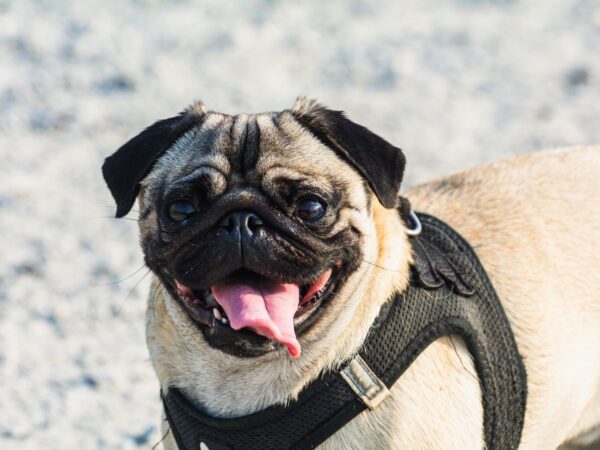
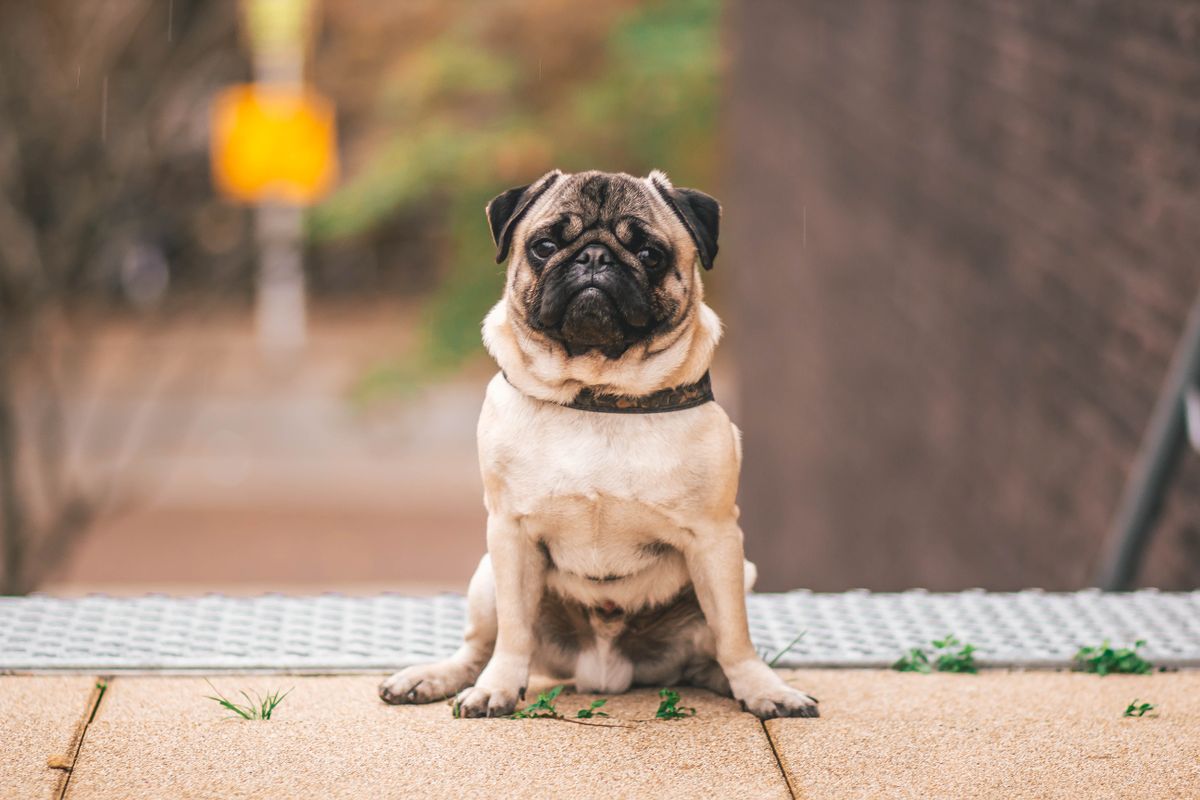
Common triggers include excitement, gulping food or water too fast, pulling on the lead, dust, pollen and other allergens, according to Cornell. Flat-faced (brachycephalic) breeds such as pugs and French bulldogs can be more prone because of their elongated soft palates. Less commonly, nasal mites (Pneumonyssoides caninum) can be behind repeat episodes and are treatable with anti-parasitic medication once a vet diagnoses them (PetMD).
The Australian bit: telling it apart from something serious
This is where local context matters. A reverse sneeze is a rapid inward snort while standing still, then instant recovery. Two things Aussie owners genuinely need to rule out are kennel cough and, on the east coast, paralysis tick.
| Sign | Reverse sneeze | Kennel cough | Paralysis tick (urgent) |
|---|---|---|---|
| Sound | Rapid snorting inhale | Dry, honking cough | Cough plus changed or weak bark |
| Duration | Usually under a minute, then normal | Days, recurring | Worsens over hours to days |
| Other signs | None: dog is otherwise fine | Fits of coughing, sometimes retching | Wobbly back legs, breathing trouble, vomiting |
| Action | Monitor at home | See vet within a day or two | Emergency vet immediately |
The paralysis tick is found along the eastern seaboard from north Queensland down to Victoria, and a change in your dog’s voice or bark, wobbliness in the back legs or laboured breathing are red-flag signs that need urgent veterinary attention, warns the RSPCA Knowledgebase. If any of those appear, reverse sneeze or not, treat it as an emergency. For the everyday honking cough that lingers, our guide to kennel cough in Australian winter walks through the difference, and tick-region owners should read our paralysis tick prevention guide.
What to do during an episode
Most episodes stop on their own. To help it along, Cornell and the UK’s PDSA suggest these gentle options:
- Stay calm and speak softly: your dog reads your stress.
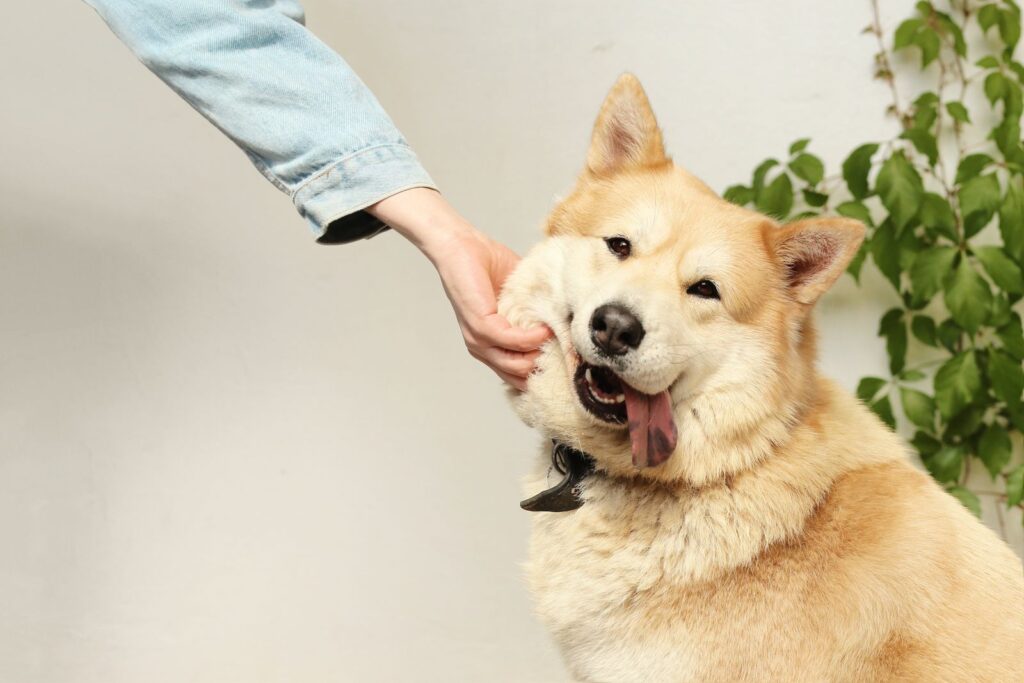
- Gently massage the throat to help them swallow.
- Gently cover one or both nostrils for a second or two to prompt a swallow.
- Lightly blow on their face to interrupt the reflex.
- Once it passes, offer a small drink of water.
A handy tip: film an episode on your phone. The PDSA points out that dogs rarely reverse sneeze during a consult, so a short clip helps your vet tell a reverse sneeze from a cough far more reliably than a verbal description.
When to book the vet
- Episodes suddenly become frequent, longer or more intense.
- You see nasal discharge, bleeding, pawing at the face or a swollen muzzle.
- Your dog seems unwell, off their food, or breathing looks laboured between episodes.
- You live in a tick area and notice any bark change or hind-leg weakness, go straight to an emergency vet.
Consult fees vary between clinics, and if your vet needs imaging or a camera exam of the nose under general anaesthetic (rhinoscopy) to chase a cause, costs rise considerably. If you’re not sure whether it’s an emergency, ring your regular vet or the nearest after-hours emergency clinic for advice. Brachycephalic owners may also find our guide to flat-faced breeds useful for understanding their dog’s airway.
Frequently asked questions
Is reverse sneezing dangerous for my dog?
For most dogs, no. It’s a harmless reflex with an excellent outlook, and many dogs have occasional episodes their whole lives without any underlying problem.
How long should a reverse sneezing episode last?
Usually a few seconds up to a minute or two, after which your dog returns to normal instantly. Anything that drags on, repeats back-to-back, or comes with distress warrants a vet call.
Which dogs reverse sneeze the most?
Small and flat-faced breeds are most prone, thanks to their soft-palate anatomy, but any dog can do it.
Key takeaways
- A reverse sneeze is a rapid inward snort that resolves within a minute and is usually harmless.
- Tell it apart from kennel cough (lingering dry cough) and, on the east coast, paralysis tick (bark change, weak legs, breathing trouble = emergency).
- Gentle throat massage or briefly covering the nostrils helps an episode pass.
- Film an episode and see a vet if they become frequent, intense, or come with other symptoms.
Written by GoPetr Writer, the GoPetr editorial team. General information only. Not a substitute for veterinary advice. Always consult a licensed Australian veterinarian for diagnosis or treatment specific to your pet.