Christmas in July has become a genuine Aussie winter tradition. As the cold settles in across the southern states, plenty of families fire up a roast, lay out the ham, and toast the season with a hearty mid-year feast. It is good fun, but for our dogs, those rich winter leftovers carry a hidden risk that lands surprising numbers of pets at the emergency vet each year: pancreatitis.
Why Winter Feasts Spell Trouble for Dogs
Pancreatitis is inflammation of the pancreas, the organ that produces the enzymes your dog needs to digest food. When a dog suddenly eats a large amount of fatty food, the pancreas can go into overdrive, and those digestive enzymes start to irritate the organ itself. The result is a painful, sometimes serious condition that often needs hospital care. The exact cause is often unknown, but a fatty meal can be a trigger in some dogs (VCA Animal Hospitals).
Celebrations, with their rich food and extra scraps, are a classic setting for it. A single high-fat meal (a bowl of ham offcuts, a plate of buttery roast potatoes, or the fat trimmed off the lamb) can be enough to trigger an episode in a susceptible dog. The MSD Veterinary Manual lists dietary indiscretion as a common risk factor in dogs, and the RSPCA warns that feeding fat trimmings may be associated with pancreatitis (RSPCA Knowledgebase).
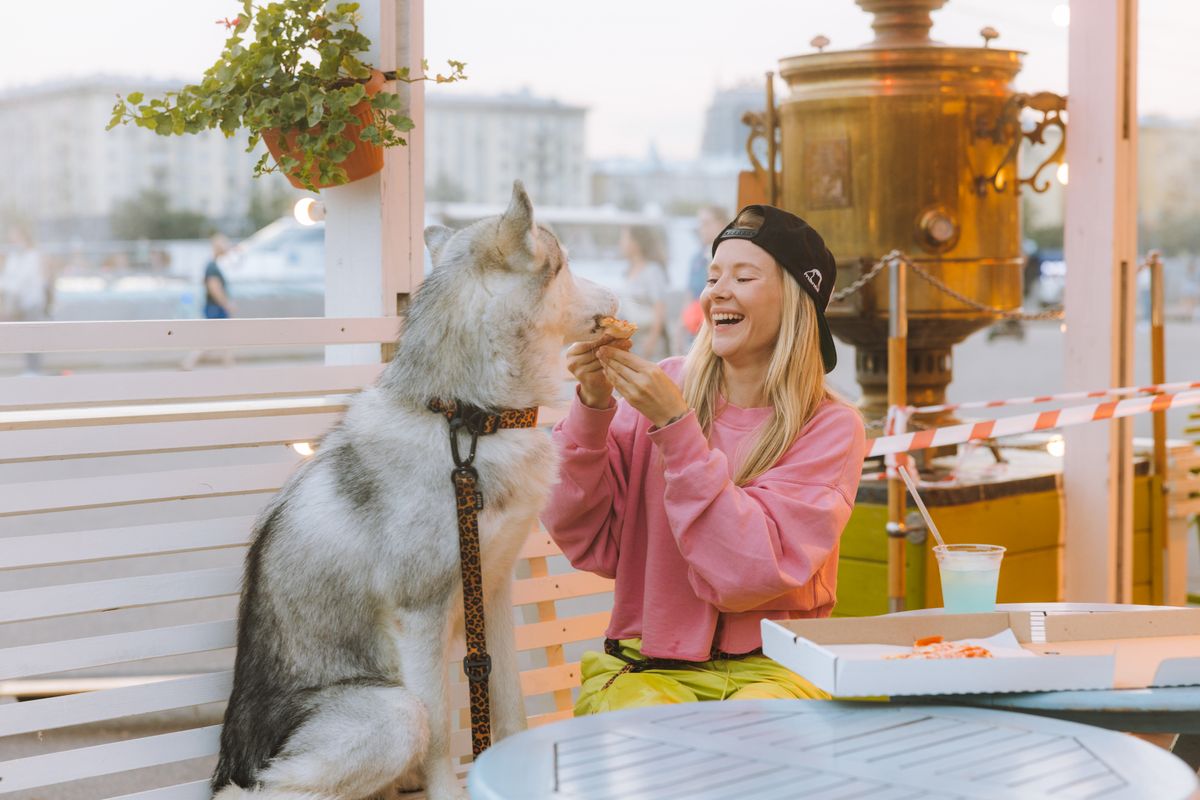
The Winter Foods Most Likely to Cause Problems
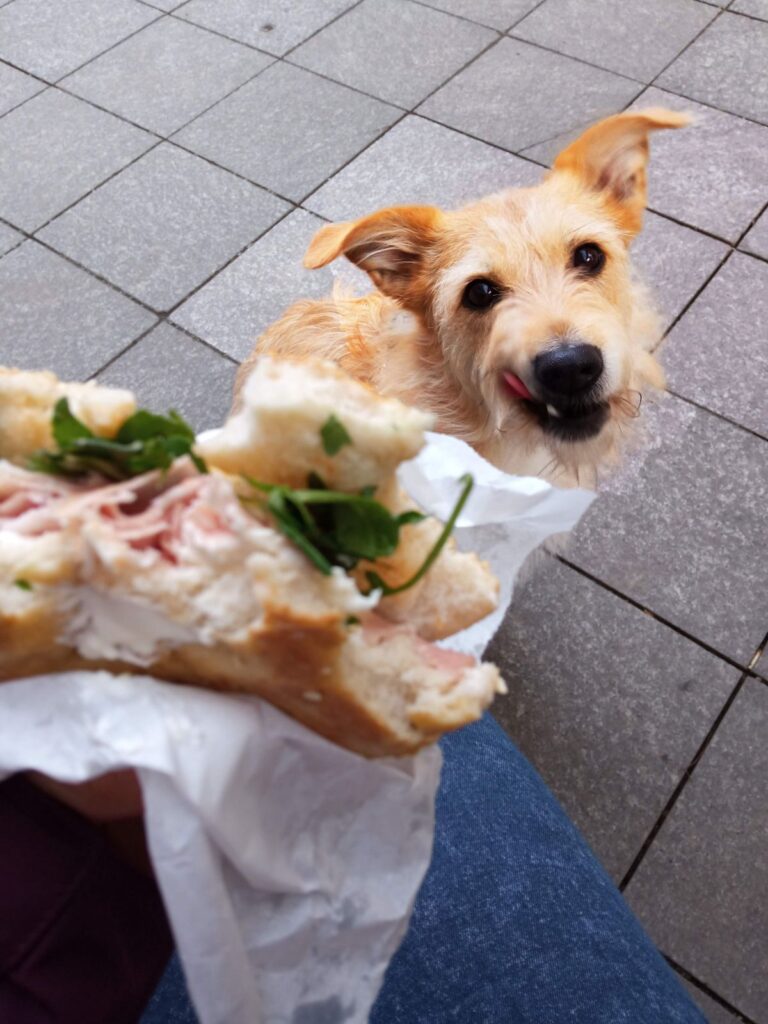
It is rarely the dog’s normal dinner that causes trouble. The danger comes from the extras that appear on the table during a winter celebration. Keep a close eye on these common culprits:
- Ham, bacon and fatty pork: very high in fat and salt, and a frequent trigger.
- Fat trimmed from roast lamb, beef or chicken skin: concentrated fat is the main risk factor.
- Buttery or oily roast vegetables: potatoes and pumpkin roasted in fat are surprisingly rich.
- Gravy, drippings and pan juices: almost pure fat poured over leftovers.
- Cooked bones: they can splinter and cause blockages and gut damage that can be fatal (RSPCA Knowledgebase).
- Rich desserts and cream, and remember chocolate, grapes and onions are toxic in their own right.
Signs of Pancreatitis Every Owner Should Know
Symptoms can appear within a day or two of a fatty meal. Vets look for signs such as vomiting, diarrhoea, fever, lethargy, belly pain and the ‘praying’ position (VCA Animal Hospitals). If your dog shows any of the following after a winter feast, contact your vet promptly:
- Repeated vomiting or diarrhoea
- Loss of appetite and noticeable lethargy
- A hunched back or a stretched, ‘praying’ posture from belly pain
- A tender, painful or bloated tummy
- Restlessness, panting or signs of discomfort
- Fever or dehydration
Pancreatitis can range from mild to life-threatening, and it can be difficult to tell which one you are dealing with at home. When in doubt, ring your clinic. Consult a licensed veterinarian for diagnosis or treatment specific to your pet.
How to Keep the Celebration Dog-Safe
The good news is that prevention is simple and does not mean leaving your dog out of the fun. A few small habits make all the difference:
- Feed your dog their normal meal before guests arrive, so they are less likely to beg.
- Set a clear ‘no table scraps’ rule with the whole family and any visitors.
- Secure the bin and keep platters well back from the edge of benches and tables.
- Offer dog-safe treats instead: a few plain cooked carrots, a little lean turkey breast, or their usual treats.
- Pop your dog in a quiet room with a chew or food-puzzle toy during the main meal if temptation is high.
Some breeds and individual dogs are more prone to pancreatitis than others (Miniature Schnauzers are notably overrepresented, according to the MSD Veterinary Manual), and some dogs who recover from one episode go on to have recurrent bouts (VCA Animal Hospitals). If that sounds like your dog, talk to your vet about a suitable low-fat diet for the cooler months.
Frequently Asked Questions
Can one piece of ham really hurt my dog?
For many dogs a tiny taste will pass without issue, but there is no guaranteed safe amount: in susceptible dogs even a single fatty serving can trigger pancreatitis. The safest approach is to avoid sharing ham, bacon and other fatty offcuts altogether.
How quickly do symptoms appear after a fatty meal?
Signs often develop within 24 to 48 hours. Watch for vomiting, a hunched posture, refusal to eat or obvious belly pain, and contact your vet if any of these show up after a feast.
Is pancreatitis treatable?
Yes. Many dogs recover well with prompt veterinary care, which usually involves pain relief, anti-nausea medication, a low-fat diet and, in more severe cases, a few days in hospital on a drip (VCA Animal Hospitals). Early treatment gives the best outcome, so do not wait and see if your dog seems unwell.
What can I safely give my dog at a winter celebration?
Plain, lean and unseasoned is the rule: a little skinless cooked chicken or turkey breast, plain cooked pumpkin or carrot, or their regular treats. Avoid anything fatty, salty, buttery, or cooked in oil.
Key Takeaways
- Rich Christmas in July leftovers are a common pancreatitis risk for dogs.
- Fatty foods (ham, bacon, trimmed fat, gravy and oily roast veg) are the main triggers.
- Watch for vomiting, lethargy, a hunched posture and belly pain in the 1–2 days after a feast.
- Feed your dog beforehand, ban table scraps, and offer plain lean treats instead.
- If you suspect pancreatitis, see your vet promptly: early care matters.