
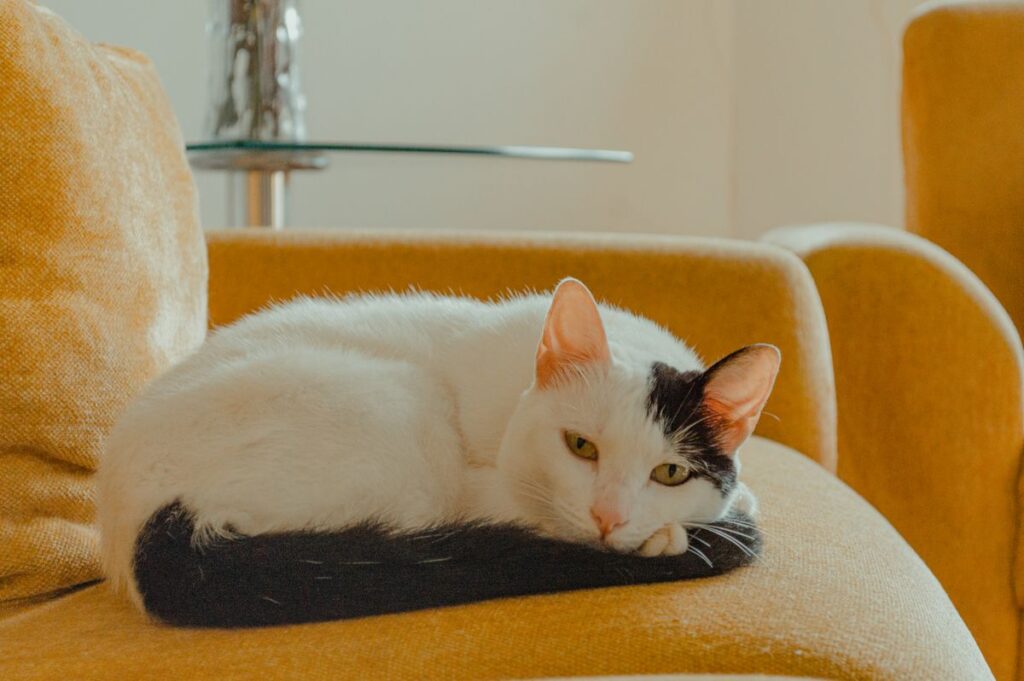
A coughing cat is a common worry over winter, and not every cough is a hairball. If your cat crouches low, stretches its neck out and makes a dry, hacking cough that brings nothing up, it could be feline asthma: a chronic airway disease that tends to flare when homes are shut up tight and the wood heater is running. Here’s how to tell it apart from a hairball, and what to do about it.
What feline asthma actually is
Feline asthma is an allergic inflammation of the lower airways. When a sensitive cat breathes in an irritant, its immune system overreacts: the small airways (bronchi) constrict and the surrounding tissue swells, so the cat struggles to push air back out. It affects roughly one in a hundred cats and is a chronic condition, manageable, but not curable (Cornell Feline Health Center). Australian feline specialists describe the classic picture as increased effort breathing out, a wheeze and episodic distress, with or without an obvious cough (Cat Specialist Services, QLD).
Asthma, hairball or cat flu?
The overlap with hairballs is exactly why asthma slips under the radar. Use this quick comparison, then read the notes below it.
| What you see | Hairball | Feline asthma | Cat flu |
|---|---|---|---|
| The cough | Wet retch, ends fast | Dry, repeated, brings nothing up | Sneezing more than coughing |
| Produces something? | A tube of fur | No, nothing comes up | Nasal and eye discharge |
| Posture | Brief hunch, then normal | Crouched low, neck stretched out | Normal, just miserable |
| After the episode | Normal within seconds | May stay breathless or wheezy | Ongoing runny eyes/nose |
| Other clues | Fur; common in long-hairs | Wheeze; worse in dusty/smoky air | Fever, off food, contagious |
A hairball ends with a wet, productive retch and a small tube of fur, and the cat is usually back to normal within seconds. An asthma cough is dry or harsh, often comes in bouts and brings nothing up, and International Cat Care notes it is often mistaken for hairballs (VCA Animal Hospitals). Cat flu, on the other hand, is an infectious upper-airway illness with sneezing and runny eyes, a different problem needing different treatment.
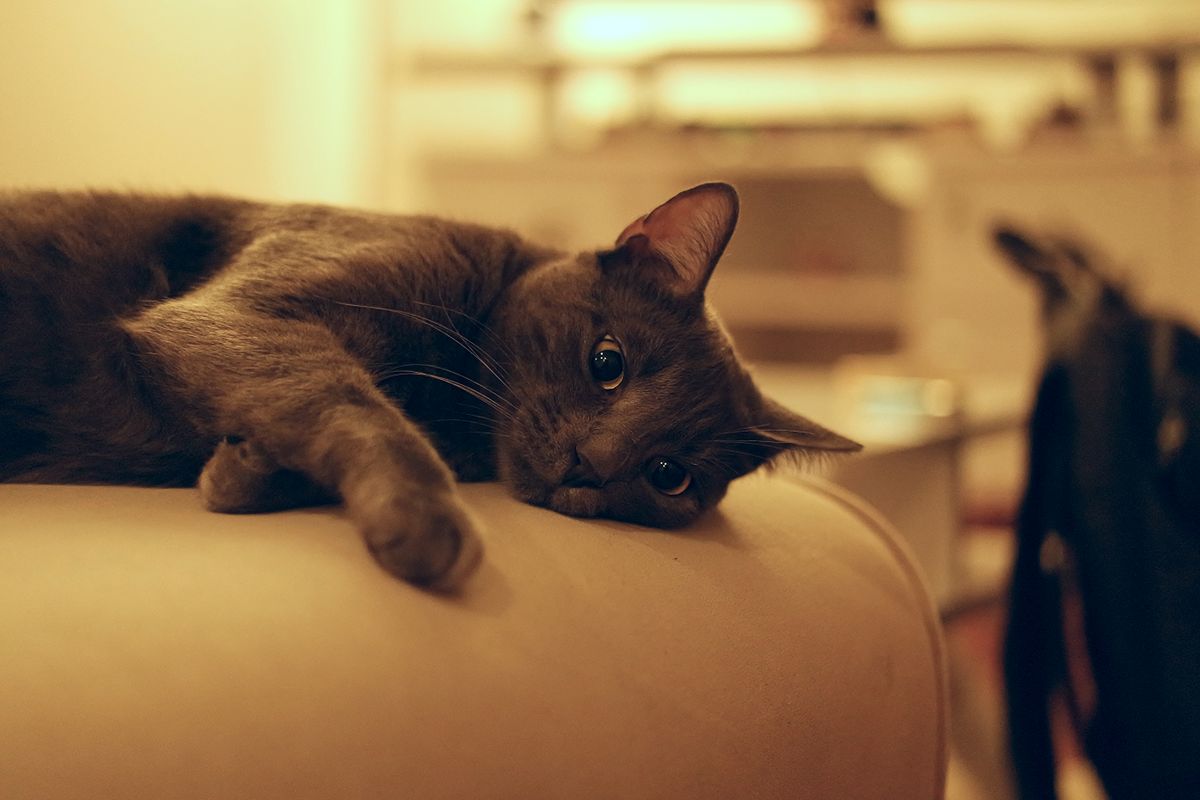
What triggers it, and why an Aussie winter makes it worse
Asthma triggers are almost all airborne: tobacco smoke, dust from litter, aerosol sprays and cleaning vapours, pollen, mould, and smoke from fireplaces and candles (Cornell; Cats Protection). An Australian winter stacks several of these together. Homes are sealed against the cold, wood heaters and open fires push fine smoke indoors, dust and dust mites build up in closed rooms, and in some regions winter hazard-reduction burns add smoke to the outside air too. For a cat with twitchy airways, that combination is a recipe for a flare.
Red flags: when it’s an emergency
Feline asthma can tip from a nuisance cough into a life-threatening attack, because a constricted airway can starve the cat of oxygen (Cornell). Treat it as an emergency and get to a vet straight away (phone ahead) if you notice any of these:
- Open-mouth breathing or panting (cats almost never pant. This is serious)
- Gums, lips or nose turning blue, grey or pale
- Fast, laboured breathing at rest. A calm or sleeping cat normally takes 15–30 breaths a minute; a resting rate consistently above 30 needs a vet promptly, and much faster, effortful breathing is an emergency
- The belly heaving with every breath, or wheezing you can hear across the room
- Neck stretched forward and body hunched low to the ground
- Weakness, staggering or collapse
These cats need oxygen and sedation to settle. This is not something to wait out at home (Cat Specialist Services). Find your nearest 24/7 emergency clinic before you need it and save its number in your phone.
How vets diagnose and treat it
There’s no single test for asthma. Your vet builds the picture from your description, a physical exam and chest X-rays, often ruling out other causes of coughing first (Cat Specialist Services; Merck Veterinary Manual). Costs vary a lot between clinics and with the tests needed, so ask for an estimate before the work-up.
Treatment usually pairs two medicines: a corticosteroid to calm the airway inflammation, and a bronchodilator to open the airways (Cornell; VCA; International Cat Care). Many cats do best on an inhaler delivered through a feline spacer such as an AeroKat with a small face mask, which targets the lungs and limits whole-body steroid effects (VCA). A spacer and inhaled medication usually cost more up front than oral prednisolone tablets, which are cheaper but less targeted for long-term use, so ask your vet to compare the ongoing costs for your cat. Your vet will tailor the plan to your cat. Never start, stop or change steroids on your own.
What you can do at home
You can’t cure asthma, but you can lower the trigger load: switch to a low-dust, unscented litter, keep aerosols and scented candles away from your cat, run the wood heater less or add an air purifier, vacuum soft furnishings often, and never smoke indoors (Cornell; Cats Protection). Keeping your cat warm and calm helps too, since cold air and stress can both set off a cough, a few indoor enrichment ideas go a long way on wet winter days.
Written by GoPetr Writer, the GoPetr editorial team, which checks every article against veterinary sources. General information only: this is not a substitute for veterinary advice. Consult a licensed Australian veterinarian for diagnosis or treatment specific to your cat.
Frequently asked questions
Can feline asthma kill a cat?
A severe attack can be fatal without prompt oxygen, because the airways can close off (Cornell), which is why blue gums or open-mouth breathing are a drop-everything emergency. Well managed, most asthmatic cats live full, comfortable lives.
Is it a hairball or asthma?
A hairball ends in a fur pellet and a quick recovery. Asthma is a dry, repeated cough that produces nothing, often with a wheeze and a crouched, neck-out posture (VCA; International Cat Care). If there’s no fur and it keeps happening, book a vet check.
Can I use a human asthma inhaler on my cat?
Only under veterinary direction and with a proper feline spacer and mask. The dose and device differ from human use (VCA). Don’t improvise.
Key takeaways
- A dry, repeated cough that brings up no fur is a red flag for feline asthma, not a hairball.
- Australian winters raise the risk: sealed homes, wood-fire smoke and indoor dust all irritate sensitive airways.
- Open-mouth breathing, blue gums or fast, laboured breathing at rest is an emergency: go straight to a vet. A resting rate consistently above 30 breaths a minute needs a prompt vet check.
- Asthma is managed, not cured, usually with a corticosteroid plus bronchodilator, often via a feline inhaler and spacer.
- Cut indoor triggers and keep your cat warm and calm to reduce flare-ups over winter.
Sources
- Cornell Feline Health Center: Feline Asthma
- Cat Specialist Services (Underwood, QLD): Feline Breathing Disorders
- VCA Animal Hospitals: Inhalant Treatment for Feline Asthma and Bronchitis
- Merck Veterinary Manual: Lung and Airway Disorders of Cats
- Cats Protection: Feline Asthma
- International Cat Care: Asthma and chronic bronchitis in cats