Written by GoPetr Writer, the GoPetr editorial team. General information only: this is not a substitute for veterinary advice. Every medical point below is linked to the veterinary source it came from. For diagnosis or treatment specific to your dog, consult a licensed Australian veterinarian.
Bloat (GDV) in dogs: the emergency Aussie owners need to recognise in minutes
Bloat, known to vets as gastric dilatation-volvulus, or GDV, is one of the fastest-moving emergencies a dog can face. The stomach fills with gas and then twists on itself, cutting off its own blood supply and trapping everything inside. Without surgery it can turn fatal within about an hour, according to Queensland’s Animal Emergency Service. The good news is that with early treatment more than 80% of dogs survive, so the single most useful thing you can do as an owner is recognise it fast and get moving.
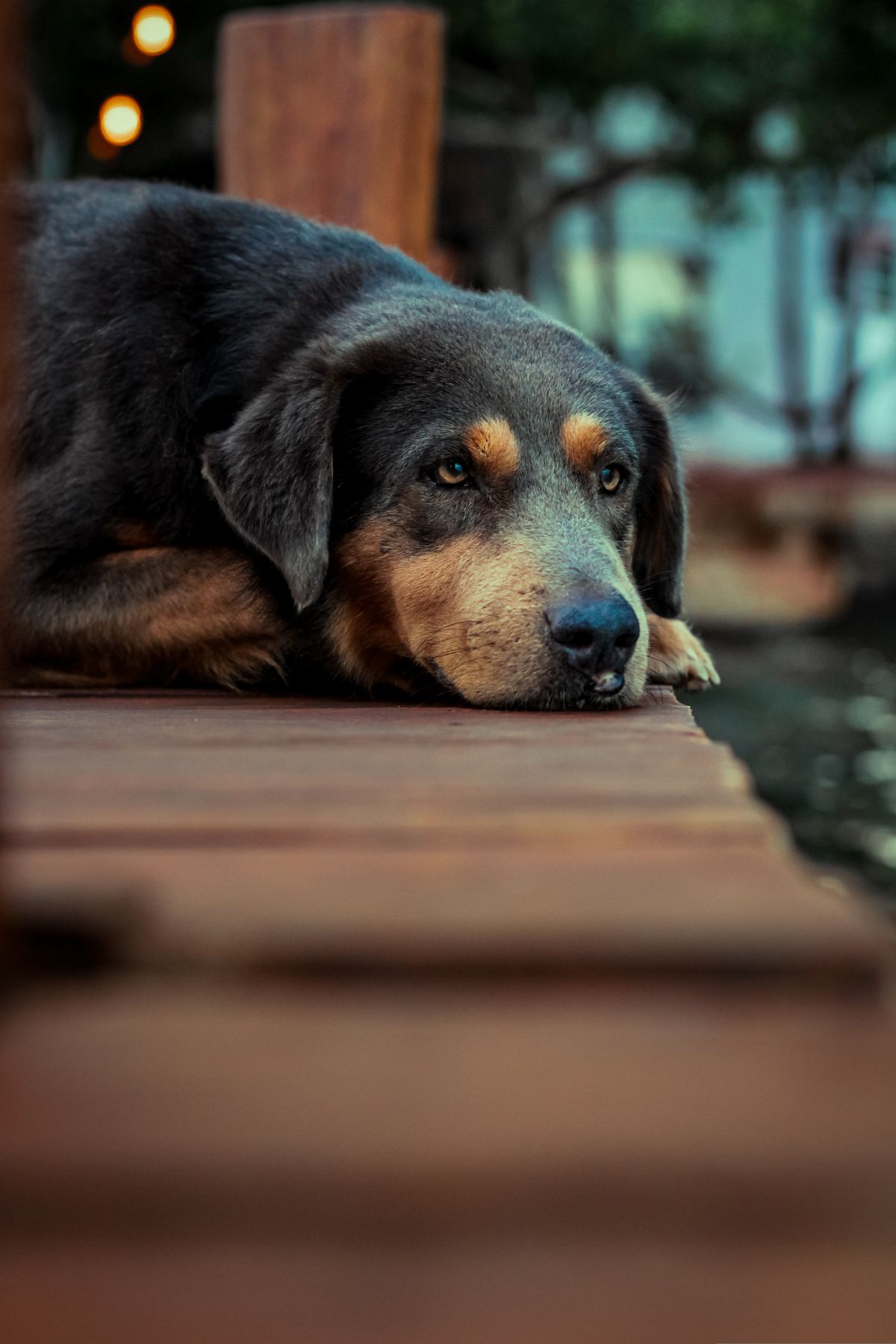
The warning signs, in the order they usually appear
GDV is commonly linked to the period after a meal, especially a large one. The Animal Emergency Australia team lists these clinical signs:
- A distended, firm belly that looks or feels swollen and tight
- Non-productive retching: the dog tries to vomit but nothing comes up, or only white froth
- Excessive drooling and lip-licking
- Panting, pacing and restlessness: the dog can’t settle and looks distressed
- Pale gums, weakness or collapse as shock sets in
You do not need to see every sign. A tight belly plus that unproductive retching is enough: treat it as an emergency and skip the “wait and see”.
Which dogs are most at risk in Australia
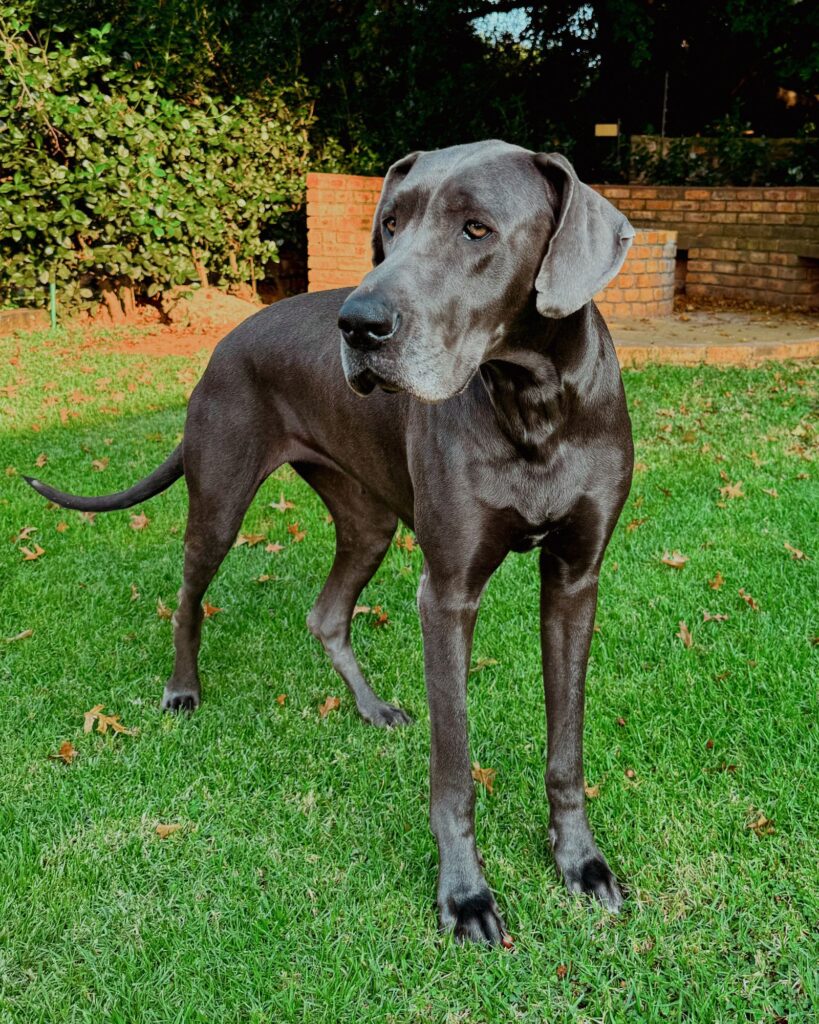
GDV mostly strikes large, deep-chested breeds: many of them common in Australian backyards. Over-represented breeds include the Great Dane, German Shepherd, Weimaraner, Dobermann, setters, Standard Poodle and the larger retrievers, as noted by Animal Emergency Australia and VCA Hospitals and the MSD Veterinary Manual. Age matters too: risk rises as dogs get older, and Animal Emergency Service reports that dogs over seven are more than twice as likely to develop GDV as dogs aged two to four (Animal Emergency Service). Some sources also say males are at higher risk, although the MSD Veterinary Manual finds no clear sex predisposition.
Emergency or monitor? A quick decision guide
Print this or save it on your phone. When it comes to a swollen belly and retching, minutes matter.
| What you see | What to do |
|---|---|
| Swollen, tight belly + repeated retching that brings up nothing (or white froth) | Go to an emergency vet immediately. This is the classic GDV picture: do not wait. |
| Pacing, restlessness, drooling and obvious distress after a meal | Ring your vet or the nearest emergency clinic now and drive in while you talk. |
| Pale gums, weakness, collapse or laboured breathing | Emergency: go straight in. The dog may be going into shock. |
| Mild single burp or one small vomit, then back to completely normal | Monitor closely for the signs above. If anything escalates, treat it as an emergency. |
What treatment involves, and what it costs
GDV is a surgical emergency. The vet first decompresses the stomach to relieve pressure, stabilises the dog for shock, then operates to untwist the stomach and stitch it to the abdominal wall (a gastropexy) so it can’t rotate again. Most dogs need three to five days of intensive hospital care afterwards, and Animal Emergency Australia puts the cost of that hospitalised care at roughly AUD $5,000–$8,000 (Animal Emergency Australia). It is worth thinking about how you’d cover a bill like that before you ever need to. Our guide on managing vet costs in Australia walks through the options.
How to lower your dog’s risk
You can’t change your dog’s breed or chest shape, but a few habits genuinely help (Animal Emergency Service):
- Feed two or more smaller meals a day rather than one large meal
- Slow down fast eaters with a slow-feeder bowl or a puzzle feeder
- Avoid vigorous exercise, excitement and stress directly before and after meals
- Skip cooked bones, which RSPCA Australia lists as dangerous for dogs. More on why cooked bones are risky
- Ask your vet about a preventive gastropexy for at-risk breeds, often done at the same time as desexing. Animal Emergency Service reports it can cut the risk by more than 90%. It stops the stomach twisting but does not prevent bloating itself (VCA Hospitals).
Frequently asked questions
Can small dogs get bloat?
It is far less common, but yes. Deep-chested large breeds dominate the cases, so any big dog with a swollen belly and unproductive retching should be treated as an emergency regardless.
How quickly do I need to act?
Immediately. Untreated GDV can be fatal within about an hour, and dogs showing signs for more than six hours before arriving face a tougher recovery (Animal Emergency Australia). Don’t wait for an appointment: go to the nearest emergency clinic.
Is a preventive gastropexy worth it?
For high-risk breeds it’s a conversation worth having with your vet. Because it can be combined with desexing surgery and dramatically lowers the chance of a future twist, many owners of Great Danes and similar breeds choose it. Your vet can advise what’s right for your dog.
Key takeaways
- GDV (bloat) can kill within about an hour: it is a true emergency, not a wait-and-see.
- The tell-tale combo is a swollen, tight belly plus retching that brings nothing up.
- Large, deep-chested breeds, older dogs and males are most at risk.
- Emergency surgery works (over 80% survive with prompt care) but expect an AUD $5,000–$8,000 hospital bill.
- Smaller meals, slow feeding, calm post-meal rest and a preventive gastropexy all lower the risk.