
By GoPetr Writer · Updated July 2026 · General information only: this article is researched from the veterinary sources linked throughout and is not a substitute for advice from a vet who has examined your cat.
If your cat is over seven, chronic kidney disease (CKD) is one of the health problems most likely to affect them, and one of the easiest to miss until it is well advanced. The reassuring part: it cannot be cured, but caught early, the right diet and monitoring can add years of comfortable life. Here are the early signs to watch for, how Australian vets diagnose it, what it costs to manage here, and when to pick up the phone.
What chronic kidney disease actually is
The kidneys filter waste from the blood, balance fluids and help control blood pressure. In CKD, that filtering ability fades slowly over months or years. It is very common with age: up to 40% of cats over 10 and around 80% of cats over 15 are affected, while International Cat Care puts it at around 20–50% of cats over 15. The damage is permanent, so treatment aims to slow the decline and keep your cat comfortable rather than reverse it. That makes CKD different from sudden (acute) kidney injury, such as lily or antifreeze poisoning, which strikes fast and is an emergency.
The early signs Australian owners miss
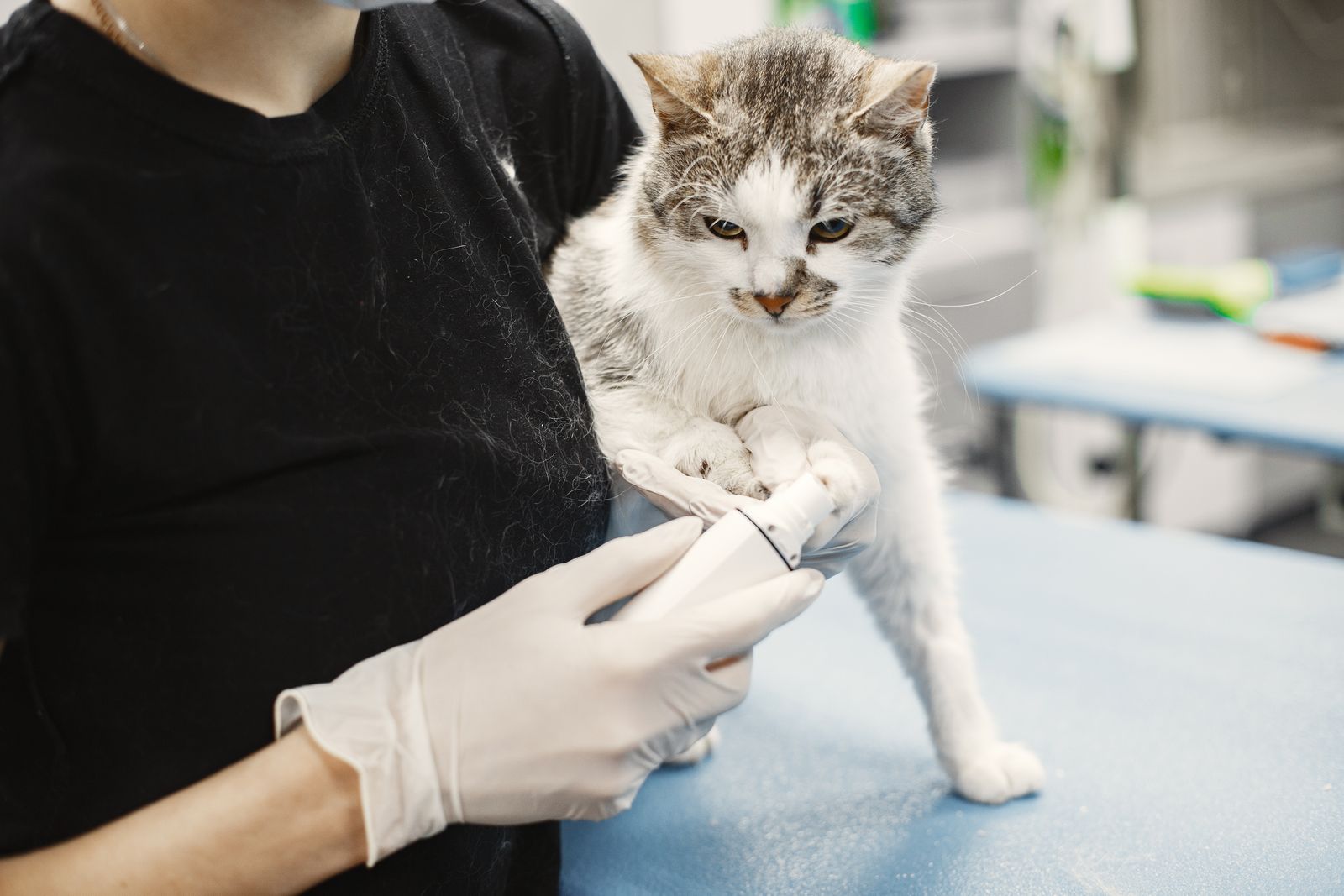
Cats compensate so well that early CKD often shows almost nothing; in the early stages it is very common for cats to show no obvious signs. The first hints are subtle and easy to blame on “just getting old”:
- Drinking and urinating more than usual: often the earliest clue, and a good reason to read our guide on a cat drinking too much water
- Gradual weight loss, sometimes despite a normal appetite
- A duller, less-groomed or scruffy coat
- Pickier eating, occasional nausea or vomiting
- Lower energy and more sleeping than usual
To be clear: none of these on its own proves kidney disease. But any of them in a cat over seven is worth a vet visit rather than a wait-and-see.
Call the vet now, or book a check? A quick guide
Book a routine appointment within a week or two if you notice slow changes:
- Creeping increase in thirst or trips to the litter tray
- Gradual weight loss or a coat that looks unkempt
- Mild fussiness about food or a little less energy
Contact a vet or after-hours clinic today if your cat:
- Has not eaten for 24 hours or more
- Is vomiting repeatedly or seems severely nauseous
- Is weak, wobbly or collapsed
- Is straining with little or no urine
- Is hiding away and clearly unwell
Not sure where to go? Ring your regular clinic first; if it is closed, its answering message will usually point you to the nearest after-hours emergency vet.
How Australian vets diagnose it
Diagnosis is straightforward and usually done at your regular clinic. It combines a blood test (creatinine and urea), an SDMA blood test, a urine sample (checking how concentrated it is, plus protein), and a blood-pressure reading. Two points matter for early detection. Standard creatinine often does not rise until roughly 75% of kidney function is already lost, whereas the newer SDMA marker can flag a problem earlier, on average from around a 40% loss. And because roughly 60% of cats with CKD also develop high blood pressure, a blood-pressure check is part of a proper work-up, a point Australian specialists at SASH also stress.
Staging and what it means
Australian vets and specialists stage CKD using the international IRIS system, which guides treatment and gives a rough sense of outlook (as SASH explains). Survival figures below come from the Cornell Feline Health Center and are averages, not predictions:
| IRIS stage | What it means | Typical average outlook |
|---|---|---|
| Stage 1 | Early damage, near-normal bloodwork | Often years with monitoring |
| Stage 2 | Mild loss, first subtle signs | Mean survival around 2–3 years |
| Stage 3 | Moderate loss, clearer signs | Months to a few years |
| Stage 4 | Severe loss | Often under 6 months |
Many cats do better than the averages suggest, particularly when the disease is found early and home care is consistent.
Managing kidney disease in Australia
There is no cure, but a great deal can be done, and the mainstay is a therapeutic kidney diet. Some studies show cats fed a prescription kidney diet live two to three times longer than those kept on standard food, making it the single most evidence-backed step you can take (echoed by both International Cat Care and SASH).
In Australia these diets are sold through vets and pet pharmacies. Common options include Hill’s Prescription Diet k/d, Royal Canin Veterinary Renal and Pro Plan Veterinary Diets NF; prices vary with brand, bag size and retailer, so compare current prices before you buy. Ask your vet which suits your cat, and switch gradually, as some cats resist the change.
Depending on the stage, your vet may add phosphate binders, blood-pressure medication such as amlodipine, an appetite stimulant, or treatment for anaemia. Keeping fresh water in several spots and offering wet food both help with hydration. Advanced cases can be referred to a specialist: Sydney’s SASH, for instance, runs a dedicated Bladder & Kidney Centre with dialysis. Because many older cats juggle more than one problem at once, arthritis is common too, budget for repeat blood and urine tests every few months to track progress.
The best move: catch it early
The strongest thing you can do is screen before symptoms appear. Australian clinics generally recommend a senior wellness check, including a blood screen, from about seven years of age, and your vet may suggest adding a urine test and checking more often as your cat ages. Early-stage CKD picked up on a routine screen gives you the most treatment runway, and that is when it makes the biggest difference.
Frequently asked questions
Can a cat recover from kidney disease?
Chronic kidney disease cannot be reversed because the damage is permanent, but it can be managed for months to years, especially when found early.
How much does it cost to manage in Australia?
It varies with the stage, but expect the ongoing cost of a therapeutic diet plus periodic blood and urine tests and any medications. Ask your clinic for an estimate tailored to your cat.
Does dry food cause kidney disease?
There is no strong evidence that dry food causes CKD. What is well supported is that once a cat has CKD, a therapeutic renal diet helps, and good hydration is important.
Key takeaways
- CKD is very common in cats over 10 and is usually silent in the early stages.
- Increased thirst, gradual weight loss and a scruffy coat are the classic early clues.
- Diagnosis is a simple blood test (including SDMA), a urine test and a blood-pressure check.
- A prescription renal diet is the most proven treatment and is widely available in Australia.
- Senior screening from age seven catches it early, when treatment works best.
About the author
GoPetr Writer writes about everyday pet health for GoPetr. We are not veterinarians; every health claim above is drawn from the veterinary sources linked throughout, and nothing here replaces advice from a vet who has examined your cat. Consult a licensed Australian veterinarian for diagnosis or treatment specific to your pet.