By GoPetr Writer · Updated 11 August 2026 · General information only, not a substitute for advice from a registered veterinarian. Every health claim below links to an authoritative source.
The first mild afternoons of spring bring the first snakes on the move. Across much of Australia snake activity climbs from around September to April, and in northern regions it can start as early as August, according to Petcover. For a curious dog or cat, that is the window to get your yard and your walking routine sorted: before a close call, not after. The short version: cut the hiding spots in your yard, keep dogs on lead near long grass, and learn the early signs so you can get to a vet fast.
Why snake season is a genuine risk for pets
Dogs and cats get bitten because they investigate, paw at and chase things that move, which is exactly the wrong instinct around a snake. Tiger snakes and eastern brown snakes cause most venomous bites in Australian cats and dogs, though red-bellied black snakes, death adders and taipans are also a serious risk.
Here is the figure worth remembering. University of Queensland-led research reported that, without antivenom, only about 31% of dogs survive an eastern brown snake bite, while cats are roughly twice as likely to survive at about 66%. Cats’ partial edge appears to be partly biological (in lab tests, venom clotted dog blood faster than cat blood), not a reason to relax. A bitten cat is still an emergency. What both numbers really show is that prevention and speed to a vet do the heavy lifting.
Snake-proof your yard: the checklist
You can’t snake-proof an entire property, but you can make your yard far less inviting. These steps come from Petcover and the RSPCA:
- Mow lawns and trim long grass, edges and garden beds so snakes lose their cover.
- Clear woodpiles, sheet metal, rockeries and garden debris: classic shelter spots.
- Store pet and bird food in sealed containers and clean up spills. Food draws rodents, and rodents draw snakes.
- Cover compost and secure aviaries and chicken coops for the same reason.
- Remove standing water and puddles, and don’t leave low water bowls out on hot days that a thirsty snake might use.
- If you back onto bush, a creek or a reserve, consider snake-proof mesh fencing.
- Supervise pets outdoors in the early morning and late afternoon, when snakes are often most active.
Safer walks when snakes are about
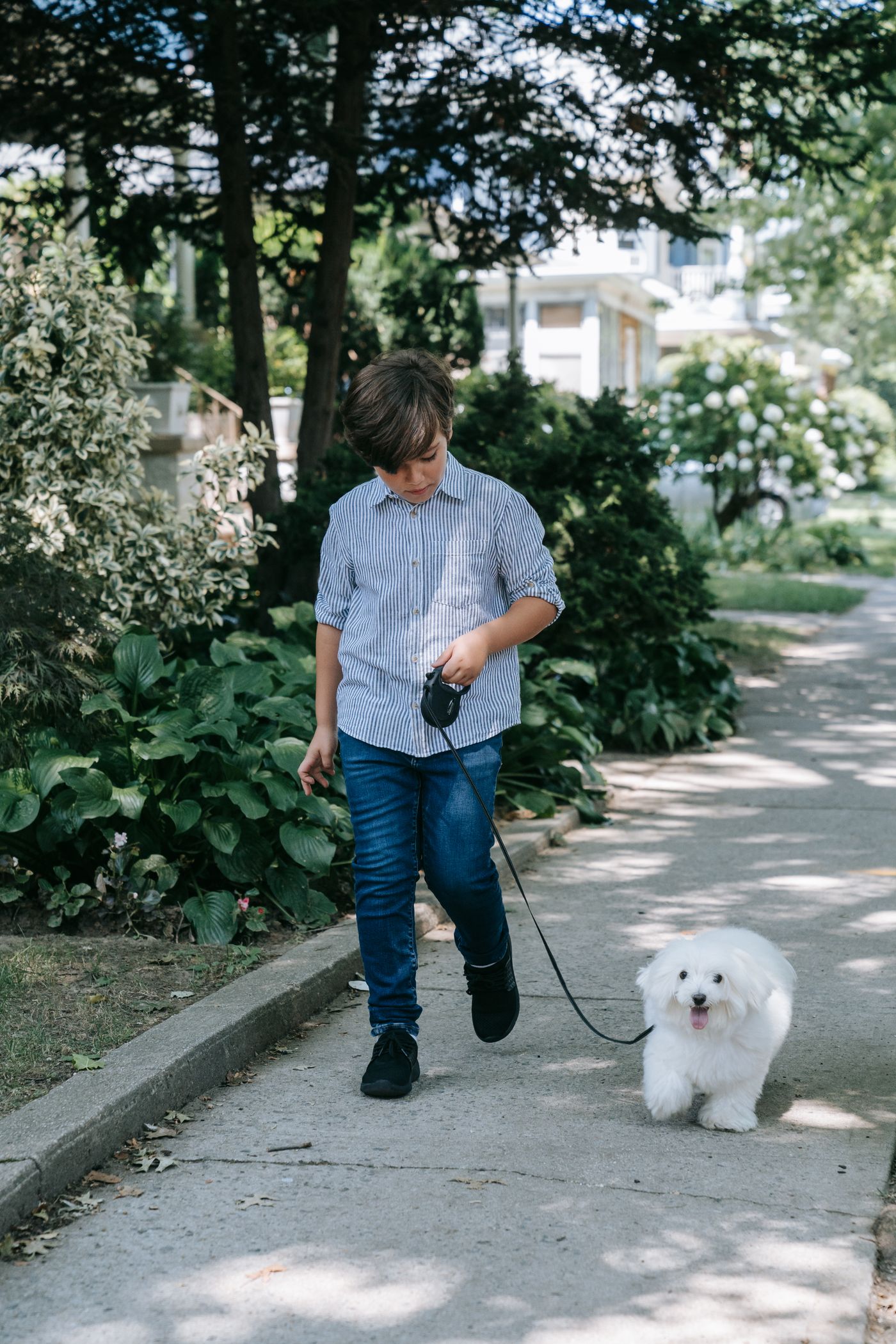
- Keep dogs on a short lead near long grass, creek lines, rocks and bush tracks. For off-lead time, choose open, mown areas away from tall grass.
- Don’t let your dog nose into holes, hollow logs or thick leaf litter.
- Snake-avoidance training is offered by some Australian trainers. Treat it as one layer of protection, not a guarantee, because a trained dog can still be bitten.
- If you spot a snake, calmly move your pet away and give the snake room to leave.
Never try to catch or kill a snake. Most snake species are protected in Australia, and the RSPCA advises keeping people and pets away and calling a licensed snake catcher to relocate it. The same care applies to other spring hazards worth reading up on, from paralysis ticks to magpie swooping season on your walks.
Know the signs, and the first 10 minutes
Signs of a venomous bite in pets can include the following, drawn from the RSPCA and Petcover:
- Sudden weakness or collapse, sometimes followed by an apparent “recovery”
- Wobbliness, muscle twitching or trembling, and reduced blinking
- Vomiting, drooling or dilated pupils
- Rapid or laboured breathing
- Dark or blood-tinged urine, and pale gums
Deterioration can be fast. Emergency vets report that serious cases can go from clinically normal to complete respiratory paralysis within 2 to 5 minutes, per Animal Emergency Australia. If you suspect a bite:
- Keep your pet as still and calm as possible: movement spreads venom faster.
- Carry them to the car rather than letting them walk, if you can.
- Phone your vet or the nearest emergency clinic now and say you’re on the way, so they can prepare antivenom.
- If the bite is on a limb and you can see it, apply a firm pressure bandage above, over and below the site; if it’s on the face or neck, remove the collar in case of swelling.
- Do not wash or cut the wound, never try to suck out venom, and don’t use a tourniquet or ice. These measures don’t help and can cause harm (MSD Veterinary Manual).
The single most important message is to get to a vet quickly: the RSPCA notes the chance of recovery is much greater when treatment starts early. For a printable emergency rundown, see our snake-bite first-aid guide.
What treatment can cost in Australia
Many pets survive snakebite when treated promptly, but care is intensive and can be costly. PetSure claims data from 2022 put the average snakebite treatment at about A$1,950 for dogs and A$2,200 for cats. The most expensive claims, often cases needing ventilation and several vials of antivenom, reached about A$25,000 for a dog and A$10,000 for a cat. It is a good reason to weigh up pet insurance or an emergency fund before the season peaks.
Frequently asked questions
When is snake season in Australia?
Roughly September to April, with the peak in the warm months. Northern regions can see activity from August, while southern states tend to peak closer to November, according to Petcover.
Are cats or dogs more at risk?
Both are commonly bitten. University of Queensland-led research found cats have higher survival odds than dogs after brown snake bites, but a bitten cat still needs emergency veterinary care.
Can I just treat a bite at home?
No. Home first aid only buys minutes to reach help. Antivenom and supportive care are vet-only, and the RSPCA advises going straight to a clinic.
Should I try to identify the snake?
Don’t chase or handle it. Note the colour and rough size from a safe distance only; venom detection kits exist in Australia, though the MSD Veterinary Manual notes they are not often used for pets, so your vet will mostly go on the signs.
Key takeaways
- Snake season runs about September to April, starting as early as August up north.
- Cut hiding spots and food sources in your yard, and keep dogs on lead near long grass.
- Learn the early signs (sudden weakness, twitching, drooling, dark urine) and act within minutes.
- Keep your pet still, call ahead, and get to a vet fast; early treatment saves lives.
- Budget realistically: treatment averages around A$2,000 and can climb far higher.
About the author: GoPetr Writer is the GoPetr editorial team, which covers everyday pet care for GoPetr. We are not veterinarians; this article is general information only, and every medical point above is linked to an authoritative source. For diagnosis or treatment specific to your pet, consult a licensed Australian veterinarian.