H5 bird flu arrived in Australia in June 2026, and it has been in the news ever since. If you share your home with a dog or a cat, it is natural to wonder what it means for them. The short answer is that the risk to most pets is low, but it is not zero, and cats need a bit more care than dogs. This guide explains where things stand, how pets could be exposed, the signs to watch for, and the simple habits that keep the risk down for your animals, your backyard chooks and local wildlife.
Where things stand in Australia
Bird flu is the everyday name for avian influenza. The strain causing concern is high pathogenicity H5N1 avian influenza, clade 2.3.4.4b, which has spread around the world since 2021 and has affected wild birds and more than 100 mammal species overseas. Australia was the last inhabited continent without it until June 2026, when it was first confirmed in a brown skua near Esperance in Western Australia, followed soon after by a southern giant petrel on South Australia’s Fleurieu Peninsula.
The situation has moved quickly since then. As of early October 2026, the Australian Veterinary Association, drawing on federal government data, reports more than 670 confirmed H5 bird flu events in wildlife. South Australia has the most, followed by Victoria, with further detections in New South Wales, Tasmania, Western Australia and Queensland. Most cases have been in seabirds and shorebirds, and there is evidence of some local spread among wild birds in southern Australia.
The virus has also been found in a small number of wild mammals. Wildlife Health Australia confirmed the first mammal case in a long-nosed fur seal at Beachport, on South Australia’s Limestone Coast, in August 2026, and a red fox in metropolitan Adelaide later became the first land mammal case. Authorities have reported no evidence of mammal-to-mammal spread here.
Just as importantly, here is what has not happened, as of early October 2026:
- No detections in commercial poultry or the wider agriculture industry.
- No confirmed cases in pet dogs or cats in Australia.
- No human infections with this strain in Australia. Health authorities rate the risk to people as low.
Because this situation changes week to week, check the latest figures on the official H5 bird flu pages from the Department of Agriculture, Fisheries and Forestry (agriculture.gov.au) or outbreak.gov.au before acting on any number you read, including the ones here.
Can dogs and cats catch bird flu?
Yes, both can be infected, but the picture is very different for the two species.
Cats are the pets most at risk
Overseas, cats have proven highly susceptible to H5N1 and often become severely ill. The Cornell Feline Health Center notes that up to 70% of infected cats die of their infections. Most overseas cases trace back to a few exposure routes:
- Hunting, catching or eating infected wild birds
- Eating raw or freeze-dried meat products, including contaminated raw pet food
- Drinking unpasteurised (raw) milk
- Contact with infected birds, livestock or contaminated clothing and footwear
In the United States, several commercial raw cat foods have been recalled after H5N1 was found in them, and some cats that ate these products died. That is the main reason vets are asking owners to think carefully about raw feeding.
Dogs are much less likely to get sick
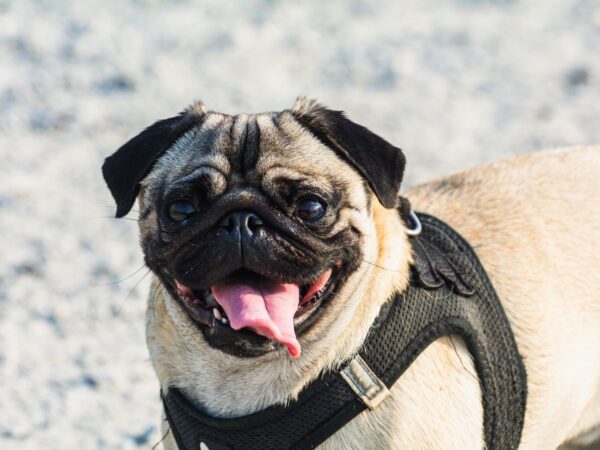
Dogs can be infected, but they appear far less vulnerable to severe illness, and confirmed cases worldwide are rare. Many infected dogs show mild signs or none at all. The realistic risk for a dog comes from mouthing, eating or rolling in a dead bird or animal, which is why lead control near wildlife matters.
Signs to watch for
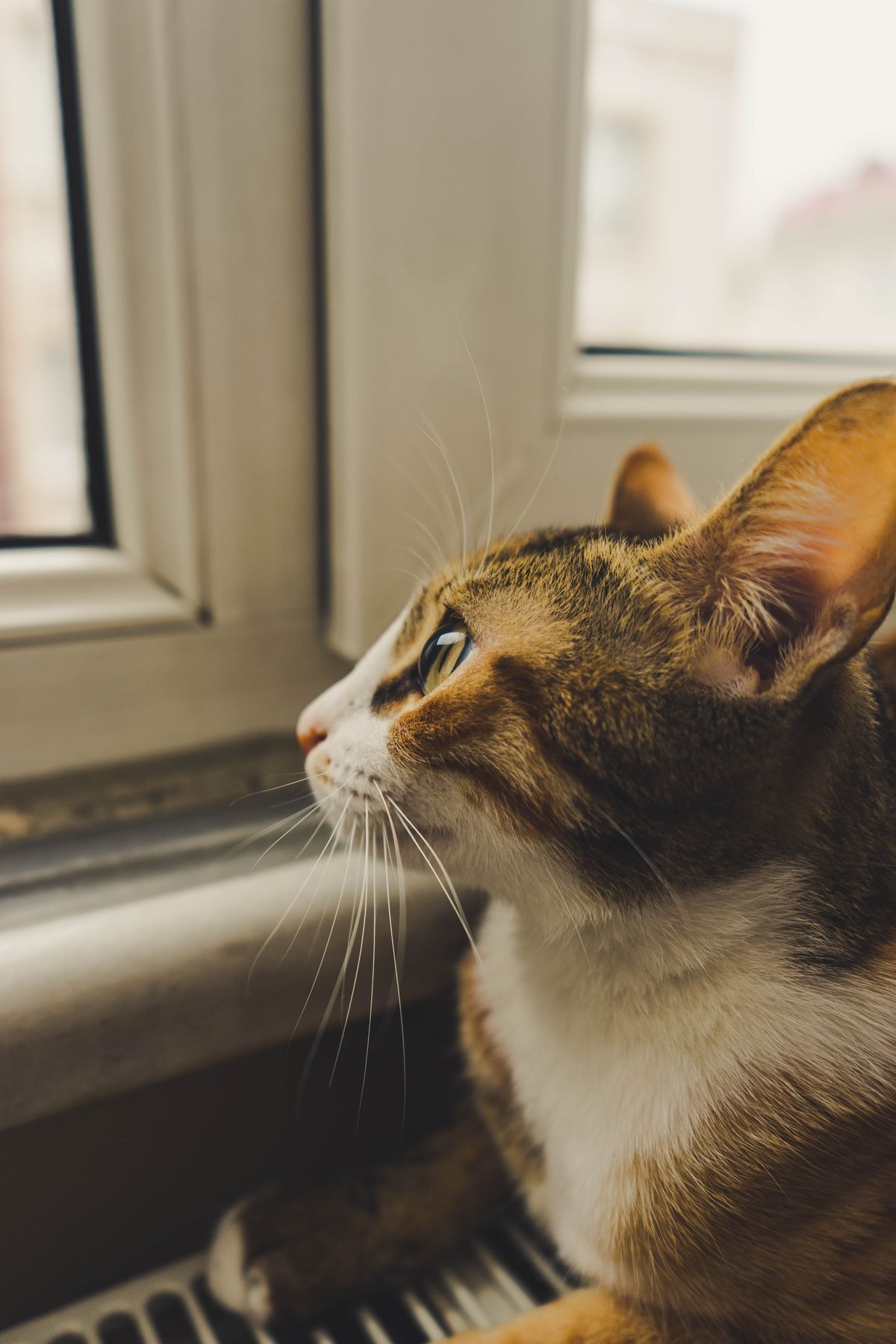
In cats, early signs are often vague: fever, low energy and loss of appetite. According to Cornell, these can worsen quickly to include eye and nose discharge, sneezing, coughing and difficulty breathing, then neurological signs such as wobbliness, tremors, seizures or sudden blindness. Dogs, when they do get sick, may show fever, lethargy, coughing, or discharge from the eyes and nose.
Keep this in proportion. These signs overlap with far more common illnesses, such as cat flu in cats and kennel cough in dogs, so on their own they do not mean bird flu. What matters is the combination of illness and possible exposure. If your pet becomes unwell after contact with a wild bird, a dead animal or raw poultry, ring your vet, mention the possible exposure, and call ahead so the clinic can prepare before you arrive.
| Situation | What to do |
|---|---|
| Healthy pet, no bird contact | Carry on as normal and follow the prevention steps below |
| Pet sniffed a live wild bird but seems well | Wash your hands, keep your pet away from birds and watch them for a few days |
| Pet mouthed, carried or ate a sick or dead bird or animal | Phone your vet for advice, even if your pet seems fine |
| Breathing trouble, wobbliness, tremors, seizures or collapse | Treat as an emergency and contact your vet or an emergency clinic now |
How to protect your cat
- Keep cats indoors or in a secure enclosure. This is the single most effective step, and it protects local birdlife at the same time. A catio or cat enclosure gives an indoor cat fresh air without the hunting.
- Skip raw poultry, raw meat diets and raw milk while H5 bird flu is circulating. Commercially prepared complete food or properly cooked meat is the lower-risk choice. If you feed raw for other reasons, talk it through with your vet.
- Do not leave pet food or water outside, where it attracts wild birds and other animals.
- Wash your hands after handling raw meat, birds, bird baths or chicken coops, and before handling your cat, its bowls or its litter.
Many councils now have cat curfews or containment rules anyway. Our guide to cat containment and curfew laws explains what applies where you live, and our indoor cat enrichment guide helps a contained cat stay happy.
How to protect your dog
- Keep dogs on a lead near beaches, wetlands, lakes and rivers where waterbirds gather, even in off-leash areas if birds are about.
- Stop your dog chasing birds or investigating, eating or rolling in carcasses and droppings. A solid recall is worth practising.
- Keep foxes and wildlife out of reach. The AVA notes that foxes can carry infected carcasses long distances, so secure your bins and food scraps.
- Feed commercial or cooked food and avoid raw or undercooked poultry.
Everyday beach and park walks are still fine. A lead near birds and a firm “leave it” remove most of the risk.
Backyard chooks and pet birds
Bird owners have the most to gain from good everyday biosecurity. Keep feed and water under cover so they do not draw wild birds, limit your flock’s contact with waterbirds and their droppings, and quarantine any new or returning birds before they join the flock. Wash your hands and change or clean your footwear before and after tending the coop.
Watch for sudden deaths, swollen heads, purple discolouration of the comb or wattles, breathing trouble or a sudden drop in egg laying. Avian influenza is a nationally notifiable disease, so suspected cases in poultry must be reported.
Found a sick or dead bird? Avoid, Record, Report
Australia’s official advice is easy to remember:
- Avoid touching sick or dead wild birds or animals, and keep children and pets well away.
- Record the location, and take a photo from a safe distance if you can.
- Report it to the Emergency Animal Disease Watch Hotline on 1800 675 888, which runs 24 hours a day nationwide.
Report unusual numbers of sick or dead birds, dead seabirds or birds of prey, and any dead seals or other marine mammals. Spring and early summer bring migratory shorebirds back to Australian coasts and wetlands, so this is a habit worth keeping.
What about people?
Bird flu does not spread easily to people, no infections with this strain have been reported in Australia, and person-to-person spread of H5 has not occurred here. The AVA notes that H5 is not a food safety risk for chicken meat and eggs when they are handled and cooked correctly. Basic hygiene, such as washing your hands after handling raw meat, animals or bird areas, keeps the risk low. If you feel unwell after contact with sick birds or animals, see your GP and mention it.
Frequently asked questions
Is it safe to walk my dog on the beach right now?
Yes. Keep your dog on a lead where birds gather, steer them away from any carcasses, and you have removed most of the risk. Report any dead birds or seals you see to 1800 675 888.
Can my indoor cat catch bird flu?
The risk is very low for an indoor cat that has no contact with wild birds and is not fed raw poultry, raw meat diets or raw milk. Keeping your cat inside and feeding commercial or cooked food keeps it that way.
Do I have to stop raw feeding completely?
Raw poultry and unpasteurised milk are the most plausible way a pet could be exposed at home, and overseas some raw pet foods have been recalled after H5N1 was found in them. The lower-risk option while the virus is circulating is commercially prepared complete food or properly cooked meat. Speak to your vet about what suits your pet.
Is there a bird flu vaccine for pets?
No. Routine dog and cat vaccinations do not cover avian influenza, so protection comes from avoiding exposure. Keeping regular vaccinations up to date still supports your pet’s general health.
Can I catch bird flu from my pet?
Human cases are rare worldwide and none have been reported from this strain in Australia. Wash your hands after handling animals, especially sick ones, and see your GP if you become unwell after contact with a sick pet, bird or other animal. Our separate guide on whether dogs can get bird flu covers dogs in more detail.
Key takeaways
- As of early October 2026, H5 bird flu has been confirmed in more than 670 wildlife events across six states, plus a seal and a fox, but not in Australian poultry, pets or people.
- Cats are the pets most at risk and can become severely ill. Keep them indoors or in an enclosure and off raw poultry, raw meat diets and raw milk.
- Dogs are much less vulnerable. Keep them on a lead near waterbirds and away from carcasses.
- Bird keepers should cover feed and water and tighten everyday biosecurity.
- Avoid, Record, Report: call 1800 675 888 about sick or dead wild birds or animals.
- If your pet is unwell after possible bird contact, phone your vet and mention the exposure.
This article is general information for Australian pet owners and is not a substitute for advice from a registered veterinarian. The bird flu situation changes quickly, so check official government updates for the latest information, and contact your vet if your pet is unwell.