
By GoPetr Writer · Updated 15 August 2026 · General information only, not a substitute for advice from your own vet.
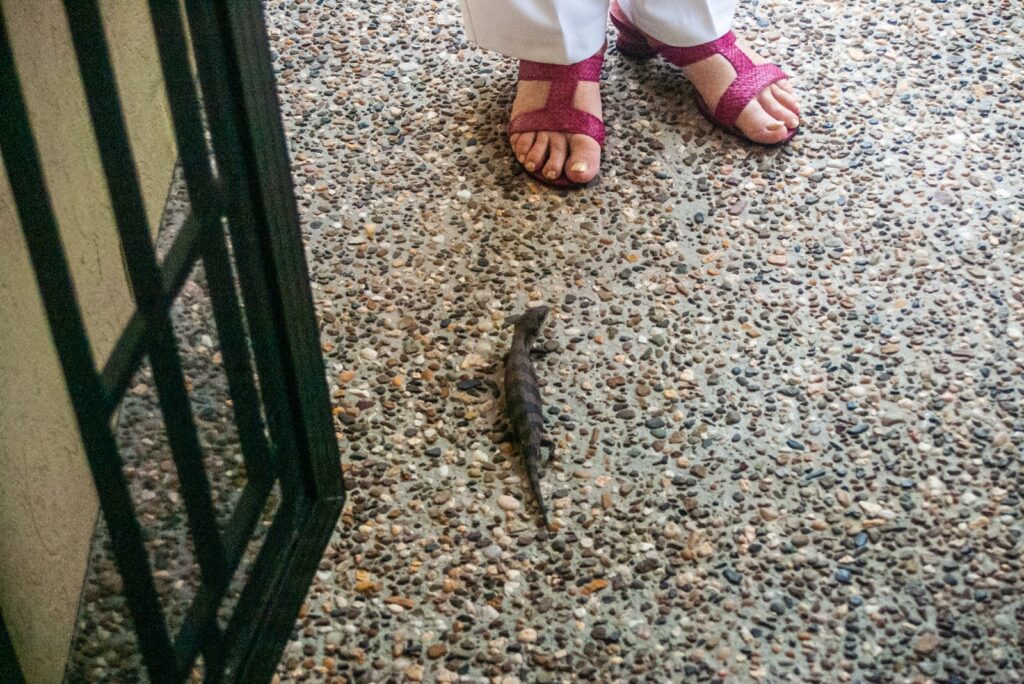
Spring is when Australian backyards come back to life, and one of the first natives to reappear is the blue-tongue lizard, blinking in the sun after months of brumation. If you own a dog, that first sighting often comes with a jolt of panic: your dog has one cornered by the shed, or worse, already in its mouth. Here is what actually matters, and what to do.
Are blue-tongue lizards dangerous to dogs?
The short answer is no, not through venom. The eastern blue-tongue (Tiliqua scincoides) is a non-venomous skink. As the Australian Museum explains, a bite from an adult “can cause pain, break the skin and leave a bruise but there is no venom and hence no long-term ill effect.” The bright blue tongue and the open-mouthed hiss are largely bluff: a defence display meant to scare off predators, according to the South Australian Government, which also notes your dog can do more harm to a blue-tongue than the other way around. In a stand-off between a dog and a blue-tongue, the lizard is almost always the one in danger.
| Common worry | The reality |
|---|---|
| Blue-tongues are venomous | Non-venomous: the blue tongue is a bluff, not a weapon |
| A bite will poison my dog | There is no venom; the real concern is a bacterial infection, not a toxin |
| They are a garden pest to remove | A protected native that eats snails and slugs for you |
What to do if your dog grabs or eats a blue-tongue
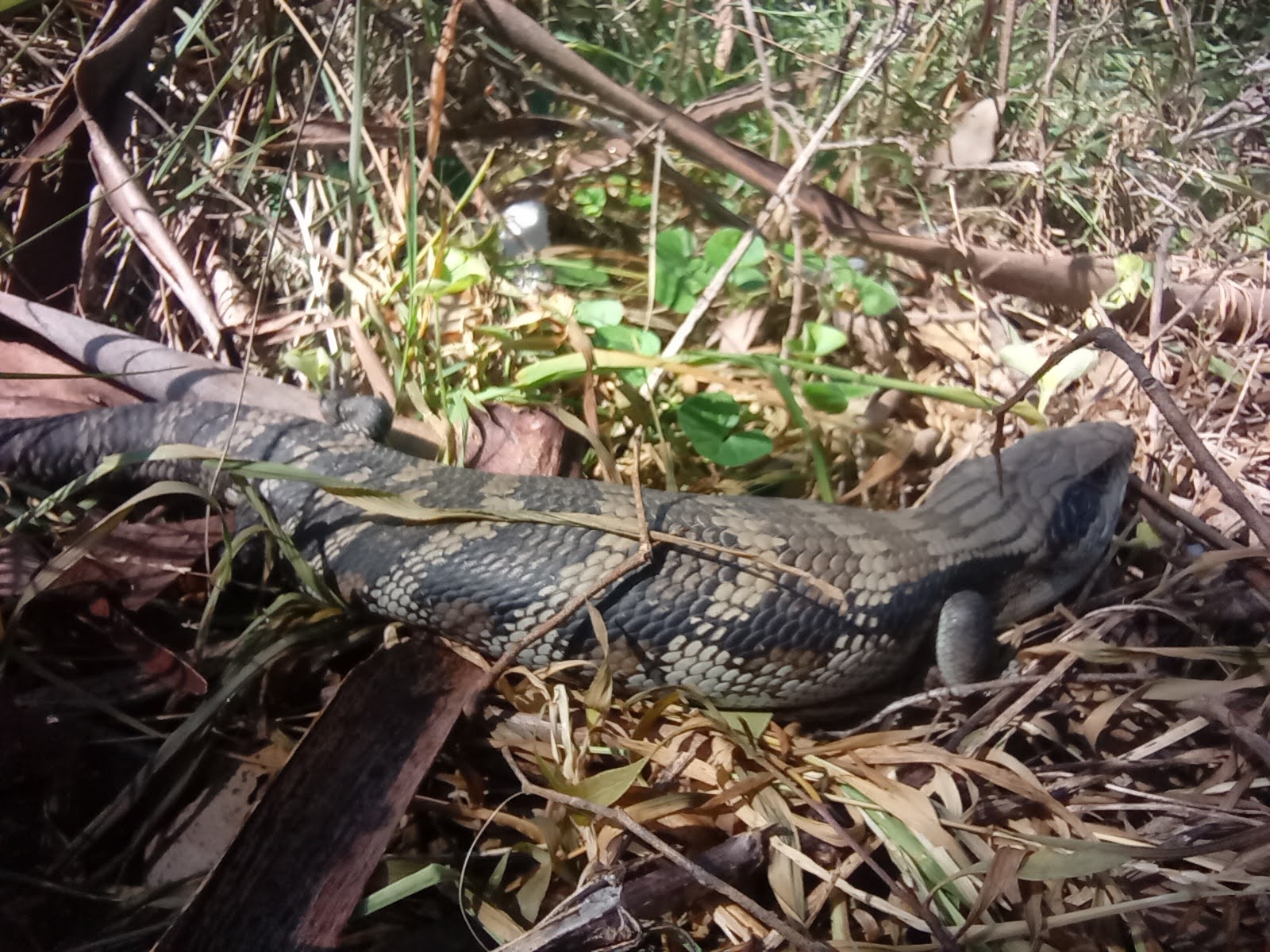
Even without venom, a mouthful of lizard is not nothing. Reptiles can carry bacteria, and Australian vets report that dogs can develop infections or stomach upsets after biting or swallowing one. A large lizard eaten whole can also irritate the gut. Stop your dog worrying the animal, rinse any obvious wound, and then keep a close eye on your dog over the next day or two.
Call your vet now if your dog:
- has a deep, bleeding or clearly infected bite wound
- is vomiting repeatedly, drooling heavily or pawing at its mouth
- becomes lethargic, goes off its food or has ongoing diarrhoea
- swallowed a whole lizard and then strains, bloats or seems in pain
If the contact was brief and your dog seems bright and normal, you can usually monitor at home, but a quick call to your clinic is worth it when you are unsure. Vets recommend a check even if the bite looks minor, because early treatment heads off infection. When in doubt, call. Consult a licensed veterinarian for diagnosis or treatment specific to your pet.
The bigger spring risk in your garden: snail bait
Here is the twist. The thing most likely to harm both your dog and the lizard this spring is not teeth: it is snail bait. As gardens wake up, slugs and snails multiply and metaldehyde pellets reappear on shelves. The Animal Poisons Helpline warns that dogs find these baits appetising and will eat “an entire box” if given the chance, and that a large dose “may result in life-threatening poisoning.” Blue-tongues are natural snail control, and a lizard that eats poisoned snails can die too. Be wary of “pet friendly” labels: the helpline lists iron as one of the common active ingredients in snail baits and notes that bittering agents and pet-friendly claims do not reliably stop dogs eating a dangerous amount. Hand-picking snails, beer traps or simply letting the local blue-tongue do its job are safer for everyone. If you suspect your dog has eaten bait, ring the Animal Poisons Helpline on 1300 869 738 (24/7; consultation fees may apply) or your vet straight away. For more, see our guides to snail bait poisoning in dogs and common spring garden poisons.
Please protect the lizard, too
Blue-tongues are a protected native species across Australia, and it is against the law to harm, kill or take one from the wild without a permit, as the South Australian Government and RSPCA both note. Beyond the law, they are slow-moving, long-lived and genuinely useful in a garden. If your dog has injured one, do not try to nurse it yourself: contain it gently in a ventilated box and call a vet or a licensed wildlife rescue (such as WIRES in NSW, or your state’s wildlife service) for advice. Supervising your dog around known basking spots (rockeries, woodpiles and warm pavers) during the first warm weeks is the simplest fix of all.
When to expect them, and how to share the yard
Blue-tongues emerge from brumation as the weather warms (in South Australia, typically by late September or early October, earlier in warmer parts of the country), and spend their mornings basking before foraging in the warmer part of the day. A few easy habits keep the peace: glance around the yard before letting an excitable dog out first thing, clear low hiding spots near the back door, and never use snail or rat bait where pets or wildlife roam. If snakes also share your garden, our dog and cat snake-bite first aid guide is worth a read as the reptile season ramps up.
Frequently asked questions
Are blue-tongue lizards poisonous to dogs?
No. They are non-venomous. The real risks are a painful bite, a possible bacterial infection, or gut upset if a large lizard is swallowed, so watch your dog and call your vet if anything seems off.
My dog bit a blue-tongue, will it be okay?
Usually yes. Most dogs are fine, but because reptiles can carry bacteria, an Australian vet check is recommended even if the bite looks minor, particularly if the skin is broken.
Should I remove blue-tongue lizards from my yard?
No. They are protected natives and excellent snail control. Manage your dog’s access to them instead, and skip the snail bait.
Key takeaways
- Blue-tongue lizards are non-venomous; the blue tongue is a bluff, not a threat.
- The danger to your dog is bacterial infection or gut upset, not poison: monitor, and see a vet if the skin is broken or your dog is unwell.
- Snail bait is the real spring hazard for dogs and lizards alike; even “pet friendly” baits can poison dogs, so avoid them where pets roam.
- Blue-tongues are protected natives: supervise your dog and do not harm the lizard.
Sources
- Australian Museum: Eastern Blue-tongue Lizard
- Government of South Australia (Good Living): Backyard blue-tongues
- Rossmore Veterinary Hospital: Dogs and blue-tongue lizards
- Animal Poisons Helpline: Snail baits and pets
- RSPCA Knowledgebase: Reptiles and the law
About this article: written by GoPetr Writer as general information for Australian pet owners. It has been checked against the authoritative sources linked throughout and is not a substitute for advice from a registered veterinarian. In an emergency, contact your vet or the Animal Poisons Helpline on 1300 869 738.