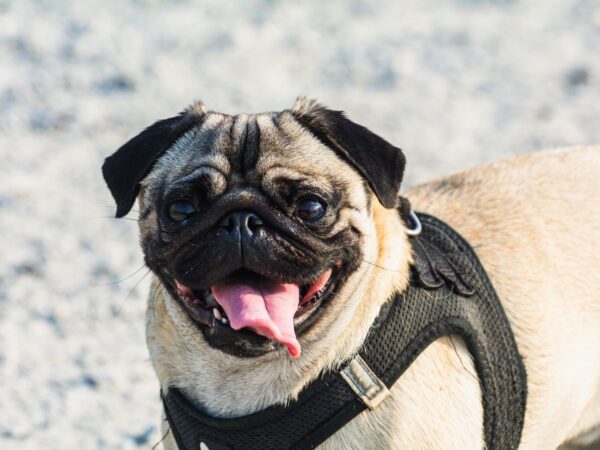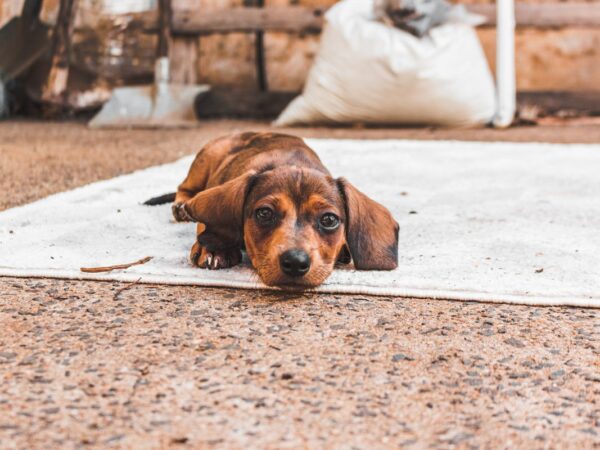
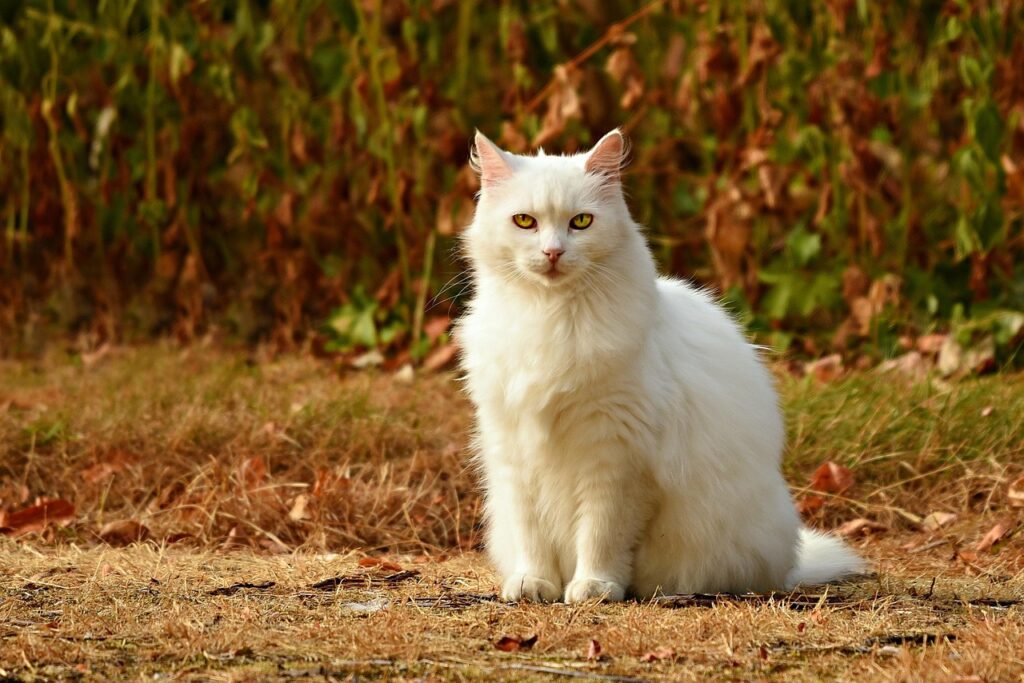
On a clear day in late winter the air still feels cool, yet the UV climbing over Australia is already strong enough to burn. That goes for us, and it goes for the dog stretched out on the deck and the cat dozing on a sunny windowsill. Here is what the sun actually does to pets, which ones are most at risk, and the simple steps that keep them safe.
Can dogs and cats get sunburnt?
Yes. Dogs and cats can and do get sunburnt, and the pets most at risk are those with white, pale, thin or missing fur: think white cats, pink-nosed dogs and short-coated breeds. The damage shows up first where there is the least fur: the tips of the ears, the bridge of the nose, the eyelids, the belly and the groin (RSPCA SA). A cool day is no protection either: UV can be just as high on a cold, clear day as a hot one, so it pays to check the UV level rather than the temperature (Cancer Council Australia).
Which pets are most at risk?
Not every pet needs sun cream, but some are far more vulnerable than others. Coat colour, coat thickness and how much time your pet spends in direct sun all matter.
| Higher risk | Why |
|---|---|
| White or pale coats with pink noses and ears | Little pigment to absorb UV, so skin burns faster |
| Thin or short coats: Staffies, Bull Terriers, Dalmatians, Whippets | Fur offers little shade to the skin |
| Hairless breeds: Sphynx cats, Chinese Crested dogs | Skin is fully exposed |
| Cats that sunbake on windowsills or roam outdoors | Repeated, prolonged UV on the same spots |
| Older pets and those with existing skin conditions | Skin is more easily damaged over time |
The numbers are sobering: according to Greencross Vets, white cats are around 18 times more likely to develop skin cancer than other cats, with ginger cats not far behind.
From sunburn to skin cancer: what to watch for
Repeated sunburn is not just uncomfortable. Over time UV damages skin cells and can lead to skin cancer, most commonly squamous cell carcinoma, or SCC (Cat Protection Society of NSW; Greencross Vets). In light-coloured cats it usually appears on the ear tips, nose and eyelids as sores or scabs that can look like scratches, sometimes with hair loss or over-grooming of the area (Cat Protection NSW). In dogs, sun-related SCC tends to show up on thinly haired spots such as the nose, ears and belly (Greencross Vets).
Have your vet check any of the following:
- A scab, sore or ulcer that hasn’t healed within about a month
- Red, crusty or flaky skin on the ear tips, nose or eyelids
- A sore that comes and goes on the same spot
- Any new lump, or an existing one changing in size, shape or colour
- Hair loss, or persistent scratching or over-grooming of the ears and nose
Sun damage isn’t the only reason for spring skin trouble. If the itch looks more like an allergy, our guides to spring allergies in dogs and itchy spring skin in cats may help, and heavier seasonal shedding is usually normal rather than a sign of illness.

How to protect your pet from the Australian sun
Australia gets some of the highest UV levels in the world, and the same sun behind one of the world’s highest human skin-cancer rates reaches our pets too (Cancer Council; SunSmart). A few everyday habits make a real difference:
- Follow the UV, not the thermometer. Cancer Council advises sun protection whenever the UV Index reaches 3 or above; check the free SunSmart app or the Bureau of Meteorology’s sun protection times (Cancer Council).
- Avoid peak hours. Keep vulnerable pets out of direct sun during the strongest part of the day, roughly 10am to 4pm (Cancer Council). Cat Protection NSW suggests keeping white or light-nosed cats indoors, or at least inside between 11am and 4pm (Cat Protection NSW).
- Make shade easy. Offer dense shade and fresh water, and walk dogs in the early morning or evening (RSPCA SA).
- Cover up. Lightweight UV-protective pet shirts or sun suits help thin-coated and hairless pets.
- Mind reflected UV. Water, concrete and pale paving bounce UV upwards onto bellies and noses.
Pet-safe sunscreen: what to know
Sunscreen can help on exposed spots like the nose and ear tips, but human products are not automatically safe for pets. Cat Protection NSW warns that human sunscreen can be toxic to cats, and any pet product needs reapplying regularly to keep working (Cat Protection NSW). Choose a sunscreen made for pets, and avoid zinc oxide products for cats, which RSPCA SA cautions can be toxic if licked off (RSPCA SA). Because cats groom so thoroughly, many vets lean on shade and indoor time rather than cream for them. Ask your vet to recommend a product suited to your individual dog or cat.
When to see your vet
Mild redness that settles within a day or two can usually be managed with shade and cool comfort. Book a vet visit if your pet has blistering or raw skin, seems in pain, or shows any of the non-healing skin changes above. Early SCC is far easier to treat than advanced disease, so it is worth having new or stubborn skin changes looked at sooner rather than later (Greencross Vets). The information here is general only and is not a substitute for advice from a vet who can examine your pet.
Frequently asked questions
Do indoor cats need sun protection?
Cats that sunbake at a sunny window still take on UV, and Cat Protection NSW notes cats can be sunburnt through some types of glass (Cat Protection NSW). White or light-eared indoor cats can still develop sun damage, so keep an eye on their ears and nose and move their favourite nap spot out of the harshest midday sun.
Can I put my own sunscreen on my dog?
It is safer not to. Human sunscreens can contain ingredients that irritate pets or cause harm if licked off, and they can be toxic to cats. Use a pet-specific product and check with your vet first (Cat Protection NSW).
Is UV only a risk in an Australian summer?
No. UV can reach burning levels even in winter and on cool, cloudy days, which is exactly why checking the UV Index beats judging by how warm it feels (Cancer Council).
Key takeaways
- White, pale, thin-coated and hairless pets are most at risk; ears, nose, belly and groin burn first.
- Repeated sun damage can lead to skin cancer, often SCC: white cats are around 18 times more likely to develop it.
- Protect pets whenever the UV Index is 3 or above: shade, timing, cover-ups and a vet-recommended pet sunscreen.
- Have any sore that won’t heal within about a month checked by your vet.
By GoPetr Writer. GoPetr Writer covers everyday pet care and wellbeing for Australian owners. This article is general information based on the Australian sources linked throughout and is not a substitute for veterinary advice. Always consult a licensed vet for diagnosis or treatment specific to your pet.