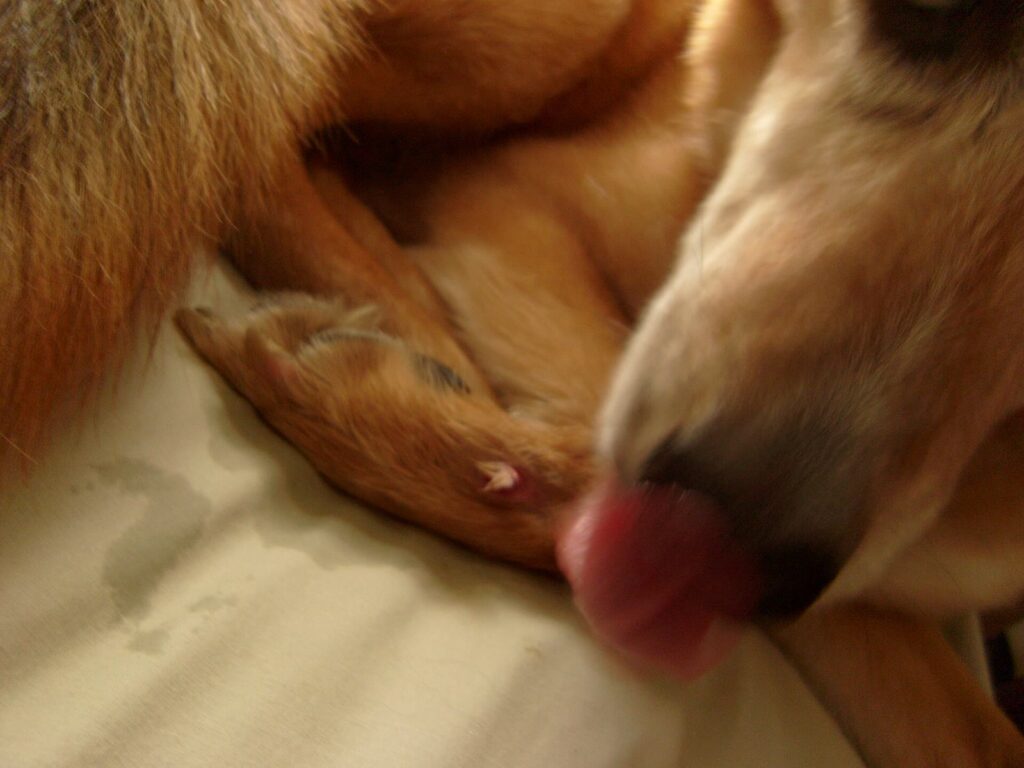
Spring hits and your dog starts gnawing at its feet like they owe it money. Owners usually put it down to boredom or a bit of mud between the toes. Often it’s neither. Paw licking is one of the most common and easily missed signs of seasonal allergy in dogs, and by the time you notice the fur turning pink or the paw smelling like corn chips, it’s already been going on for weeks.
What’s actually happening under the fur
Dogs react to allergens largely through their skin, not just their nose. As RSPCA NSW explains, dogs and cats mainly show allergy symptoms through their skin, including licking their paws, tummies and legs. Grass, pollen and dust that settle on paw pads and between the toes get licked, chewed and rubbed, and over time the skin barrier breaks down. This is called atopic dermatitis, a common itchy skin disease that often follows a seasonal pattern. In much of Australia, spring is peak pollen season, though flare times vary by region and by what a dog is allergic to.
The paws, groin, armpits and face are the areas with the least fur coverage, so they cop the most contact with allergens and take the most damage. A dog that’s constantly at its front paws, especially one paw more than the other, is very often dealing with allergic skin disease rather than a habit.
Grass and pollen allergy (atopic dermatitis)
This is the big one in spring. Signs to look for:
- Licking or chewing at paws, especially after being outside
- Fur on the paws turning rust or pink coloured (saliva staining, not blood)
- A yeasty or slightly sweet smell from the feet
- Redness between the toes or on the pads
- Rubbing the face along carpet or furniture
- Scratching around the ears, belly or armpits as well
Breeds with a genetic tendency toward atopic dermatitis, such as Labrador and golden retrievers, bulldogs and Weimaraners, among others, typically show their first signs between six months and three years of age, according to Cornell University. There is no cure. It’s a lifelong tendency to manage, not something that’s fixed in one visit.
Contact irritation and chemical exposure
Not every paw problem in spring is pollen. Spring is also lawn fertiliser season, and many suburban lawns get treated with fertilisers, herbicides or pesticides right when dogs are out on the grass most. RSPCA NSW warns that any type of fertiliser and bait can be toxic to dogs and cats if eaten. Parks and garden beds may also be sprayed.
Contact irritation can look different from allergy:
- It usually comes on within hours of a specific walk or yard visit, not gradually over weeks
- It often affects all four paws evenly, rather than favouring one side
- There may be visible redness or small blisters on contact, rather than just licking
- Rinsing paws with water after walks often settles it within a day or two
If you suspect a lawn chemical, rinse your dog’s feet in plain water as soon as you get home and check the label on anything you’ve used on your own lawn. Garden chemicals sold in Australia must be registered with the APVMA, and the label will tell you how to use the product safely, including any directions about keeping people and pets off treated areas.
Grass seeds
Grass seeds are a separate problem again, and a more urgent one. Barley grass, spear grass and other seed heads dry out and harden through spring and summer, and their barbed shape tends to push them forward into the skin rather than back out. They commonly work their way between the toes, into ear canals or up the nose, and RSPCA NSW notes they can burrow through the skin and migrate to difficult locations.
A grass seed problem usually looks sudden and localised:
- Sudden, intense licking at one toe or one small area of one paw
- A small hole or swelling that appears almost overnight
- Limping that comes on quickly
- Head shaking or sudden sneezing fits if the seed is in an ear or nose
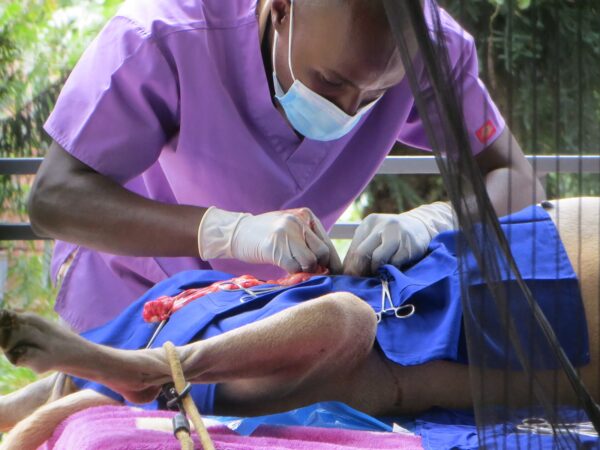
These need physical removal, usually by a vet, sometimes under sedation if the seed has migrated. Left alone, a grass seed can track under the skin and cause an abscess well away from where it entered. This is one of the few paw issues where waiting a few days to see if it settles is a genuine mistake.
Habit versus a real problem
Dogs do lick their paws for reasons that have nothing to do with allergy or seeds. A dog left alone for long stretches, or one that’s mildly anxious, can develop paw licking as a self-soothing habit, similar to a person biting their nails. The difference usually comes down to pattern and damage.
| Feature | Habit or boredom licking | Allergy or medical cause |
|---|---|---|
| Timing | Happens at rest, when settling, or when left alone | Happens after walks, in the yard, or worsens through spring |
| Which paws | Often the same one paw out of routine | Often both front paws, sometimes with belly or ear itching too |
| Skin condition | Fur may be damp but skin looks normal underneath | Redness, staining, odour, or hair loss present |
| Duration | Comes and goes over months, doesn’t worsen | Builds over days to weeks, tends to progress if untreated |
| Response to distraction | Stops easily with a toy, walk or attention | Resumes quickly regardless of distraction |
A dog that stops the moment you call its name and doesn’t have sore looking skin is probably just fidgeting. A dog that goes straight back to the same spot, especially if the fur there is stained or thinning, needs a proper look.
What you can do at home while you watch
Rinse and dry after outdoor time
A quick rinse of the paws in plain water after walks or backyard time, as RSPCA NSW suggests, removes surface pollen and grass residue before it gets licked in. Dry between the toes properly, a damp environment there encourages yeast and bacteria to take hold on top of any allergy.
Check between the toes weekly
Spread the toes and look for redness, swelling, small punctures or a smell. This is also how grass seeds get caught early, before they migrate.
Keep grass and yard edges short
Seed heads form on longer grass. Mowing regularly through spring, particularly along fence lines where dogs tend to walk, reduces the number of seed heads your dog can pick up.
Wipe down or use paw wax before high pollen days
On days with high pollen counts, a barrier paw wax or balm applied before a walk can reduce direct skin contact. It’s not a fix for an existing allergy, but it lowers exposure.
Wash bedding regularly
Pollen settles into dog beds and blankets the same way it settles into carpet. A hot wash weekly during spring reduces the amount your dog is lying in overnight.
When to call the vet
Paw licking can come from allergy, contact irritation, grass seeds, infection, or simple habit, and these can look similar in the first day or two. A vet examination is the only reliable way to tell them apart, and it matters because the treatment for each is different.
Book an appointment if you see any of the following:
- Licking that’s gone on for more than a week without improving
- Fur staining that’s spread or a strong odour from the feet
- A visible lump, hole, discharge or swelling on the paw
- Sudden lameness, especially with a specific sore spot
- Skin that’s raw, bleeding, or open from chewing
- Head shaking, ear odour or sneezing alongside the paw licking
- A dog under 12 months showing itching in multiple spots, which can point to early allergy that’s worth managing before it becomes a lifelong flare pattern
Costs vary between clinics, and tests such as skin cytology or allergy testing, or grass seed removal under sedation, add to the bill. Catching it at the licking stage, rather than the limping or swelling stage, is almost always the cheaper and less stressful path.