
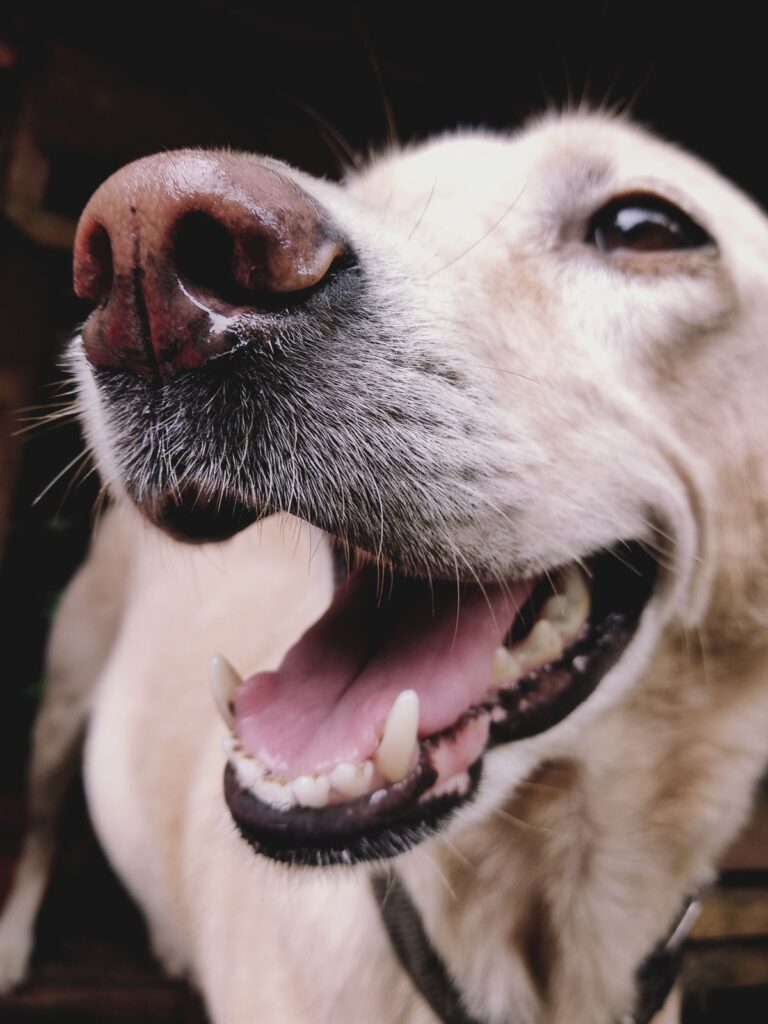
If your dog or cat has breath that could clear a room, it is tempting to put it down to normal pet life. It is not. That smell is usually the first sign of dental disease, the most common health problem in Australian pets. According to the RSPCA Australia Knowledgebase, around 80% of dogs and 70% of cats have some level of dental disease by the time they are three. The good news is that much of it is preventable. This guide covers what dental disease is, the signs to look for, how to brush your pet’s teeth, what a professional “dental” involves and what it costs.
What dental disease actually is
Dental disease in dogs and cats starts much the way it does in people. Bacteria in the mouth mix with saliva and food particles to form plaque, a soft, sticky film that builds up on the teeth every day. If it is not removed, plaque mineralises into tartar (also called calculus) within a couple of days. Tartar is the rough, yellow-brown crust you may see along the gum line, and its rough surface traps even more bacteria.
From there the gums become inflamed (gingivitis). Over time the infection works its way below the gum line and damages the ligaments and bone that hold each tooth in place. That advanced stage is called periodontal disease, and it leads to pain, loose teeth and, eventually, teeth that need to come out.
Because the damage happens out of sight under the gums, and pets are good at hiding pain, many keep eating normally with a sore mouth.
Why it matters beyond the mouth
Dental disease is not just a bad-breath nuisance. When gums are inflamed and bleeding, bacteria have a direct route into the bloodstream. The RSPCA notes that untreated periodontal disease can lead to tooth loss and to infections affecting the kidneys, heart and liver. That is why vets treat oral health as whole-body health rather than something cosmetic.
Warning signs to watch for
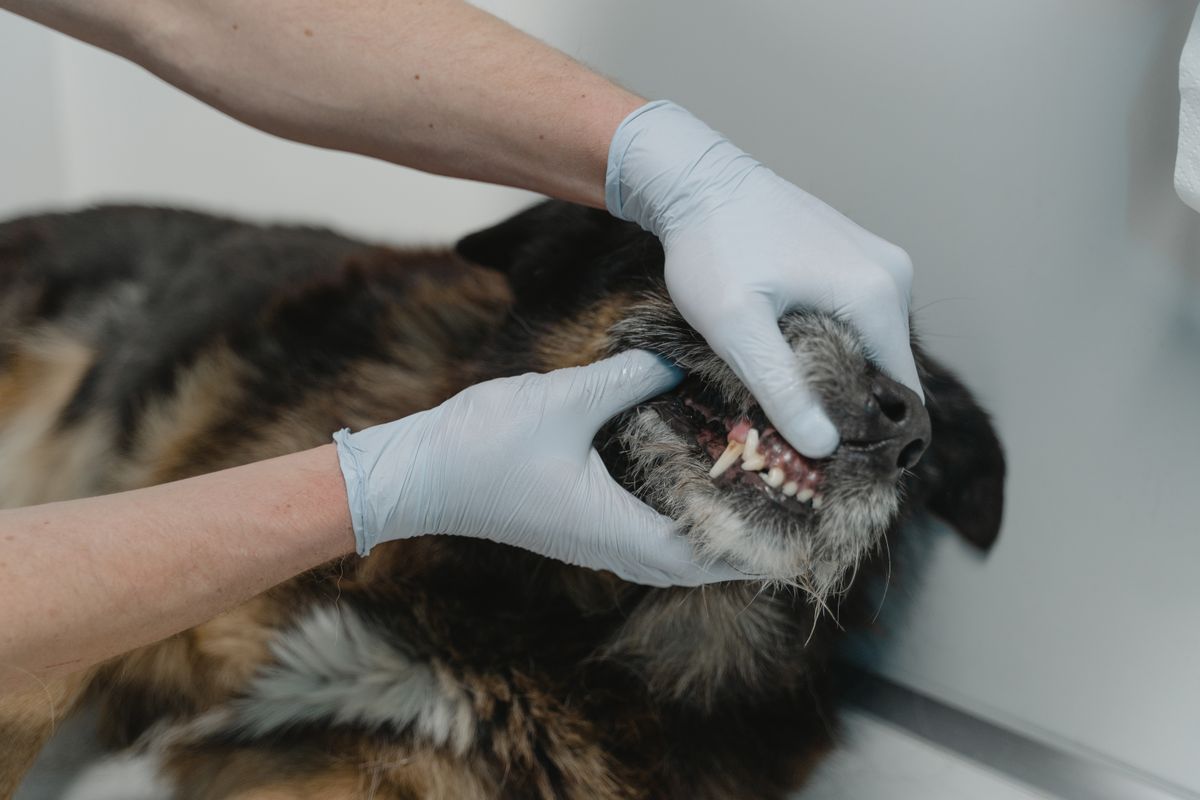
You do not need to be a vet to spot early clues. Lift your pet’s lip every week or two in good light and have a quick look. Book a check-up if you notice:
- Persistent bad breath that does not go away
- Yellow or brown build-up along the gum line, especially on the back teeth and canines
- Red, swollen, receding or bleeding gums, or blood on chew toys
- Dropping food, chewing on one side, or going off dry food and hard chews
- Pawing at the mouth or rubbing the face on furniture or the floor
- Excess drooling, sometimes tinged pink
- Loose, broken, discoloured or missing teeth
- Grumpiness or flinching when you touch their face
Bad breath is the sign owners most often dismiss, but strong, sour or rotten-smelling breath comes from bacteria breaking down plaque along the gum line. It is a symptom, not a personality trait. The other signs are rarely dramatic either. A dog that no longer wants to play tug may have a sore mouth rather than a lost interest.
Cats hide it even better
Cats are especially stoic. A cat that has started favouring soft food, grooming less, eating more slowly or rubbing its face may be dealing with mouth pain rather than simply being fussy. Cats can also develop painful conditions such as gingivostomatitis, so any change in eating habits deserves a vet check.
Which pets are most at risk
Every dog and cat can develop dental disease, but some are more prone:
- Small and toy breeds such as Chihuahuas, Yorkshire Terriers, Toy Poodles and Cavalier King Charles Spaniels, because their teeth are crowded into a small jaw and trap more plaque.
- Flat-faced (brachycephalic) dogs and cats such as Pugs, French Bulldogs and Persians, whose misaligned teeth catch food. Our guide to flat-faced dog breeds covers their other health needs.
- Older pets, simply because plaque has had longer to do its damage.
Diet, chewing habits and genetics also play a part, so regular checks matter more than any single home measure.
The stages of gum disease
Vets grade periodontal disease on a scale from 0 to 4, based on the American Veterinary Dental College system used worldwide. It shows why “he’s fine, he’s still eating” is not a useful test.
| Stage | What is happening | What you might see |
|---|---|---|
| 0 | Healthy gums | Pink gums, clean teeth, mild breath |
| 1 | Gingivitis only, no loss of tooth support | Redness at the gum line, some tartar |
| 2 | Early periodontitis, under 25% loss of tooth support | Tartar, gum recession starting, worse breath |
| 3 | Moderate periodontitis, 25 to 50% loss of support | Heavier tartar, bleeding gums, possible loose teeth |
| 4 | Advanced periodontitis, more than 50% loss of support | Loose or missing teeth, pus, pain when eating |
Gingivitis is reversible with a proper clean and good home care. From stage 2 onwards there is permanent damage to the bone and ligaments around the tooth. That damage does not heal on its own. It can only be managed, or the tooth removed.
How to brush your pet’s teeth
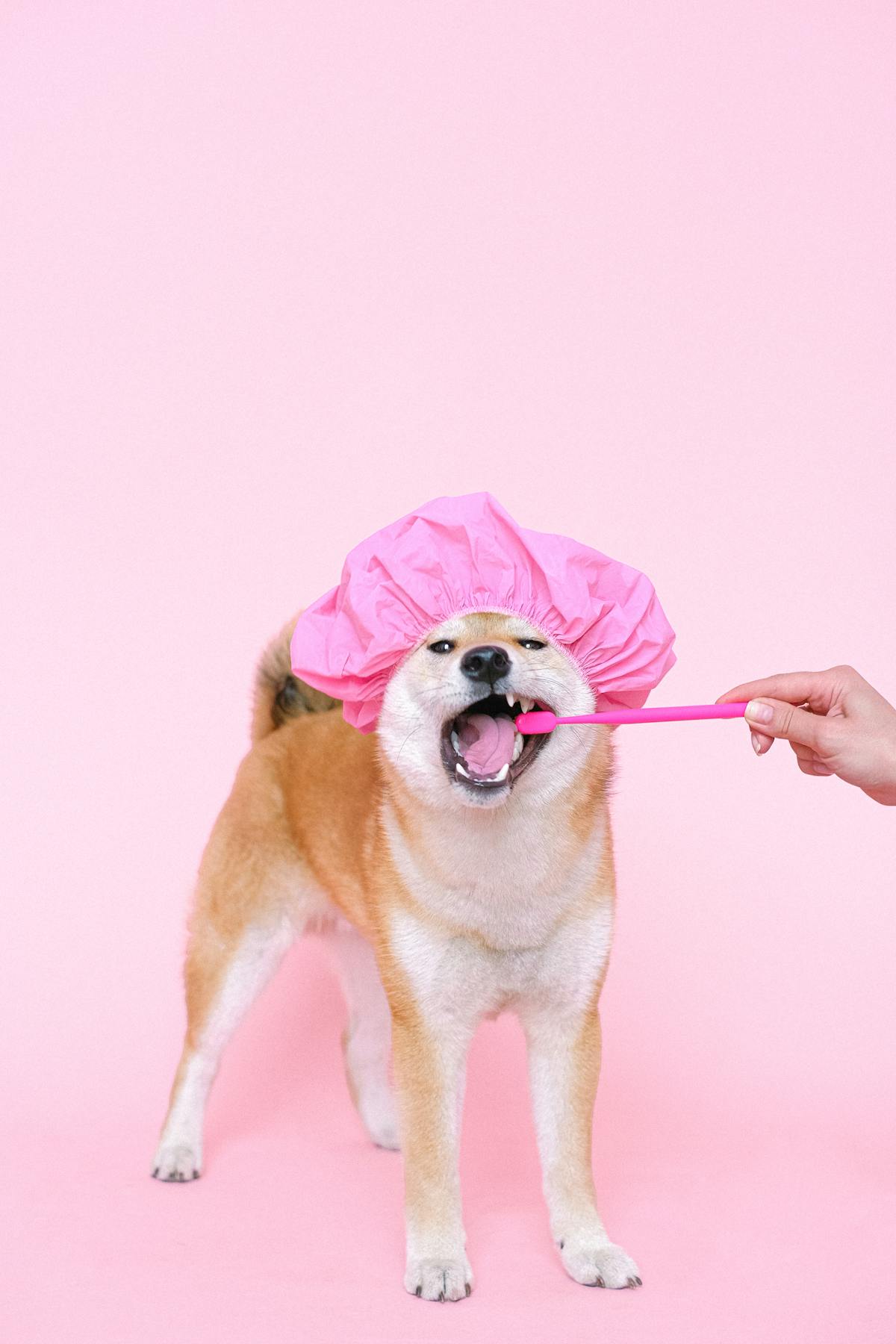
Daily brushing is the single most effective thing you can do at home, and the RSPCA recommends introducing it gradually, ideally while your pet is young. Plenty of adult dogs and cats learn to accept it too.
- Use pet toothpaste only. Never use human toothpaste. It contains fluoride and often xylitol, a sweetener that is toxic to dogs. Pet toothpastes come in flavours like chicken or malt that most animals treat as a reward.
- Start slowly. For a few days, let your pet lick a little paste off your finger. Then rub a finger along the outside of the teeth before introducing a brush.
- Pick the right brush. A soft pet toothbrush, a soft child-sized brush or a finger brush all work. A dental wipe is better than nothing for pets who will not tolerate bristles.
- Focus on the gum line. Angle the bristles at about 45 degrees to where the tooth meets the gum and use small circles. Concentrate on the outer surfaces of the back teeth and canines, where tartar builds fastest.
- Keep it short and positive. Thirty seconds a side is plenty to begin with. Finish with praise or a favourite game.
Daily is ideal, but brushing several times a week still makes a real difference. Consistency matters more than perfection.
For cats, choose a calm moment, such as after a meal or a nap. If your cat will not tolerate brushing at all, do not force it. Use the alternatives below and ask your vet for a demonstration at your next visit.
Chews, diets and other helpers
Only a small share of owners manage to brush often enough, so it helps to stack a few habits. These all support brushing but do not replace it:
- Dental chews and treats. Look for the Veterinary Oral Health Council (VOHC) seal, which means the product has been independently tested and shown to reduce plaque or tartar. Many supermarket “dental” treats do not carry it. Choose the right size for your dog and count the kilojoules in their daily food allowance.
- Dental diets. Some vet-recommended dry foods have a larger, fibrous kibble that scrubs the tooth surface as your pet chews. Ask your vet whether one suits your dog or cat.
- Water additives, gels and rinses. Products such as chlorhexidine gels can reduce bacteria a little. They are the weakest tool on their own but handy for cats that refuse brushing.
- Safe chew toys. Rubber and rope toys can help. If a chew does not flex slightly when you press it with a fingernail, it is too hard for regular use.
What to avoid
Very hard items such as antlers, hooves, hard nylon chews and bones are a common cause of fractured teeth. Cooked bones are the biggest worry because they can splinter and cause gut blockages or internal injuries. Our article on why cooked bones are dangerous for dogs explains more. If you want to offer raw bones, ask your vet which, if any, suit your dog’s size and chewing style.
Professional cleans: what a “dental” involves
Home care slows plaque, but it cannot remove hardened tartar or clean below the gum line. Even with great home care, most pets need a professional clean at some point.
A proper dental is always done under general anaesthetic. The RSPCA states that all pet dentistry should be performed while your pet is fully anaesthetised, because probing, scaling and extractions are painful and a vet cannot examine or X-ray a conscious animal’s mouth properly. Modern anaesthetic with good monitoring is routine, even for many older pets, and your vet may suggest a pre-anaesthetic blood test first.
Scale and polish
The vet removes tartar above and below the gum line, then polishes the teeth to slow new plaque forming. This works well for gingivitis and early periodontitis, while the teeth themselves are still healthy.
Extractions
Once bone loss is significant, cleaning around a tooth cannot save it. Removing it takes away the source of pain and infection. Most pets cope with missing teeth far better than owners expect and are eating normally within days.
A vet often cannot tell which teeth need to come out until your pet is anaesthetised and X-rays are taken. That is why quotes for a dental are usually given as a range.
A word on “anaesthesia-free” cleaning
Be wary of anaesthesia-free scaling services. They only tidy the visible surface of the teeth, cannot diagnose or treat disease below the gum line, and the restraint involved is stressful for your pet. A clean-looking tooth can still have a painful, infected root.
What a dental costs in Australia
Prices vary widely with your location, the clinic, your pet’s size and how much work is needed. When consumer group CHOICE surveyed Australian vets, quotes for a basic scale and clean ranged from about $300 to $2,000, and dental X-rays ran from around $50 for a single image to $450 for a full set. Extractions, pain relief and medication to take home add to the bill, and many clinics will not quote until they have examined the mouth.
A few ways to manage the cost:
- Ask for a written estimate with a low and high range before the procedure.
- Check your pet insurance wording. Many policies cover dental only after an accident, not dental disease. Our guide on whether pet insurance is worth it explains what to look for.
- See our breakdown of what vet procedures actually cost in Australia and our tips for affording vet care if the bill feels out of reach.
Pet Dental Health Month in August
August is Pet Dental Health Month in Australia, an awareness campaign led by the Australian Veterinary Association to encourage annual dental checks and regular brushing. Many clinics offer dental check-ups or promotions during the month, so it is a handy prompt to book in.
When to see the vet
Book a check if you notice persistent bad breath, visible tartar, red or bleeding gums, or a pet that has gone off hard food or favourite chews. These signs can point to several problems, so a proper mouth exam matters. Seek help sooner, ideally the same day, if you see:
- Swelling under one eye or along the jaw, which can mean a tooth root abscess
- A tooth that is visibly loose, broken or has fallen out
- Blood in the water bowl or on toys
- Sudden refusal to eat, or eating very slowly and carefully
- A strong, sudden change in breath odour
Frequently asked questions
Is bad breath in dogs and cats ever normal?
A faint food smell just after eating is fine, but persistent, strong bad breath is not. It is one of the earliest signs of gum disease. A sudden change, such as an unusually sweet or ammonia-like smell, also deserves a prompt vet visit because it can point to problems outside the mouth.
How often should I brush my pet’s teeth?
Daily is ideal, because plaque starts hardening into tartar within a day or two. If that is not realistic, aim for several times a week and back it up with VOHC-approved chews or a dental diet.
Does my pet really need an anaesthetic for a dental clean?
Yes, for a thorough clean below the gum line and dental X-rays. Anaesthesia-free cleans only tidy the visible surface and can miss the disease that matters. Your vet can talk you through the risks and safeguards for your pet.
At what age should dental care start?
As early as possible. A gentle brushing routine started in puppyhood or kittenhood is easiest to keep up, but it is never too late to begin with an adult dog or cat.
Key takeaways
- Around 80% of dogs and 70% of cats have some dental disease by age three, and much of it is preventable.
- Bad breath, tartar, red gums and changes in eating are early warning signs, not quirks.
- Daily brushing with pet toothpaste is the most effective home care. Never use human toothpaste.
- VOHC-approved chews, dental diets and gels support brushing but do not replace it. Skip bones, antlers and other very hard chews.
- Proper dental cleans need a general anaesthetic. Catching problems early is easier on your pet and your wallet.
- Small breeds, flat-faced pets and older animals need extra attention.
This article is general information for Australian pet owners and is not a substitute for advice from a registered veterinarian. If you are worried about your pet’s teeth or mouth, contact your vet.