Grass Seeds in Dogs: The Spring Hazard Aussie Owners Should Check For Now
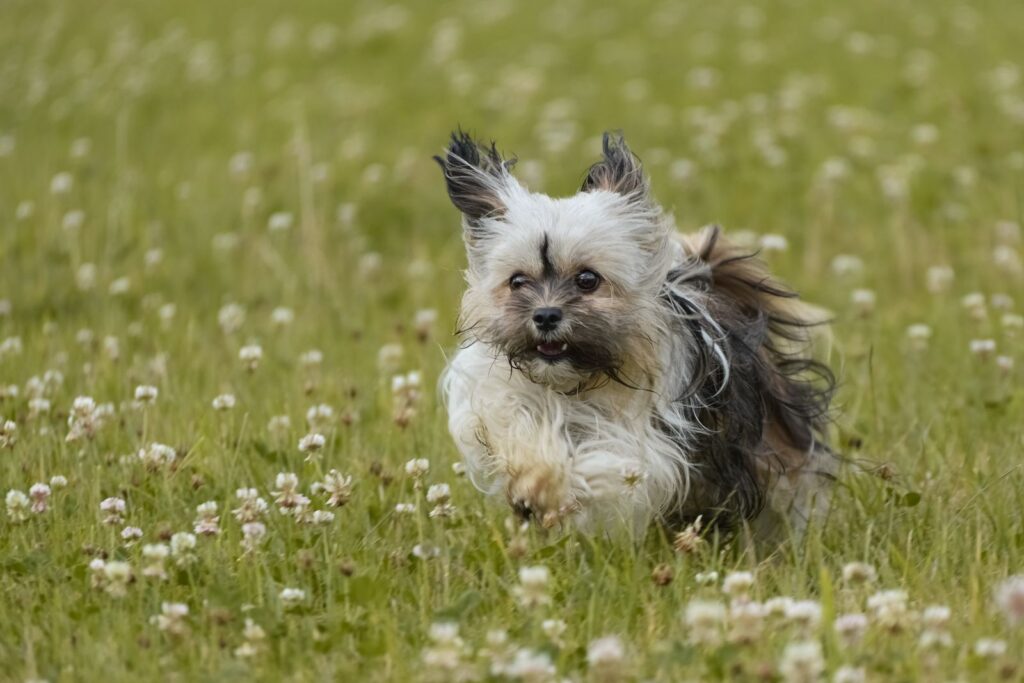
Your dog tears through a grassy paddock, ears flying, and picks up a hitchhiker you can’t see. Grass seeds are one of the most common warm-weather injuries Australian vets deal with, and a single one can turn an ordinary walk into a surgical bill. Late winter is the smart time to get ahead of them.
Written by GoPetr Writer, the GoPetr editorial team. This is general information only and is not a substitute for veterinary advice — if you think your dog has a grass seed, contact your vet. Every medical point below links to an authoritative source.
What a grass seed is, and why it’s worse than it looks
A grass seed (also called a grass awn or foxtail) is the sharp, dry seed head that grasses such as barley grass, spear grass and wild oats shed as they mature. The danger is the shape: the awn carries tiny backward-facing barbs, so once it snags in your dog’s coat it travels only one way, inwards (FOUR PAWS Australia). It works like a tiny dart. Every movement of the leg or the ear pushes it deeper, and the barbs stop it sliding back out. Because a seed never dissolves, it can migrate over days or even weeks, burrowing through the skin and, in worse cases, into the ears, chest or abdomen, seeding infection and abscesses as it goes (SASH Vets). Physically removing it is the only real fix.
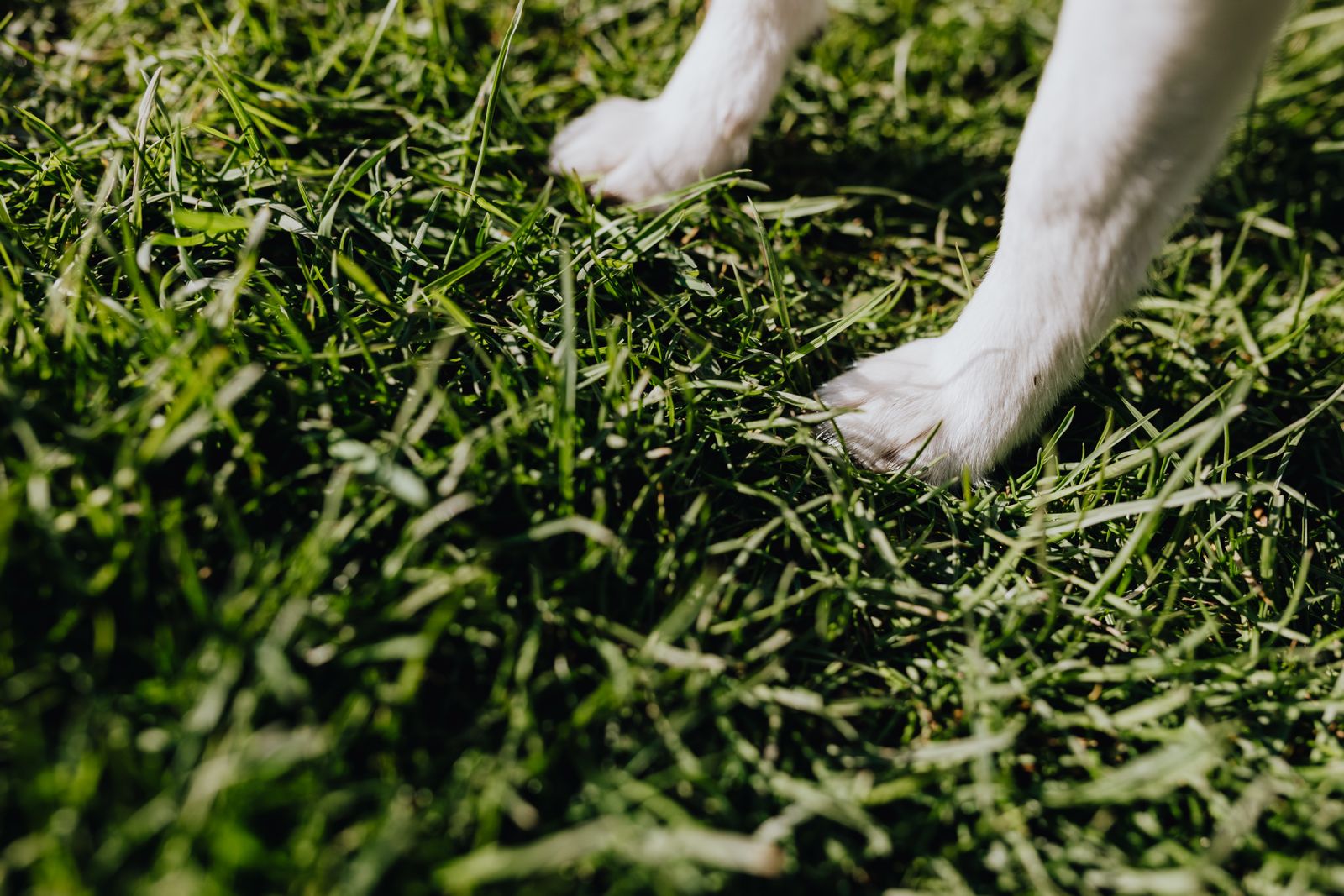
When is grass-seed season in Australia?
Grass seeds become a problem once grasses dry off and their seed heads detach, which is why cases climb through spring and peak over summer (Thornbury Vet). Pet Insurance Australia reports a significant rise in grass-seed claims through late spring and summer, particularly in NSW, Victoria, South Australia and Western Australia (Pet Insurance Australia). The grasses that cause the trouble, barley grass, spear grass, foxtails and wild oats, love warm spring weather and set their seed as the soil dries out. That makes right now, late winter and early spring, the ideal window to prepare, rather than waiting for the first sore paw. As nature strips, ovals and bush tracks dry out over the coming months, long seeding grass on the verge becomes the classic danger zone.
Warning signs of a grass seed, by body part
Because a seed can enter almost anywhere, the signs depend on where it lodges. After walks through long grass, watch for:
- Paws: sudden limping or holding up a paw, a swollen lump or a small red hole between the toes, and non-stop licking or chewing at one foot (SASH Vets).
- Ears: violent head shaking or a head tilt, pawing at the ear, redness, discharge or an unusual smell, or yelping when you touch the ear. A seed in the ear canal can trigger an ear infection or puncture the eardrum (FOUR PAWS Australia).
- Eyes: a squinting, weepy or suddenly swollen eye your dog keeps pawing at, with extra tears and redness.
- Nose: sudden fits of violent sneezing, a runny or bloody nostril, and pawing at the face, which can mimic reverse sneezing.
- Skin and body: a weeping lump or abscess that keeps returning, or a small wound that oozes and never heals. Check the armpits, groin, under the collar and between the shoulder blades, as well as the belly (SASH Vets).
Cats are not immune. They usually pick up seeds in the paws and face while exploring outdoors, and a long-haired cat can carry one in the coat for days before anyone notices. If your cat suddenly shakes a paw, squints or sneezes, run your hands over them and have a look between the toes.
Should you call the vet? A quick decision guide
| What you’re seeing | What to do |
|---|---|
| The whole seed sits loose on the coat and lifts straight out | Remove it gently by hand and watch that spot for a few days. |
| Limping, a swollen paw, head shaking, a squinting eye or a weeping hole that won’t heal | Book a vet, because the seed has likely gone under the skin. |
| Trouble breathing, collapse, a rapidly swelling face or severe pain | Treat it as an emergency and go to your nearest vet now. |
One rule matters most: if a seed has already broken the skin, don’t dig for it. You can snap it or push it deeper, leaving fragments that can turn into abscesses. Once only a small hole is visible, removal needs sedation, pain relief and the right tools, so let the vet do it (Walkerville Vet). Seeds in the ears, eyes or nose are always a vet job, and so is any seed you suspect but cannot see.
How vets remove grass seeds, and what it can cost
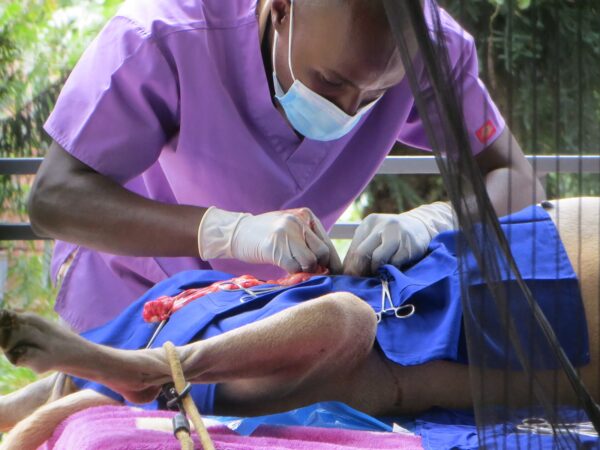
Plucking a visible seed off the coat takes seconds, and if it is still sitting on the surface of the coat you can lift it off with tweezers. Once it is embedded, it is a different job: vets usually need sedation or a general anaesthetic, fine forceps or an otoscope, and sometimes a small surgical incision to trace and remove the seed (Walkerville Vet). They may also flush the area and prescribe antibiotics to clear infection (FOUR PAWS Australia), and your dog may need to wear an e-collar for a few days while it heals. Deeply migrated seeds may need ultrasound to pinpoint them first (Applied Veterinary Research). Costs vary with difficulty: Pet Insurance Australia puts treatment at roughly $300 for a simple removal under sedation, rising to over $6,000 for complex surgery on a deeply migrated seed (Pet Insurance Australia).
The golden rule is not to wait it out. The sooner a seed is removed, the simpler and cheaper the treatment, and the quicker your dog feels better.
How to protect your dog this spring and summer
A few simple habits head off most grass-seed dramas before they start:
- Do a two-minute after-walk paw check after every walk. Run your hands over the paws (between every toe), ears, armpits, groin and under the tail.
- Keep the fur trimmed short around the paws and ears on fluffy breeds like Cavoodles, Cocker Spaniels and Groodles. Ask a groomer if you are not confident using clippers (Berwick Vet).
- Mow the lawn regularly and pull out barley grass and spear grass before they set seed, checking the edges of the yard as well as the middle.
- Stick to mown paths and well-maintained parks, and keep your dog out of long, dry, seeding grass on verges, ovals and bush tracks in the warmer months.
- Brush long or curly coats regularly, because a knot is a perfect anchor for an awn.
- If you have a cat that goes outdoors, brush them often and check the paws and face when they come in.
Frequently asked questions
Can a grass seed kill a dog?
It is uncommon, but a seed that migrates into the chest, spine or abdomen can cause serious, occasionally life-threatening infection if it is not treated, which is why prompt veterinary care matters (SASH Vets). Most seeds caught early are a minor problem.
How do I know if my dog has a grass seed?
The classic tell-tale is a dog suddenly fixated on one spot, licking a single paw, shaking their head, or squinting one eye, often within a day of walking through long grass (SASH Vets).
Can I remove a grass seed myself?
Only if the whole seed is sitting loose on top of the coat and lifts out easily. If it has pierced the skin or you cannot see all of it, don’t dig for it, because broken fragments left behind cause abscesses (Walkerville Vet). Book a vet instead.
Key takeaways
- Grass seeds are a spring-to-summer hazard; their barbs mean they only travel inward and won’t dissolve.
- Check paws, ears, eyes, nose and skin after every warm-weather walk in long grass, and check cats too if they roam.
- See a vet for any limping, head shaking, squinting or non-healing lump; treat breathing trouble as an emergency.
- Removal often needs sedation and can start around $300, so prevention is far cheaper.
- General information only; always follow your own vet’s advice.