With daylight saving well behind us and the sun clocking off early, plenty of Aussie dogs are now getting their main walk in the dark. In southern Australia, sunset arrives around 5pm or a little after through June and early July (and even earlier in Hobart), so even the after-work or after-dinner walk happens under streetlights and headlights. An evening stroll is still one of the best things you can do for your dog through winter, but low light changes the risks. Drivers and cyclists cannot see you as easily, cold footpaths take a toll on paws and joints, and a dog that bolts is much harder to spot. A bit of planning keeps these walks safe, warm and genuinely enjoyable.
Why dark walks need a different approach
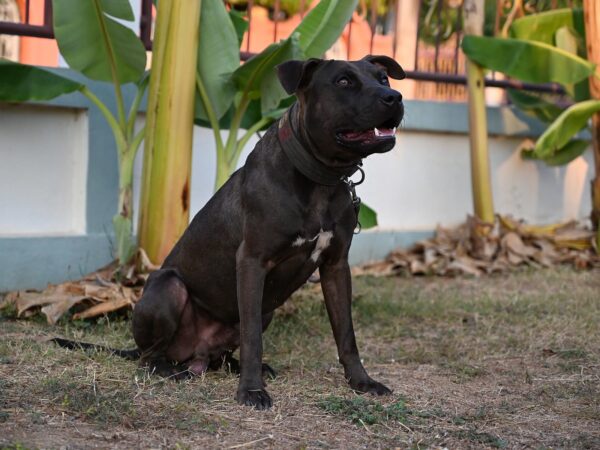
Most dog-walking advice quietly assumes daylight. After dark, visibility becomes the headline risk. The key is making both you and your dog easy to see, so motorists, cyclists and other walkers can spot you in time to react. Dark-coated dogs are especially hard to pick out at the kerb. Low light also hides trip hazards such as wet leaves, uneven kerbs, potholes and slippery patches on damp footpaths. It makes it harder to read your dog’s body language or notice trouble ahead, whether that is another dog approaching or a snake out on a mild evening. A dog feeling the chill may also be less responsive and keener to rush home. None of this means skipping the walk. It just means planning for it.
Be seen: visibility gear that actually works
The single biggest upgrade for night walks is making your dog impossible to miss. Reflective gear bounces car headlights straight back, while LED gear glows on its own power. Because they do different jobs, it is worth using both.
Reflective versus LED
Reflective harnesses, collars and lead sleeves only light up when a light source hits them, which is ideal on roads with passing traffic. Light-up LED collars, clip-on lights or an illuminated lead keep your dog visible even on unlit paths and in parks with no streetlights. A clip-on flashing light adds movement and contrast. Choose rechargeable or fresh-battery lights and check they are working before you head out. A flat LED collar gives a false sense of security.
Do not forget yourself. A reflective vest, an armband or a head torch means drivers see the human on the other end of the lead too. A torch helps you spot hazards and clean up after your dog. Light-coloured or hi-vis clothing beats your usual black winter jacket every time. Carry a charged phone, and on quiet routes consider walking with a buddy.
Plan the route and the timing
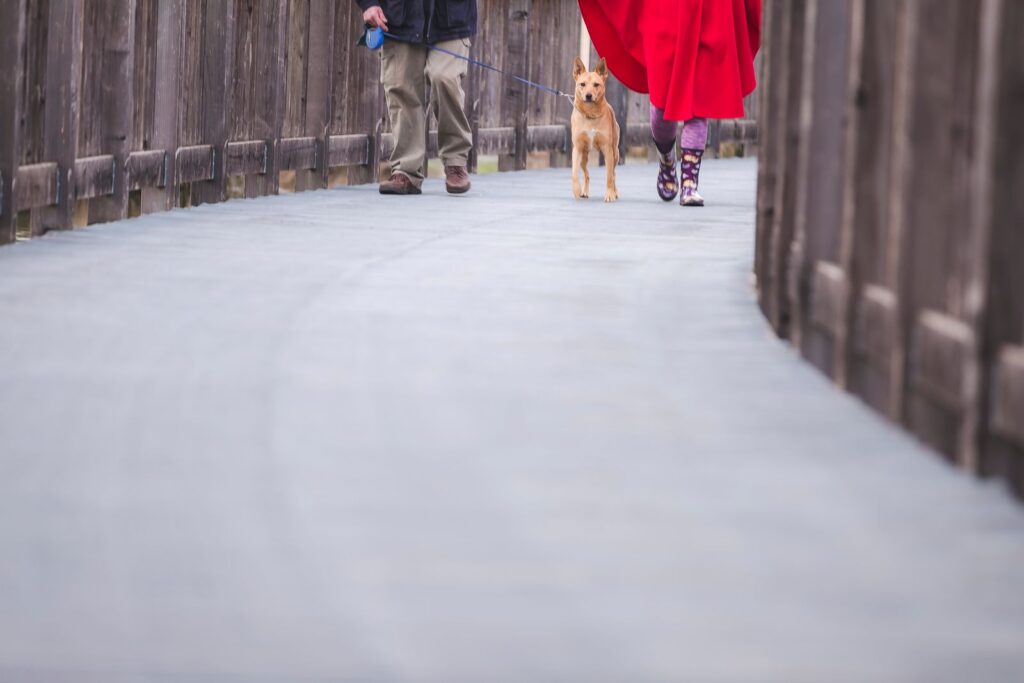
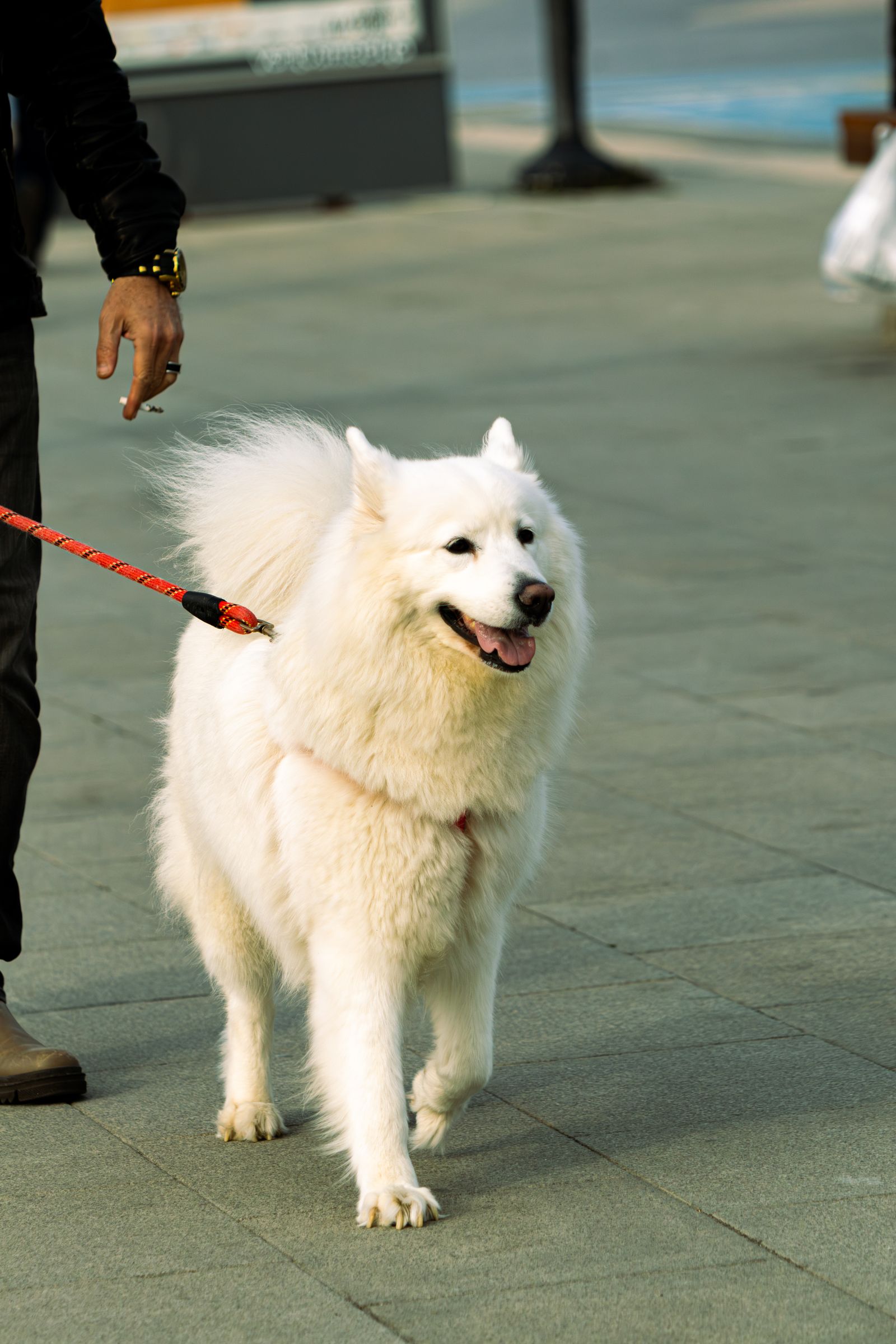
Stick to well-lit, familiar footpaths where you already know the surface and the traffic. Quiet, unlit shortcuts are tempting, but they are where hazards and approaching traffic are hardest to spot. Swap an unlit park for a route with streetlights and footpaths. If you can, aim for the brief window of dusk rather than full dark. Cross at lights or crossings, and never assume a driver has seen you, even in hi-vis. Keep your dog on a lead near roads so a sudden noise or wildlife sighting cannot send them onto the road. A predictable routine also helps your dog settle, which matters more in winter when shorter days throw everyone’s rhythm out.
Mind the cold: paws, joints and coats
Cold, hard footpaths are tougher on dogs than many owners realise. Australian winters are milder than in many places overseas, but frosty mornings, cold winds and wet grass still take a toll, especially on puppies, senior dogs and thin-coated breeds. Senior dogs and those with arthritis often stiffen up in the cold, so a slightly shorter, gentler walk on even ground is kinder on the coldest nights, in line with the RSPCA’s advice for arthritic dogs. Watch for signs your dog is too cold, such as shivering, lifting their paws, whining or simply wanting to turn back. If your dog has arthritis, a heart condition or another chronic illness, speak to your vet about the right activity level rather than pushing through if something seems off.
Check paw pads after each walk for cracks or grit, and rinse off any garden chemicals your dog may have stepped in. Dry your dog off and wipe down their paws to remove grit and moisture, and check between the pads for debris. Thin-coated breeds, puppies and older dogs feel the cold fast. A well-fitted dog coat can be the difference between an outing they enjoy and one they endure.
Lead manners and recall in low light
Dark is not the time for off-lead adventures near roads. Even dogs with a rock-solid recall are harder to see and to call back when you cannot make eye contact. A well-fitted harness gives you better control than a collar alone, and a standard fixed-length lead is easier to manage than a retractable one near traffic. The RSPCA advises against retractable leads because they give you less control and can let a dog get too close to traffic. Reward your dog for walking close and checking in with you. Calm, connected walks are safer than tense, rushed ones. If your dog is anxious in the dark, keep outings short and build their confidence gradually. Keep your dog on a lead near traffic, and if you do use an off-lead area, make sure it is fully fenced and your dog is wearing a light so you can track them. A current ID tag and up-to-date microchip registry details are your safety net if the worst happens and your dog slips away in the dark.
Your quick night-walk checklist
- Reflective harness or collar, plus an LED light or illuminated lead
- A torch or head torch for you, and hi-vis or light-coloured clothing
- A well-fitting coat for thin-coated, senior or small dogs
- A short lead near roads; off-lead only in fully fenced areas
- ID tag on the collar and microchip details current
- Lead and harness checked for wear before you head out
- A planned, well-lit route you both know well
- A charged phone, and a towel ready at home
The bottom line
Winter does not have to put your dog’s walks on hold. With the right visibility gear, a sensible route and a bit of cold-weather care, those dark evening strolls stay safe. They are also a great way to keep your dog fit and settled through the cooler months. Gear up, light up, and enjoy the quiet of a winter walk.