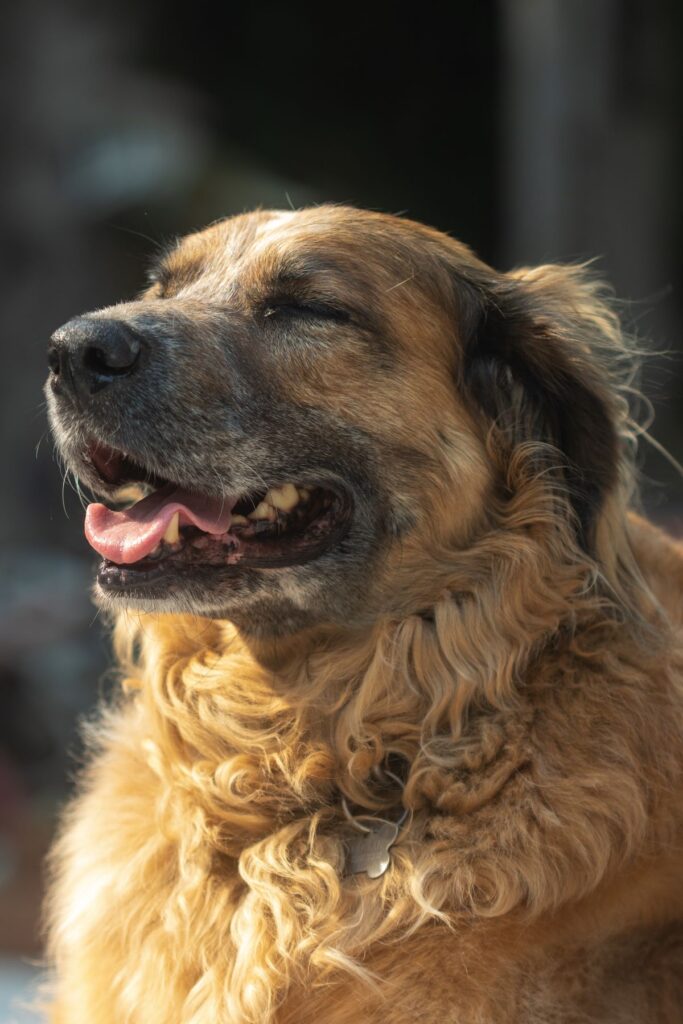
Has your old dog started staring blankly at the wall, getting “stuck” behind the couch, or pacing the hallway at 2am? It is easy to put these little quirks down to age, but sometimes they are early signs of canine cognitive dysfunction, often called dog dementia. It is more common than many owners realise, and because the changes creep in slowly, plenty of cases go unnoticed for months. There is no cure, but spotting it early gives you the best chance to slow it down and keep your senior dog calm and comfortable. This guide covers what it is, the signs to watch for, what else can look the same, how to help at home and what your vet can offer.
What is canine cognitive dysfunction?
Canine cognitive dysfunction (CCD), also called cognitive dysfunction syndrome, is a gradual, age-related decline in brain function. Cornell University’s College of Veterinary Medicine describes it as similar to Alzheimer’s disease in people. As dogs age, brain cells waste away and a protein called beta-amyloid builds up, so the brain becomes less able to process information. Signs may start from around nine years of age, and the condition is slowly progressive.
How common is it?
Estimates suggest CCD affects 14% to 35% of dogs over eight years old, and it becomes more common with every extra year. The Merck Veterinary Manual cites one study in which 28% of dogs aged 11 to 12 and 68% of dogs aged 15 to 16 showed signs consistent with the condition.
Despite this, it is widely under-diagnosed. A 2025 study of Australian veterinary professionals found that most vets surveyed diagnosed CCD only a few times a year or less, far below what its prevalence would predict. Part of the reason is that owners understandably put the changes down to “just getting old” and do not think to mention them.
The warning signs: remember DISHAA
Vets use the acronym DISHAA to describe the main changes. If you notice several in an older dog, it is worth a conversation with your vet:
- D: Disorientation. Getting lost in familiar rooms, getting stuck in corners or behind furniture, staring into space, or standing at the hinge side of a door waiting for it to open.
- I: Interaction changes. Becoming clingier, or more withdrawn and less interested in cuddles and family. Some dogs become irritable or stop recognising familiar people and pets.
- S: Sleep-wake changes. Sleeping more during the day, then pacing, whining, barking or wandering at night.
- H: House soiling (and learning and memory). Toileting indoors after years of being reliable, sometimes right after coming inside, and forgetting cues they once knew well.
- A: Activity changes. Less interest in toys, walks and play, or new repetitive habits such as aimless pacing or licking.
- A: Anxiety. New fears, restlessness or agitation, often worse in the late afternoon and evening, a pattern sometimes called “sundowning”.

Why you should not self-diagnose
These signs are not unique to dementia. Pain from arthritis, failing eyesight or hearing, urinary problems, kidney or hormonal disease, seizures and brain tumours can all look remarkably similar. Cognitive dysfunction is usually diagnosed by recognising the pattern of signs and ruling out other causes. Your vet will take a detailed history, examine your dog and usually recommend blood and urine tests. Some of the look-alike conditions are very treatable, so a check-up is worth it even if you suspect dementia.
Pain deserves special attention. An older dog that paces at night or snaps when touched may simply be sore. Our guide to arthritis in older dogs and cats covers the signs. Cornell notes that other conditions such as arthritis and obesity also need treating for a dog with CCD to do well.
How you can help at home
There is no cure, but the right routine and a few thoughtful changes can ease anxiety, support brain health and help slow the decline. Think of it as making life as predictable and low-stress as possible.
Keep routines steady
Dogs with cognitive decline find comfort in predictability. Keep meals, walks, toilet breaks and bedtime at consistent times, and avoid rearranging furniture or moving their bed and bowls. A calm, familiar environment reduces confusion.
Keep the brain busy, gently
Mental stimulation helps. Short, easy training refreshers, sniffing games, food puzzles, a snuffle mat and gentle daily walks all give the mind a workout without overwhelming your dog. Keep sessions brief, positive and well within their comfort zone. Our indoor enrichment ideas for dogs include plenty of low-impact games.
Help reset the body clock
Plenty of daytime light, activity and interaction makes it easier for a dog to sleep at night. A walk or sniffing session in the afternoon, a calm evening routine and a last toilet break just before bed can all help.
Make the home easy to navigate
- Use night lights in hallways and near the water bowl so a confused dog can find their way after dark.
- Keep pathways clear and put non-slip mats on slippery floors to prevent falls.
- Block off hazards such as stairs, pools and gaps behind furniture where a dog might get stuck.
- Keep food, water and bed in the same easy-to-reach spots.
- Offer extra toilet breaks, and use washable bedding or pee pads if accidents happen.
Long, dark winter evenings
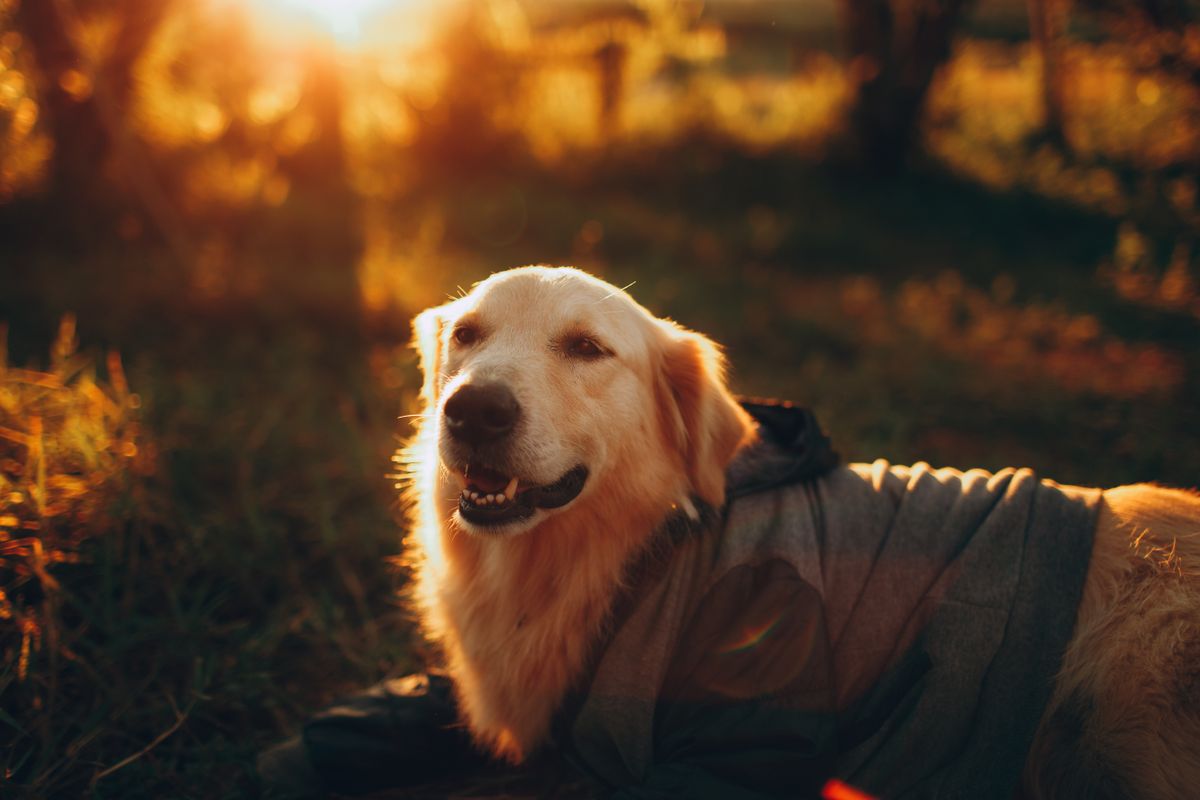
Many owners first notice the signs in winter. Earlier sunsets mean longer stretches of darkness, dogs often get less daytime exercise, and families spend more time indoors where night-time pacing is easier to notice. Sundowning restlessness can seem worse at this time of year. Schedule walks and play in the brightest part of the day, switch on lamps early in the evening, and keep night lights on. If you do walk after dark, our guide to walking your dog safely in the dark has tips on visibility and safety, which matter even more for an older dog that may be easily confused.
What your vet may recommend
Management usually combines several approaches:
- Prescription diets. Some veterinary diets are formulated to support the ageing brain, with antioxidants, omega-3 fatty acids and, in some products, medium-chain triglycerides.
- Medications. Vets may prescribe medicines aimed at cognitive dysfunction, such as selegiline or propentofylline, both mentioned by Australian vets in the 2025 study. Your vet may also suggest medication for anxiety or night-time restlessness.
- Supplements. Some brain-health supplements may help alongside the steps above. Ask your vet which one suits your dog rather than buying online, as quality varies and some can interact with medications. Our guide to pet supplements in Australia explains what to look for.
- Treating other conditions. Managing pain, hearing or vision loss and other illnesses often makes a noticeable difference to behaviour.
Never give your dog human medications, including human sleeping tablets or dementia drugs, as many are toxic to dogs.
When to see your vet
Book a check-up if you notice several DISHAA signs, if the changes are getting worse, or if your dog seems distressed at night. See your vet promptly if the changes appear suddenly, your dog has a seizure, seems to be in pain, stops eating, or starts circling or walking with a head tilt. Sudden changes are less typical of dementia and can signal other problems that need attention.
Even when it does turn out to be dementia, early support can improve your dog’s quality of life. Keep a simple diary of the changes you notice, with dates and times, to help your vet track progress and judge how well treatment is working.
Frequently asked questions
At what age do dogs get dementia?
Signs usually appear in senior dogs, often from around eight or nine years old, and become more common with age. Larger breeds tend to be considered senior earlier than smaller ones.
Is dog dementia painful?
Dementia itself is not thought to be painful, but the confusion and disrupted sleep can be distressing. Pain from other age-related conditions often occurs alongside it, which is another reason a vet check is worthwhile.
Can dog dementia be cured?
No, but it can often be managed. A combination of routine, enrichment, home changes and, where appropriate, vet-prescribed diets or medication can help slow the decline and keep your dog comfortable.
Why does my old dog pace at night?
Night-time pacing and restlessness are classic signs of a disrupted sleep-wake cycle, which is common in cognitive dysfunction. They can also be caused by pain, needing to toilet more often, or poor vision, so talk to your vet.
Can cats get dementia too?
Yes. Older cats can develop a similar condition, feline cognitive dysfunction, often showing as night-time yowling, confusion and litter tray changes. The same principles of a vet check, routine and a safe, easy home apply.
Key takeaways
- Canine cognitive dysfunction is an age-related brain decline that affects an estimated 14% to 35% of dogs over eight, and it is often under-diagnosed.
- Use DISHAA as a guide: disorientation, interaction changes, sleep-wake changes, house soiling, activity changes and anxiety.
- Similar signs can come from pain, sensory loss and other treatable illnesses, so a vet diagnosis matters.
- Steady routines, gentle mental exercise, daytime light and a safe home layout all help.
- Vets can offer prescription diets, medications and supplements, so start the conversation early.
This article is general information for Australian dog owners and is not a substitute for advice from a registered veterinarian. If your older dog’s behaviour is changing, contact your vet.