
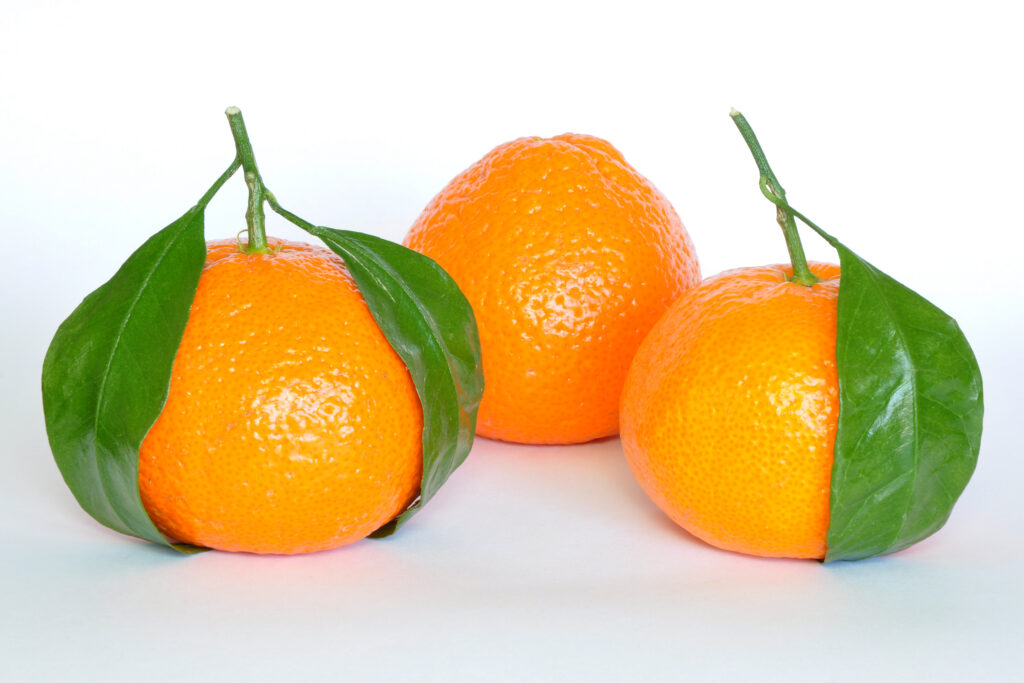
Can Dogs Eat Mandarin Oranges?
If your dog is eyeing the mandarin you just peeled, you are not alone in wondering whether it is safe to share. The short answer is that mandarins are generally not toxic to dogs, and most healthy dogs can enjoy a small piece of the peeled flesh as an occasional treat. That said, mandarins are high in natural sugar and acidity, so they should only make up a tiny part of your dog’s diet. This guide walks through what makes mandarins reasonably safe, the parts to avoid, and how to offer them responsibly.
Are Mandarins Safe for Dogs?
Mandarins belong to the citrus family, and the juicy segments are not considered toxic to dogs the way grapes or chocolate are. Many owners find that a small amount of the peeled fruit causes no problems for a healthy adult dog. Because every dog is different, it is best to start with a very small portion and watch how your dog responds before offering any more.
The main concerns are not poisoning but digestion. Mandarins contain natural sugars and citric acid that can upset a sensitive stomach, especially in large amounts. Dogs also do not need fruit sugar in their diet, so mandarin should be viewed as an occasional treat rather than a regular food.

Possible Benefits of Mandarin in Small Amounts
In modest portions, the flesh of a mandarin can offer some appealing qualities for dogs who enjoy it:
- Vitamin C, which a healthy dog’s body already produces on its own but can still take in from food
- High water content that adds a little hydration on a warm day
- A naturally sweet, low-calorie treat when compared with many commercial snacks
- A bit of fibre from the fruit’s flesh, which some owners use as a novelty reward
These qualities are minor and are not a reason to add mandarin to your dog’s routine. A complete, balanced dog food already supplies the nutrients your dog needs.
Parts of the Mandarin to Avoid
When sharing mandarin, it helps to remove anything that is hard to digest or that could cause a blockage. Consider the following:
- Peel and pith: the skin and stringy white layer are tough to digest, and citrus peel contains essential oils and psoralens that can cause vomiting and diarrhoea
- Seeds: remove any seeds, which are a choking hazard and are best kept out of your dog’s food
- Leaves and stems: these are not meant for eating and should be discarded
- Canned mandarin in syrup: added sugar or artificial sweeteners make these a poor choice, and the sweetener xylitol is dangerous to dogs
Stick to a few small pieces of the fresh, peeled, seedless segments if you decide to share.
How to Safely Offer Mandarin to Your Dog
If your veterinarian has no concerns and you want to let your dog try mandarin, a careful approach works best:
- Peel the fruit completely and remove all seeds and white pith
- Offer one small segment, or part of one, depending on your dog’s size
- Watch for any signs of digestive upset over the next day
- Keep fruit treats to a small share of daily calories (the American Kennel Club suggests treats stay under 10%), alongside a balanced diet
Smaller dogs need noticeably less than larger dogs, so scale the portion down accordingly and never make mandarin a daily habit.
When to Skip Mandarin Altogether
Some dogs are better off without citrus. Dogs with diabetes, obesity, or a sensitive digestive system may not tolerate the sugar and acidity well. If your dog shows vomiting, diarrhoea, loss of appetite, or unusual discomfort after eating mandarin, stop offering it and contact your veterinarian. Consult a licensed veterinarian for diagnosis or treatment specific to your pet, especially if your dog has an existing health condition or takes medication.
The Bottom Line
Mandarins are generally safe for most healthy dogs in very small, peeled, seedless portions, but they are a treat rather than a dietary need. The natural sugar and acidity mean moderation matters, and the peel, seeds, and syrupy canned versions are best avoided. When in doubt, check with your veterinarian before introducing any new food, and keep your dog’s regular balanced diet as the foundation of their nutrition.