General information only: this article covers Australian import and ownership rules, not veterinary advice. For health or behavioural questions about your cat, speak with a registered Australian veterinarian.
The short answer
You can no longer bring a Bengal cat into Australia from overseas. The federal government announced in December 2024 that Bengals would no longer be permitted to enter from 1 March 2025, and the last allowed imports ended on 1 March 2026. But Bengals already living here are still legal to own and to buy from an Australian breeder or rescue. The catch is at the border, not the couch, and state and council rules still apply.
What actually changed, and when
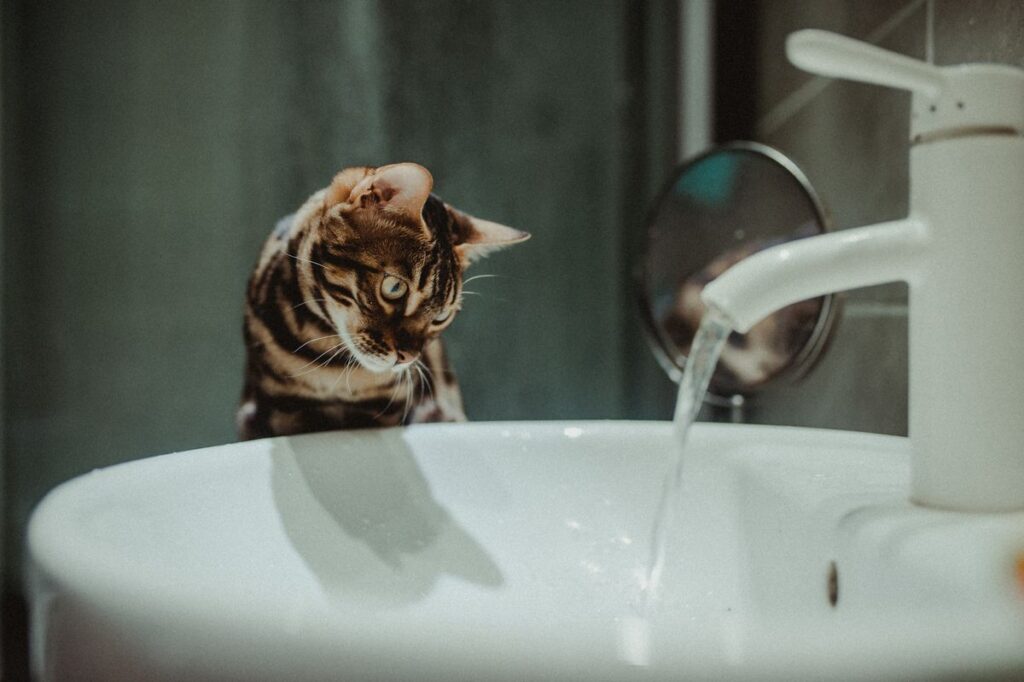
Bengals are a hybrid of the domestic cat (Felis catus) and the wild Asian leopard cat (Prionailurus bengalensis). Since 2013, the Australian Government allowed them in under an exemption if the importer could prove the cat was five generations (F5) removed from its wild ancestor. That exemption is now gone. Under the new policy, announced on 10 December 2024 by the Department of Climate Change, Energy, the Environment and Water (DCCEEW), Bengals are treated like any other animal under the Environment Protection and Biodiversity Conservation Act 1999, and because they are not on the Live Import List, they cannot be imported at all.
The DCCEEW policy update said the change would apply from 1 March 2025, and that anyone wanting to import a Bengal could apply for an exemption before 5pm on 28 February 2025. According to Animal Care Australia, no Bengals are allowed to enter Australia from 1 March 2026, regardless of generation.
Why the government made the change
The concern is biodiversity, not biosecurity. DCCEEW found that cats imported under the F5 exemption often carried a high percentage of Asian leopard cat genes, which is inconsistent with the environmental protection aims of the EPBC Act (DCCEEW). Australia already treats non-domestic cat hybrids cautiously: Savannah cats, for example, are also barred from import over concerns about their impact on native wildlife.
Not everyone agrees with the approach. Animal Care Australia, an industry body, has argued that modern Bengals are fully domesticated and that closing imports could shrink the local breeding gene pool, which it says may raise the risk of inherited health problems over time. That is a stated concern from a breeder-advocacy group rather than a government finding, so treat it as one side of the debate.
Can you still own or buy a Bengal in Australia?
Yes. The ban applies to importing a cat across the border: it does not make Bengals already in Australia illegal. You can keep the Bengal you have and buy one from a local registered breeder or a rescue. Ownership itself is governed by state and territory law and local council rules, which vary and can include registration, desexing and cat containment requirements. Confirm your own state or territory’s position, and ask about any rules on hybrid animals, before you commit.
There is one hard edge worth knowing. Australians who moved overseas with an Australian-born Bengal will not be able to bring that cat home, because there are no exemptions once the import door closes (Animal Care Australia). If that is your situation, get advice before you travel.
The door may not be shut for good. In August 2025 DCCEEW opened a public consultation on an application to add Bengal cats to the Live Import List for household pet purposes, which closed on 10 October 2025. If the breed is added, imports could resume subject to conditions, so check DCCEEW for the latest outcome.
Quick reference: Bengal cats in Australia today
| Situation | Current status |
|---|---|
| Importing a Bengal from overseas | Not permitted (any generation) |
| Owning a Bengal already in Australia | Legal, subject to state/territory rules |
| Buying from an Australian breeder or rescue | Allowed; check your state and council rules |
| Bringing an Aussie-born Bengal back from overseas | Not permitted: no exemptions |
| Adding Bengals to the Live Import List | An application went to public consultation in 2025; outcome to be confirmed with DCCEEW |
Thinking of getting a Bengal? A quick checklist
- Buy within Australia, from a registered breeder or a breed-specific rescue. Do not attempt to import.
- Check your state or territory rules before paying a deposit, and ask your local council too.
- Ask the breeder for the cat’s generation and pedigree in writing.
- Be wary of online “imported Bengal” listings: under the current rules a genuine new import is not legally possible, so treat those ads as a scam red flag.
- Budget for lifelong care, including desexing, vaccination and pet insurance.
Frequently asked questions
Are Bengal cats illegal in Australia now?
No. It is illegal to import one, but Bengals already in Australia are legal to own, and you can still buy a locally bred cat subject to your state’s rules.
Why can’t Bengals be imported anymore?
DCCEEW removed the old five-generation exemption after finding imported cats often carried a high percentage of Asian leopard cat genes, which is not consistent with the EPBC Act (DCCEEW).
Can a Bengal ever be imported again?
Only if the breed is formally added to the Live Import List. An application to do this went to public consultation in 2025, but listing is a formal risk-assessment process with no guaranteed outcome.
Key takeaways
- Bengal imports were phased out from 1 March 2025, and no Bengals can enter Australia from 1 March 2026.
- Bengals already here remain legal to own and buy: the change is at the border.
- State and council rules still apply, so check locally.
- New “imported” Bengal listings are a scam warning sign.
If hybrid and exotic breeds interest you, see our guides to the Savannah cat and to Australia’s cat containment laws.
Sources: Department of Climate Change, Energy, the Environment and Water: New policy for importing Bengal cats and the Live Import List; DCCEEW, Import of Bengal cat and Asian leopard cat consultation; Animal Care Australia.