
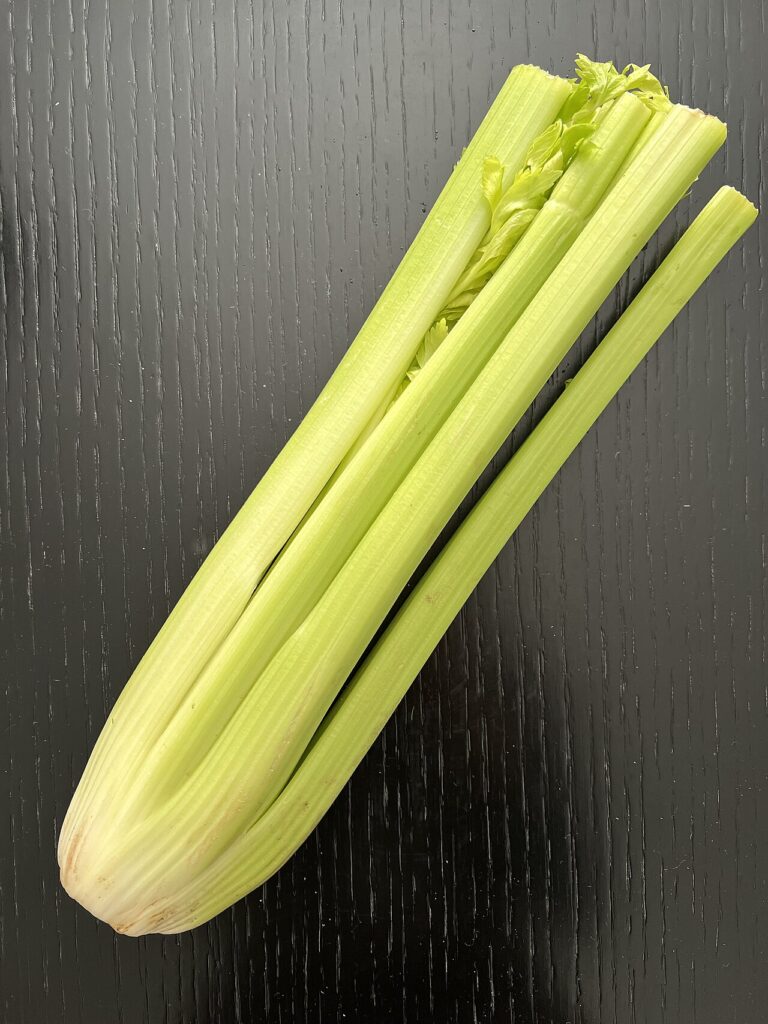
Can Dogs Eat Celery?
If your dog gives you that hopeful stare every time you reach for a snack, you may have wondered whether sharing a crunchy stalk of celery is a good idea. The short answer is yes: celery is generally considered safe for most dogs to eat in moderation, and the American Kennel Club lists it among the vegetables that are safe for dogs. This low-calorie vegetable is packed with water and fibre, which makes it a refreshing treat many owners like to offer, especially on warm days. As with any new food, the details matter, so it helps to understand how to serve celery safely and how much is reasonable.

Potential Benefits of Celery for Dogs
Celery is mostly water, which can make it a hydrating snack, and it contains fibre that may support healthy digestion. It also provides vitamins A, C and K, plus folate, potassium and manganese (AKC). Because it is naturally low in calories and fat, celery is often recommended as a treat for dogs that need to lose weight and is sometimes used as a lighter treat option for dogs that are watching their weight. Some owners also find that the crunchy texture gives their dog something satisfying to chew. These are general nutritional points rather than medical claims, and celery should be seen as an occasional treat, not a replacement for a complete, balanced dog food.
How to Safely Serve Celery to Your Dog
Preparation makes a big difference when introducing celery. A few simple steps can reduce the risk of choking or stomach upset:
- Wash the celery thoroughly to remove dirt and any residue.
- Cut it into small, bite-sized pieces and pull off the stringy fibres, especially for small dogs and puppies, to lower the choking risk (PetMD). The RSPCA also warns against roughly cut vegetables.
- Serve it plain: skip butter, salt, dips, or seasonings that are not meant for dogs.
- Start with a small amount the first time and watch for any digestive changes.
Treats, including vegetables like celery, are generally recommended to make up no more than about 10 percent of your dog’s daily calories (AKC’s 10% rule), with the rest coming from a complete and balanced diet.
When to Be Cautious
While celery is well tolerated by many dogs, it is not the right choice for every pet. Too much can lead to mild digestive upset such as gas, loose stools, or an upset stomach because of the fibre and water content. The stringy texture and round shape of larger pieces can also pose a choking hazard if not cut down. Dogs with certain health conditions, food sensitivities, or those on special diets may need to avoid extras altogether. If your dog has a known medical condition or you are unsure whether celery is appropriate, consult a licensed veterinarian for diagnosis or treatment specific to your pet.
The Bottom Line
Celery can be a safe, low-calorie, hydrating treat for many dogs when it is washed, cut into small pieces, and served plain in moderation. It is not a necessary part of a dog’s diet, but it can be a pleasant occasional snack. Every dog is different, so introduce it slowly, watch how your pet responds, and reach out to your veterinarian if you have any concerns about your dog’s diet or health.