
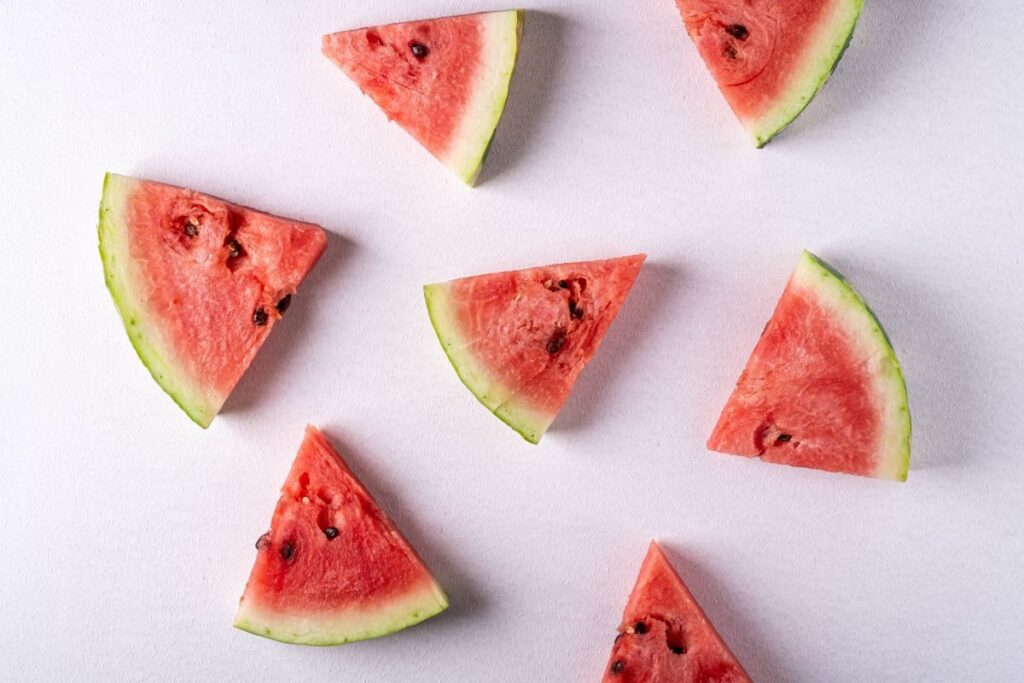
Yes, most dogs can eat watermelon. The pink flesh is mostly water, low in kilojoules and free of fat, which makes it a genuinely good warm-weather treat. The catch is in the preparation: the rind and the seeds should come off first, and portions should stay small so the extra sugar and fibre don’t upset your dog’s stomach. With Australian summer on the way and watermelons piling up at the shops, here is how to share it safely.
Is watermelon safe for dogs?
Plain, fresh watermelon flesh is not toxic to dogs. The American Kennel Club describes it as a refreshing, hydrating treat for many dogs, noting that it is around 92 per cent water, has only about 50 calories per cup and contains vitamins A, B6 and C plus potassium.
That doesn’t make it a health food your dog needs. A complete and balanced dog food already supplies all the nutrients your dog requires, and RSPCA Australia recommends building the diet around a good-quality commercial food, with fresh water available at all times. Watermelon is best thought of as a fun, low-calorie extra rather than a supplement.
The parts that cause trouble are the ones we don’t eat either:
- The rind: the tough green skin is hard to digest and can cause vomiting, diarrhoea or, if a large chunk is swallowed, a blockage in the gut.
- The seeds: the black, mature seeds can be a choking hazard and may contribute to an intestinal blockage if a dog eats a lot of them, especially a small dog.
- Anything added: sugar, syrups, salt, chilli, alcohol or a fruit salad dressing turns a safe snack into a risky one.
Rind and seeds: what’s the real risk?
Owners often ask whether a single swallowed seed or a quick lick of rind is an emergency. Usually it isn’t. A few seeds swallowed by a medium or large dog generally pass without fuss. The concern grows with quantity and with dog size: a small dog that gets into a discarded quarter of watermelon at a barbecue can swallow a lot of seeds and rind very quickly.
The rind is the bigger worry. Dogs that gnaw on it tend to bite off pieces that are too fibrous to break down properly. If your dog has eaten a large amount of rind, watch over the next 24 to 48 hours for:
- repeated vomiting, or retching without bringing anything up
- a tight, painful belly or a hunched posture
- loss of appetite or lethargy
- straining to pass a motion, or no motions at all
Any of those signs means a call to your vet, because a gut obstruction can become serious quickly. Pale “seedless” watermelon is the easiest choice, as its soft white seeds are immature and not a practical concern, but it is still worth flicking out any black seeds you see.
How much watermelon can my dog have?
A widely used rule is that treats should make up no more than about 10 per cent of your dog’s daily kilojoule intake, with the rest coming from their regular balanced food. Watermelon is light, so you can give a reasonable handful, but the natural sugar and the high water content can cause loose stools if a dog eats too much in one sitting.
Use this as a rough everyday guide for healthy adult dogs, and start at the low end the first time:
| Dog size | Example breeds | Comfortable portion of seedless flesh |
|---|---|---|
| Toy (under 5 kg) | Chihuahua, toy poodle | 2 to 3 small cubes (about 2 cm each) |
| Small (5 to 10 kg) | Jack Russell, Cavoodle | 3 to 5 small cubes, up to about a quarter of a cup |
| Medium (10 to 25 kg) | Border collie, kelpie, beagle | Up to about half a cup of cubes |
| Large (25 to 40 kg) | Labrador, golden retriever | Up to about one cup of cubes |
| Giant (over 40 kg) | Great Dane, mastiff | Up to about one to one and a half cups |
These are amounts that sit comfortably inside a treat allowance for an average dog, not targets to hit every day. If your dog is on a weight-loss plan, cut back their other treats on watermelon days. If your dog has diabetes, a sensitive stomach, pancreatitis or kidney disease, or is on a prescription diet, check with your vet before adding any fruit.
How to prepare and serve watermelon
- Wash the outside before cutting, so dirt from the skin isn’t dragged through the flesh.
- Cut away all of the rind, including the pale green layer just under the skin.
- Remove the black seeds, or buy seedless watermelon to save time.
- Cut into bite-sized cubes that suit your dog’s mouth. Gulpers do better with smaller pieces.
- Serve plain, with no sugar, salt, mint sauce or yoghurt containing sweeteners.
- Offer a small amount first and watch for any tummy upset over the next day before making it a regular treat.
Puppies can have a cube or two once they are settled on solid food, but their stomachs are more sensitive, so keep it to a taste. Senior dogs with dental problems often appreciate watermelon because it is soft and easy to chew.
Summer treat ideas with watermelon
As the weather warms up, cold treats are a handy way to add a little moisture and enrichment. A few ideas that work well:
- Frozen cubes: freeze seedless cubes on a tray, then store them in a container. Hand out one or two after a walk. Avoid giving a whole tray at once.
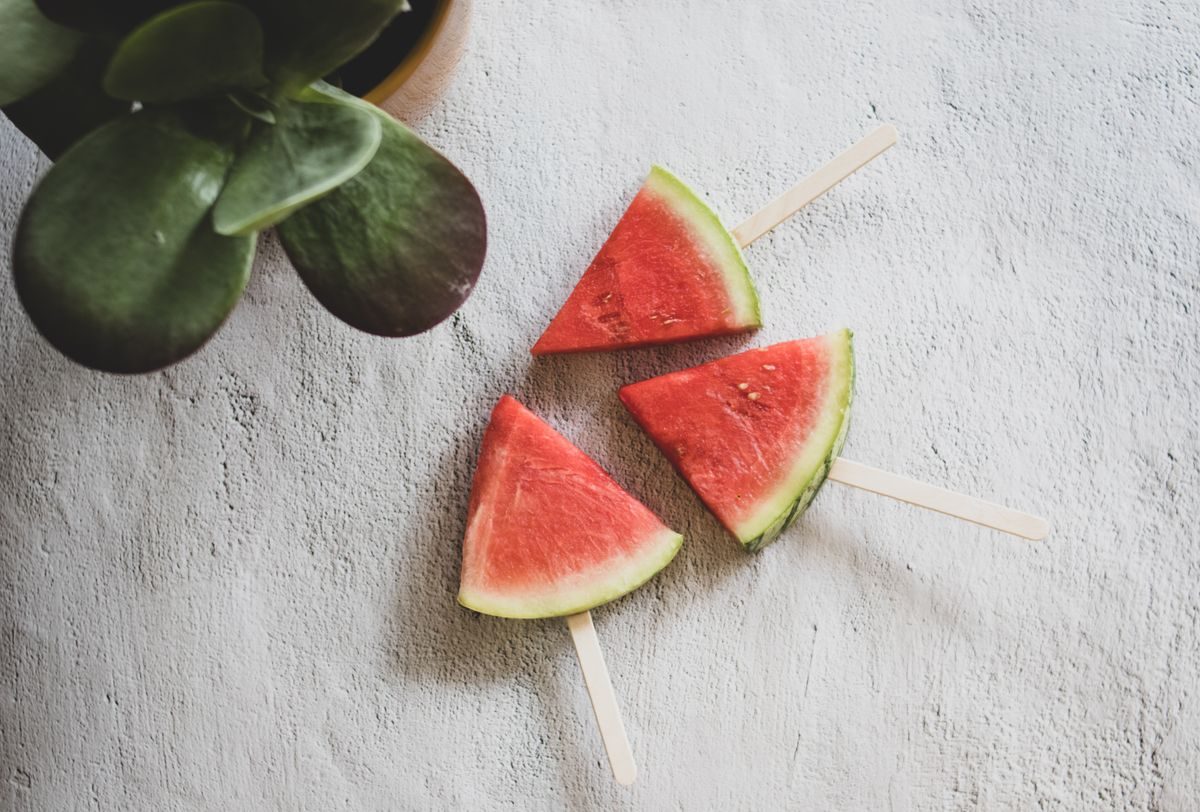
- Watermelon ice blocks: blend seedless flesh and freeze it in an ice cube tray or silicone mould. If you make human-style pops on sticks, as in the photo above, serve your dog’s portion off the stick so they can’t chew and swallow the wood.
- Lick mat topping: spread a thin layer of blended watermelon on a lick mat and freeze it. Licking is calming and slows a fast eater down.
- Stuffed toy: pack small cubes into a rubber food toy with a few of your dog’s usual kibbles and freeze it for a longer-lasting challenge.
- Yoghurt swirl: mix blended watermelon with a spoonful of plain, unsweetened yoghurt. Check the label carefully, because some “lite” yoghurts are sweetened with xylitol, which is very dangerous for dogs.
Cold treats are a nice extra on a hot day, but they are not a way to manage heat stress. Shade, water and avoiding exercise in the heat of the day matter far more. Our guide to heatstroke in dogs and cats covers the warning signs every owner should know before summer.
Watermelon products to avoid
Fresh watermelon is fine; watermelon-flavoured human products often aren’t. Skip these:
- Watermelon lollies, gummies and sugar-free gum. Many contain large amounts of sugar, and sugar-free versions may contain xylitol. The ASPCA Animal Poison Control Center warns that xylitol can cause low blood sugar and potentially liver damage in dogs.
- Store-bought sorbets, gelato and icy poles. These are loaded with sugar and sometimes contain dairy, artificial sweeteners or chocolate coatings.
- Pickled watermelon rind. Rind is hard to digest at the best of times, and pickling adds salt, sugar and spices.
- Mixed fruit platters. Watermelon is often served alongside grapes, which can cause kidney damage in dogs. Our article on grapes, sultanas and raisins explains why even small amounts are a concern.
- Watermelon cocktails or punch. Alcohol is toxic to dogs, and summer parties are a common time for accidental drinking from cups left at dog height.
Other summer fruits dogs can share
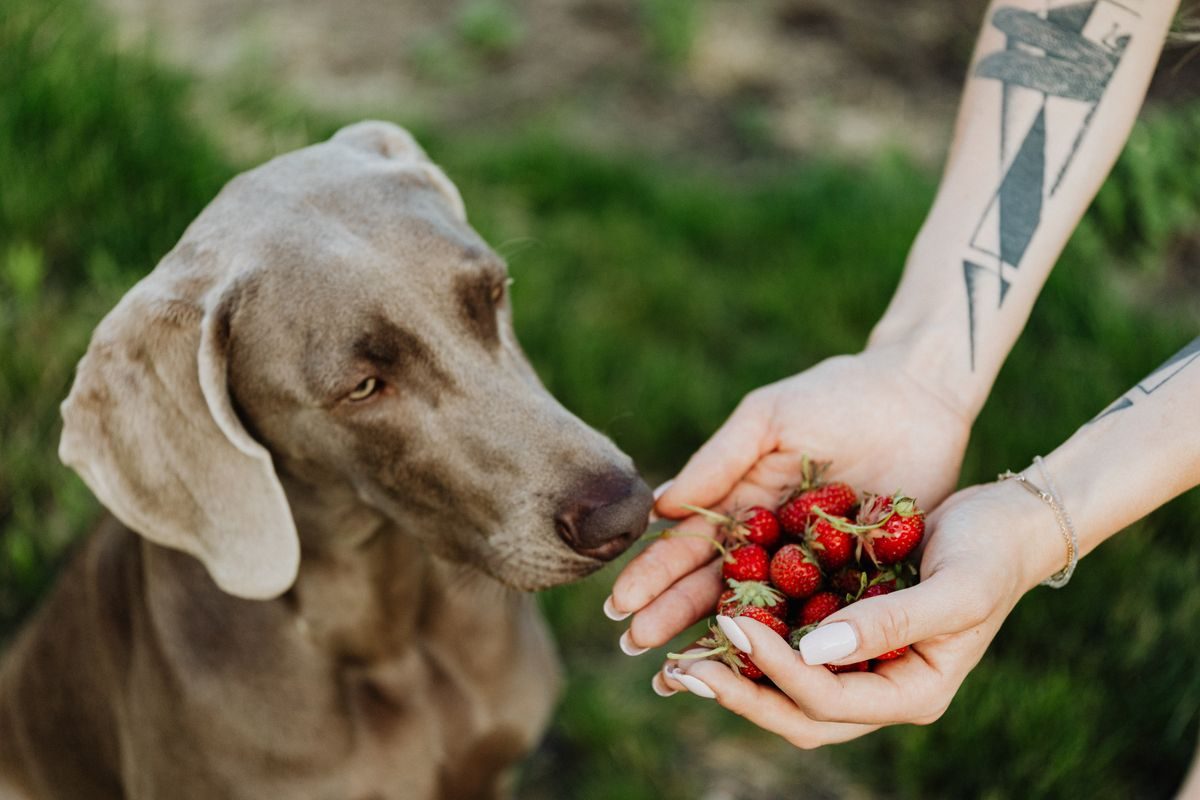
If your dog loves watermelon, a few other fruits can be offered in small, prepared portions, such as peeled banana, blueberries, seedless apple slices with the core removed, and rockmelon without the rind or seeds. Our guide to pineapple for dogs covers another popular summer option. Mango is fine without the skin and stone, but stones from mangoes, peaches, plums and other stone fruit should always be kept away from dogs, because they can cause blockages. RSPCA Australia lists fruit stones among the things not to feed dogs.
Whatever fruit you choose, the same principles apply: plain, prepared, small portions, and counted as part of your dog’s treat allowance. The RSPCA’s advice on dog treats also suggests talking to your vet about the best treat choices for your individual dog.
When to call the vet
Most dogs eat a few pieces of watermelon and have nothing more than a happy face to show for it. Contact your vet if your dog:
- has eaten a large amount of rind or a whole wedge, especially if it is a small dog
- vomits more than once, has diarrhoea lasting more than a day, or has blood in vomit or stools
- seems to have belly pain, is restless or keeps trying to vomit without success
- stops eating, becomes lethargic or isn’t passing motions
- has eaten a watermelon-flavoured product that might contain xylitol, chocolate, grapes or alcohol
If you suspect a poisoning, call your vet or the Animal Poisons Helpline on 1300 869 738 straight away rather than waiting for signs to appear.
Frequently asked questions
Can dogs eat watermelon every day?
A small portion of seedless, rind-free watermelon each day is fine for most healthy dogs, as long as it stays within their treat allowance and doesn’t cause loose stools. Many owners prefer to keep it as a special hot-day snack so it stays exciting.
My dog ate some watermelon seeds. Should I worry?
A few seeds are unlikely to cause problems in most dogs. Keep an eye out for vomiting, belly pain, straining or a loss of appetite over the next day or two, and call your vet if any of these appear or if a small dog ate a large number of seeds.
Can puppies eat watermelon?
Yes, in tiny amounts once they are eating solid food well. Offer one or two small, seedless cubes and watch for tummy upset. Their main diet should be a complete and balanced puppy food.
Is watermelon good for dogs with diabetes or weight problems?
Watermelon is low in kilojoules, but it still contains natural sugar. For overweight dogs it can be a better choice than many commercial treats, as long as you reduce other treats to make room. For diabetic dogs, ask your vet first, because any change in treats can affect blood glucose control.
Can cats eat watermelon too?
Plain watermelon flesh isn’t toxic to cats, but cats are strict carnivores and most show little interest in fruit. A lick or a tiny cube is fine if your cat is curious, with the same rules about rind and seeds.
Key takeaways
- Fresh watermelon flesh is safe and hydrating for most dogs.
- Always remove the rind and black seeds, which can cause stomach upsets or blockages.
- Keep portions small and count them as treats, which should be no more than about 10 per cent of daily intake.
- Frozen cubes, ice blocks and lick mats make easy summer treats, but they don’t replace shade and water on hot days.
- Avoid watermelon lollies, sorbets, sugar-free products and fruit platters that may contain grapes or xylitol.
- Call your vet if your dog eats a lot of rind or shows vomiting, belly pain or lethargy.
This article is general information for pet owners and is not a substitute for advice from a registered veterinarian. If your dog has a health condition, is on a special diet or shows any signs of illness after eating, please contact your local vet.