
Can dogs eat peanut butter? The short answer
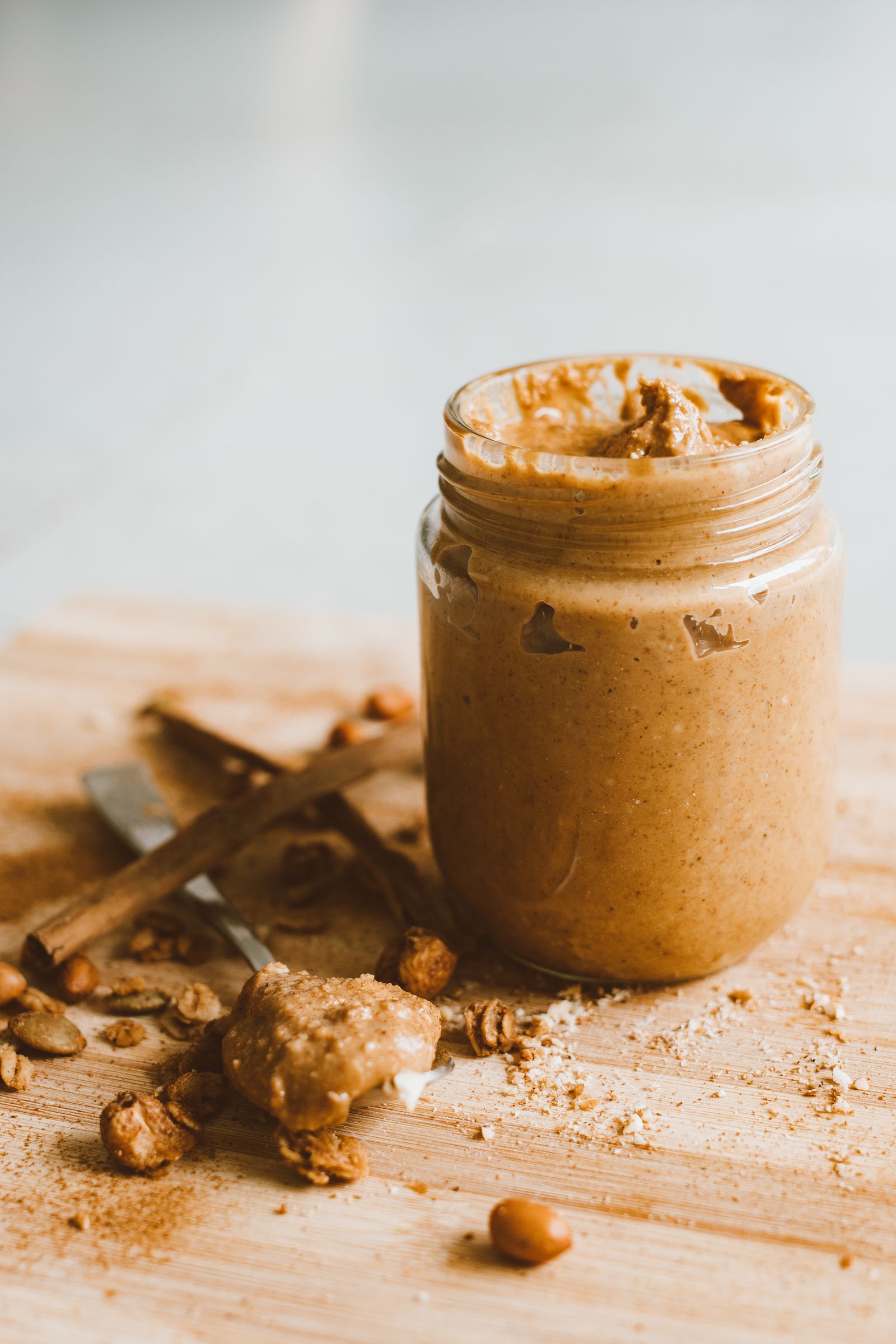
Yes, dogs can safely eat plain peanut butter in small amounts, and the good news for Australian owners is that almost every peanut butter on our supermarket shelves is fine. The ingredient that fuels scary overseas headlines, xylitol, is not known to be in any mainstream peanut butter sold in Australian supermarkets, though it is worth reading every label. The risks that actually matter here are more ordinary: too much fat, too much salt, and too many kilojoules, plus xylitol hiding in other pantry products.
Why xylitol gets all the attention (and why Australia is different)
Xylitol is a sugar substitute that is safe for people but dangerous for dogs. In dogs it triggers a rapid insulin release that can crash blood sugar within 30 minutes, and larger doses can injure the liver. Australian vets note the toxic threshold is around 0.1 gram per kilogram of body weight, a tiny amount for a small dog.
Here is the part most imported blog posts get wrong for an Aussie audience. An Australian veterinary clinic that went looking reported it was “unable to find any peanut butter for sale in Australia that contains xylitol”. On top of that, Australian and New Zealand labelling rules require xylitol to be declared in the ingredients (it may appear as additive number 967 or as “birch sugar”), so a quick label check will catch it. The Animal Poisons Helpline does list spreads, including peanut butter, among the products where xylitol can turn up, which is why every jar is worth checking (Animal Poisons Helpline). Where xylitol more commonly lurks in Australian homes is elsewhere:
| Where xylitol actually turns up in Aussie homes | Risk to dogs |
|---|---|
| Sugar-free chewing gum & mints (e.g. Extra, Mentos Pure Fresh) | High – a few pieces can poison a small dog |
| “Keto” and protein bars, sugar-free lollies (e.g. Atkins, Noshu) | High |
| Sugar-free baking sweetener / “natural birch sugar” | High – risky when home baking in the July cold |
| Some sugar-free peanut butters bought overseas or online | Check the label – read every jar |
| Peanut butter on Australian supermarket shelves | None found by the vets cited here – still read the label |
The real risks in the jar for Aussie dogs
For everyday peanut butter, the sensible limits are about fat, salt and kilojoules rather than poison. Peanut butter is energy-dense and some brands are heavily salted, and a big dollop on top of a full dinner is an easy way to tip a dog towards weight gain or, occasionally, an upset stomach. Overfeeding fatty treats like peanut butter can also contribute to obesity and pancreatitis in dogs, so moderation is the whole game.
A useful rule of thumb from veterinary nutrition is the 10% guideline: treats should make up no more than 10% of your dog’s daily kilojoules. As a rough guide, that means roughly half a teaspoon for a small dog (5–10 kg), up to about a tablespoon for a large dog (30 kg+), and less if your dog is overweight or already gets other treats. When in doubt, ask your vet what suits your individual dog.
What to do if your dog eats a xylitol product
If your dog gets into sugar-free gum, mints, a keto bar or a sweetener sachet, treat it as an emergency and act before symptoms appear. Do not wait. Use this quick decision guide:
- Call the vet or emergency vet NOW if your dog has eaten (or might have eaten) anything sugar-free containing xylitol, birch sugar or additive 967, even if they seem fine.
- Ring the Animal Poisons Helpline on 1300 869 738: it is a 24/7 Australian service (consultations are charged, from $75, according to its website), and its team keeps Australasia’s only xylitol product database to help gauge the dose.
- Watch for warning signs: wobbliness, weakness, vomiting, tremors or collapse can appear within 30 minutes to a few hours.
- Do not induce vomiting at home unless a vet tells you to.
How to serve peanut butter safely
Choose a plain, unsalted peanut butter (or a dog-specific one), and check that peanuts (not sugar substitutes) are basically the only ingredient. Smear a small amount inside a Kong or lick mat to turn it into a slow, enriching treat, especially handy on cold, wet winter days when walks are shorter. Keep it occasional, not daily. And keep it well away from anything on the toxic list, like onion and garlic. If you like giving whole-food treats, our guides to corn and the dangers of cooked bones are worth a read too.
Frequently asked questions
Is xylitol really in Australian peanut butter? The Australian vets cited here could not find a local peanut butter containing it, and local labelling law requires it to be declared if present. Always read the label anyway, particularly for products bought overseas or online.
How much peanut butter can my dog have? Keep it to roughly half a teaspoon for a small dog and up to a tablespoon for a large one, no more than an occasional treat, and less if your dog is overweight.
Can puppies have peanut butter? A tiny smear is generally fine for healthy pups, but their kilojoule needs are precise, so check with your vet and keep portions very small.
Key takeaways
- Plain peanut butter is safe for most dogs in small amounts.
- Mainstream Australian peanut butters are not known to contain xylitol, and it must be labelled if present, so check every jar.
- The everyday risks are fat, salt and kilojoules, so stick to the 10% treat rule.
- Xylitol’s real danger is in gum, mints, keto bars and sugar-free baking: keep them locked away.
- If your dog eats a xylitol product, call your vet or the Animal Poisons Helpline (1300 869 738) straight away.
About this guide
Written by GoPetr Writer, the GoPetr editorial team, which covers everyday pet-care questions for Australian owners. This article is general information only and is not a substitute for veterinary advice. Every dog is different. Consult a licensed Australian veterinarian for guidance specific to your pet.
Sources: Companion Animal Veterinary Hospital; Walkerville Vet; Animal Poisons Helpline; U.S. FDA; American Kennel Club.