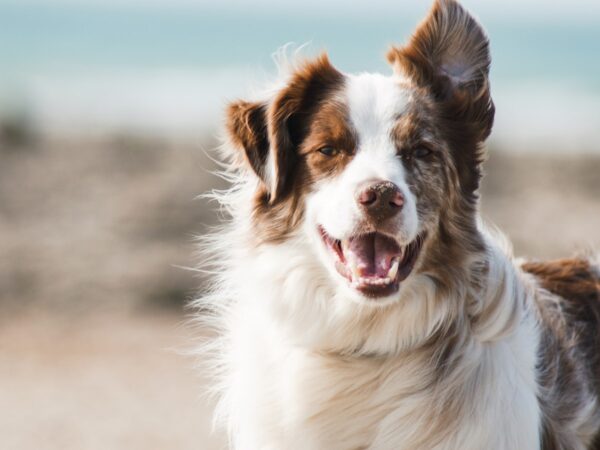

Australian winters have a sneaky way of padding out our pets. The walks get shorter, the couch gets warmer, and the treats seem to multiply. By the time spring rolls around, plenty of owners notice their dog or cat is carrying a bit more than they should. It matters more than most of us realise: national surveys suggest around 41% of Australian dogs and 32% of cats are already overweight or obese, and the colder months are when the scales quietly tip.
Why winter is prime time for pet weight gain
Cold, wet mornings make it tempting to skip the walk. Dogs move less, indoor cats move even less, and both burn fewer kilojoules while the food bowl stays exactly the same size. Add in the extra treats we hand out when we are all cooped up together, and it is easy to see how a few hundred grams creep on. Reduced activity is one of the biggest risk factors for pets becoming overweight, and desexed and food-motivated animals are especially prone.
The reason it is worth taking seriously is simple: extra weight shortens and complicates a pet’s life. Research from the Waltham Centre for Pet Nutrition found overweight dogs can live around 10 months less than their lean counterparts, while overweight cats have roughly twice the risk of developing diabetes, rising to almost four times the risk once they become obese. Excess weight also worsens arthritis, which many older Aussie pets already struggle with in the cold.
How to tell if your pet is overweight
You do not need a set of scales to get a good read. Vets use a simple body condition check you can do at home in under a minute:
- Ribs: You should be able to feel them easily with a light touch, without pressing hard through a layer of fat.
- Waist: Looking down from above, there should be a visible tuck behind the ribs rather than a straight or bulging outline.
- Tummy tuck: From the side, the belly should slope up towards the back legs, not hang level or sag.
If the ribs are hard to find and the waist has disappeared, it is worth a chat with your vet. They can confirm a body condition score and rule out medical causes such as an underactive thyroid before you change anything.
Five practical ways to keep winter weight off
The encouraging news is that the vast majority of pet weight problems can be managed at home through diet and activity. Here is where to start this winter:
- Measure every meal. Use a proper measuring cup or kitchen scales rather than eyeballing it. Check the feeding guide on the pack against your pet’s ideal weight, not their current one.
- Count the treats. Treats should make up no more than about 10% of daily kilojoules. Swap commercial treats for a few pieces of your dog’s own kibble, or crunchy veg like carrot and green beans.
- Move indoors when it is too wet to walk. Short bursts of fetch down the hallway, a flirt pole for cats, food puzzles and stair games all burn energy without anyone getting soaked.
- Feed to a routine, not to the begging. Two measured meals a day beats free-feeding, and it makes it far easier to spot when your pet’s appetite changes.
- Weigh in monthly. Pop small pets on the bathroom scales (weigh yourself, then again holding them, and subtract). Many vet clinics also offer free weigh-ins and nurse-run weight clinics.
Crash diets are not the answer. Cutting food too sharply can be dangerous, particularly for cats, so aim for gradual, steady loss under veterinary guidance rather than a quick fix before spring.
The bottom line
Winter weight gain is common, but it is also one of the most preventable pet health problems we deal with. A quick body check, honest portion sizes, a handful of indoor games and a monthly weigh-in are usually enough to keep your dog or cat trim until the weather warms up. If you are unsure where your pet sits, consult a licensed veterinarian for advice specific to your animal — a five-minute weight check now can save a lot of trouble down the track.
Frequently asked questions
How much weight is too much for my dog or cat?
As a rough guide, being more than about 10–15% above ideal body weight is considered overweight, and 20% or more is classed as obese. Rather than chasing a number, use the rib, waist and tummy-tuck check, and ask your vet for a body condition score.
Do pets really need less food in winter?
Most pet dogs and indoor cats are less active in winter, so they often need slightly fewer kilojoules, not more. If activity drops, trim portions or increase indoor exercise to match. Working dogs kept outdoors can be an exception and may need a little extra — check with your vet.
What are the healthiest low-kilojoule treats?
For dogs, small pieces of carrot, green beans, cucumber or a little plain cooked pumpkin work well. For cats, a few flakes of plain cooked chicken or fish go a long way. Always avoid grapes, raisins, onion, garlic and anything containing xylitol, which are toxic to pets.
Key takeaways
- Around 41% of Aussie dogs and 32% of cats are overweight, and winter is when weight quietly creeps on.
- Extra weight can shorten lifespan and raises the risk of diabetes and arthritis.
- Check your pet at home using the ribs, waist and tummy-tuck test.
- Measure meals, count treats, add indoor exercise and weigh in monthly.
- Avoid crash diets and see your vet for a tailored weight plan.