A ‘Small Leopard’ in the Norfolk Countryside
A quiet evening dog walk near the Norfolk village of Bramerton turned into something far more memorable on 23 June when a couple spotted a large, spotted cat prowling through a nearby field. At first glance they thought it was a fox, but a quick zoom on their camera revealed an animal that looked, in their words, more like a small leopard. The sighting has since drawn the attention of wildlife rescuers, the RSPCA and plenty of curious locals, and it raises bigger questions about the exotic cats some people keep as pets.
Tom Baker, who saw the animal while walking his dog with his girlfriend, described the moment to reporters: “Originally we thought it was a big fox, but we zoomed in on our camera and thought it looked like a leopard. It was a lot larger than a normal cat.” The RSPCA said it had not received any reports of a missing serval or Savannah cat in the area but urged people to stay alert.
Serval or Savannah? What the Experts Think
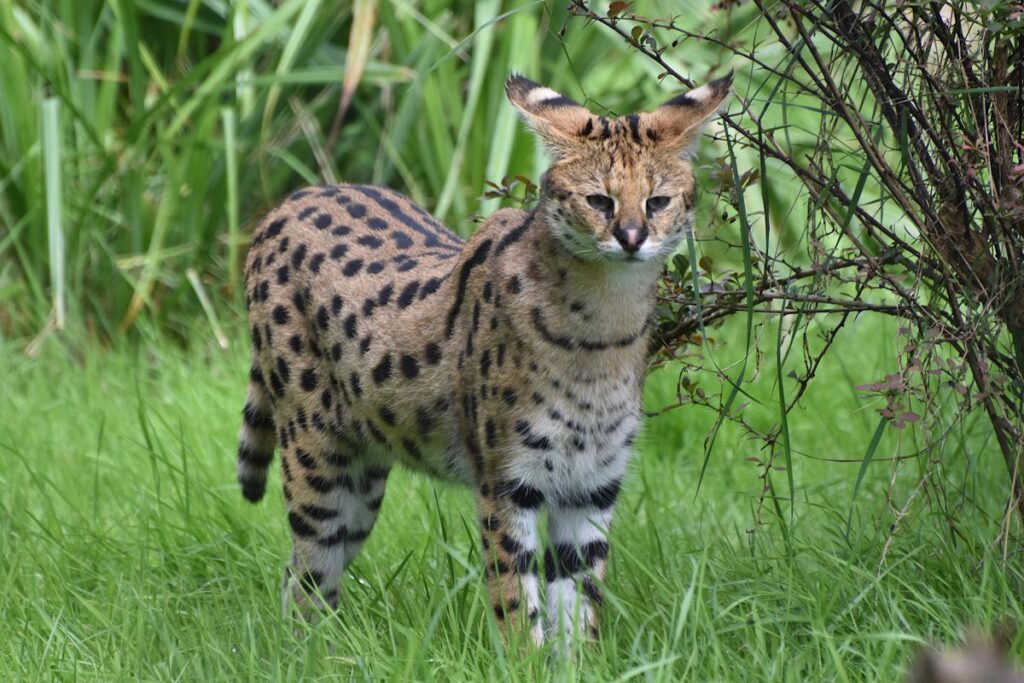
Wildlife specialists who looked at the footage believe the animal is most likely a serval or a Savannah cat rather than a native British species. Servals are medium-sized African wild cats with long legs, oversized ears and a distinctive spotted coat, features that can make them look like a miniature leopard from a distance. A Savannah is a hybrid breed created by crossing a serval with a domestic cat, so it can share many of those striking looks; first-generation Savannahs are half serval, while later generations are further removed from their wild ancestor.
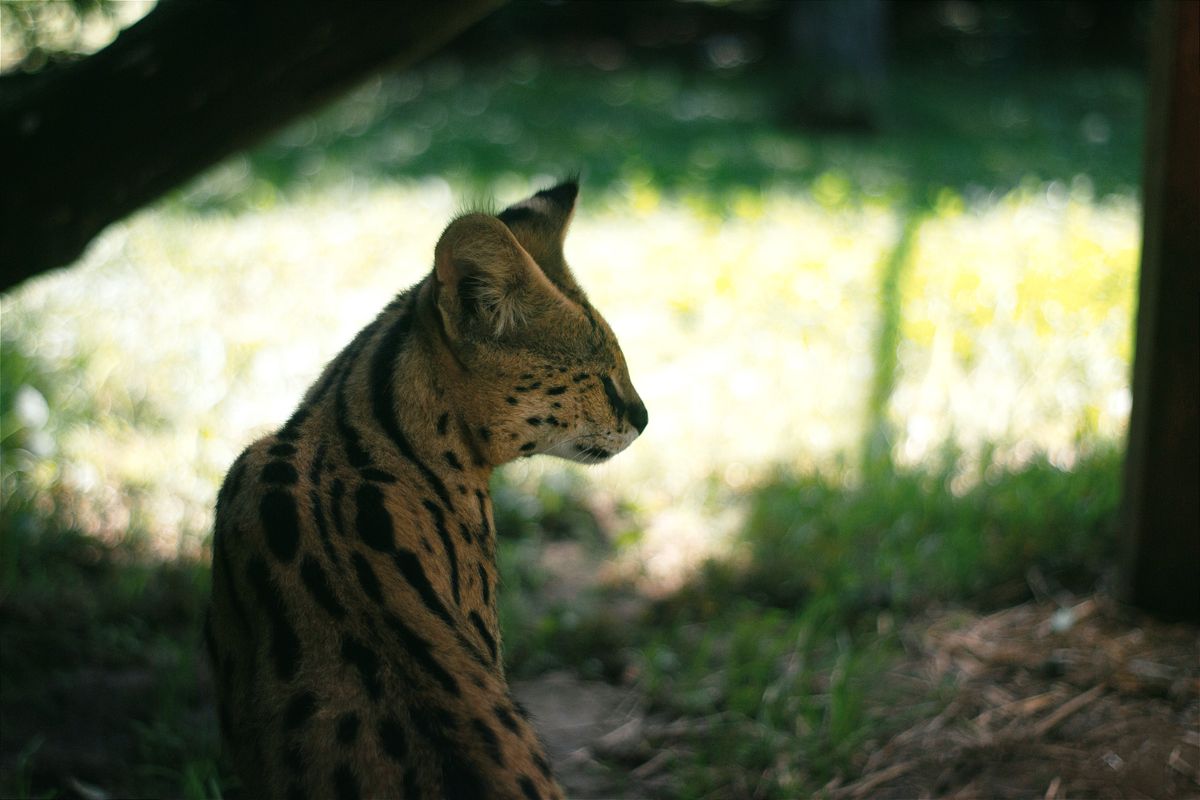
Kevin Murphy of Norfolk Wildlife Rescue noted that while servals “are smaller cats than tigers and lions… they are still big animals to have”, and said owners should make sure any enclosure is secure. The most likely explanation was an escaped pet, though at the time of writing its owner had not been confirmed.
Why a Serval Is Not an Ordinary House Cat
It is easy to see the appeal of an animal that looks this exotic, but servals and high-percentage Savannahs have needs that are very different from those of a typical pet cat. Animal welfare groups, including the RSPCA, have long pointed out that their requirements can be complex and are often poorly suited to a standard household. Some of the practical realities include:
- Space and exercise: servals are active, athletic hunters that can leap several metres and need large, secure outdoor enclosures.
- Diet: they typically require a specialised whole-prey or raw diet rather than ordinary tinned cat food.
- Behaviour: strong hunting instincts and territorial scent-marking can be challenging to manage indoors.
- Legal status: in Great Britain, the serval is named in the schedule to the Dangerous Wild Animals Act 1976, so keeping one requires a licence, and rules vary widely by country and state.
Here in Australia, exotic cats such as servals and Savannah cats are tightly restricted or prohibited under biosecurity and invasive-species rules, largely to protect native wildlife. The federal government banned the import of Savannah cats in 2008 over concerns they could add size and hunting ability to feral cat populations. Anyone curious about keeping an unusual pet should always check current local and state regulations before going any further.
What to Do If You Spot a Big Cat Near You
Sightings like the one at Bramerton are rare, and in most cases the animal is an escaped pet rather than a dangerous predator. Even so, it is sensible to be cautious and considerate. If you ever come across a large, unfamiliar cat:
- Keep a safe, respectful distance and do not try to approach, corner or capture it.
- Put your own pets on a lead or bring them indoors until the animal has moved on.
- Take a photo or short video from afar if you can do so safely: it genuinely helps experts identify the species.
- Report the sighting to your local animal rescue, the RSPCA (or its equivalent) or the local authorities so the owner can be traced.
- Avoid spreading unverified alarm online; let trained responders confirm what the animal actually is.
The Bigger Picture for Pet Owners
Stories like this are a useful reminder that the more exotic an animal is, the more specialised care it tends to need. Escapes can put both the animal and local wildlife at risk, which is exactly why licensing and welfare rules exist. For the vast majority of households, a well-cared-for domestic cat offers all the companionship of a feline friend without the legal and welfare complications of a wild species. If you are ever unsure about the needs, health or temperament of any cat, exotic or otherwise, consult a licensed veterinarian for advice specific to your situation.
Final Thoughts
At the time of writing, the Bramerton cat’s owner had yet to come forward, and rescuers were continuing to monitor the area. Later UK reports said the animal was an escaped Savannah cat that was eventually caught in a Bramerton garden by Norfolk Wildlife Rescue. Whatever the outcome, the sighting is a fascinating glimpse of just how unusual some privately kept animals can be, and a gentle nudge for all of us to think carefully about what responsible pet ownership really means.