
Extra weight creeps onto dogs and cats so slowly that most owners never see it happen. A slightly bigger scoop here, a few more treats there, a walk that quietly shrinks over a cold month or two, and suddenly the vet is gently mentioning the word “overweight” at the annual check. You are in good company if that sounds familiar. Excess weight is one of the most common health problems vets see in Australian pets, and it is also one of the most fixable. This guide shows you how to check your pet at home, why the extra kilos matter, why simply feeding less often fails, and how to help your dog or cat slim down safely.
How common is it?
An Australian study of dogs seen in veterinary practices found about a third were overweight and a further 7.6% were obese, so roughly four in ten dogs were carrying too much. Cats are not far behind. PetSure’s Australian claims data shows the share of overweight or obese cats climbing from 17% in their first year of life to 37% in their second year and 53% by seven to eight years of age, according to its feline obesity report. Middle-aged, desexed and food-motivated pets are the most likely to gain weight.
How to tell if your dog or cat is overweight
You do not need scales to get a good read. Vets use a body condition score, usually on a 1 to 9 scale where 4 to 5 is ideal, and you can do a simple version at home in under a minute. The RSPCA Australia Knowledgebase recommends three checks:
- Feel the ribs. Run your hands gently along your pet’s sides. You should be able to feel the ribs easily under a thin layer of fat, a bit like feeling the back of your hand. If you have to press firmly to find them, there is too much padding.
- Look from above. There should be a visible waist tucking in behind the ribs, more hourglass than barrel. A straight or bulging outline means extra weight.
- Look from the side. The belly should tuck up towards the back legs rather than hang level or sag.
Cats can also hint at weight gain through behaviour: struggling to jump onto furniture, sleeping more and playing less, or leaving their lower back and tail ungroomed because they can no longer reach.
Repeat the hands-on check about once a month, and weigh your pet every few weeks so a slow trend shows up early. Many vet clinics are happy for you to pop in and use their scales, and some run nurse weight clinics. Small dogs and cats can be weighed at home: weigh yourself, then weigh yourself holding your pet, and subtract. If you are unsure what you are feeling for, ask your vet or vet nurse to show you. It only takes a couple of minutes.
Why extra weight is a bigger deal than it looks
Extra fat is not just cosmetic. It keeps the body in a state of low-grade inflammation and puts real strain on joints, heart and lungs. Carrying too much weight is linked to:
- Arthritis and joint injuries, common in breeds such as Labradors, golden retrievers and cavoodles, and worse in cold weather when stiff joints already ache.
- Diabetes, particularly in cats, where excess weight is a major risk factor because it makes the body less responsive to insulin.
- Heart and breathing problems, which hit flat-faced breeds especially hard.
- Heat intolerance. Heavier pets struggle to cool down, which matters a great deal in an Australian summer.
- A shorter life. In a well-known lifetime study of Labradors, dogs fed 25% less than their littermates stayed leaner and lived a median of about 1.8 years longer, with age-related diseases such as arthritis showing up later.
If your pet already has a chronic condition, losing weight can make a noticeable difference to comfort. See our guides to easing joint pain in older dogs and cats and feline diabetes.
Why pets put on weight
It comes down to more energy going in than is being burned, but the reasons behind that are very ordinary:
- Generous scoops. Most owners overestimate portions, and a “cup” of kibble can easily be half as much again with a big scoop.
- Treats and table scraps. A corner of toast, a bit of roast lamb or an extra dental chew can be a large share of a small dog’s or cat’s daily needs.
- Less exercise. Walks shrink in wet or dark weather, and indoor cats nap even more.
- Desexing and age. Desexed and older pets generally need fewer kilojoules, but the bowl often stays the same size.
- Free-feeding. Leaving food out all day makes it hard to know how much is actually eaten.
None of this is about blame. It is about noticing the patterns and making small, kind changes.
Why “just feed less” often backfires
The obvious fix is to tip less into the bowl, but researchers at the University of Sydney School of Veterinary Science point out that this alone often fails. Hungry pets wolf down smaller meals, then beg, pester and protest until a guilty owner gives in. Calorie restriction can also alter metabolism, so early progress may be slow and owners lose heart.
The approach that works better treats weight as a behaviour and lifestyle issue, not just a maths problem. That means counting every treat and scrap, choosing a complete diet that keeps your pet satisfied on fewer kilojoules, and using play and foraging to burn energy and fill the time that used to be spent begging.
How to help your pet lose weight safely
Start with a vet check
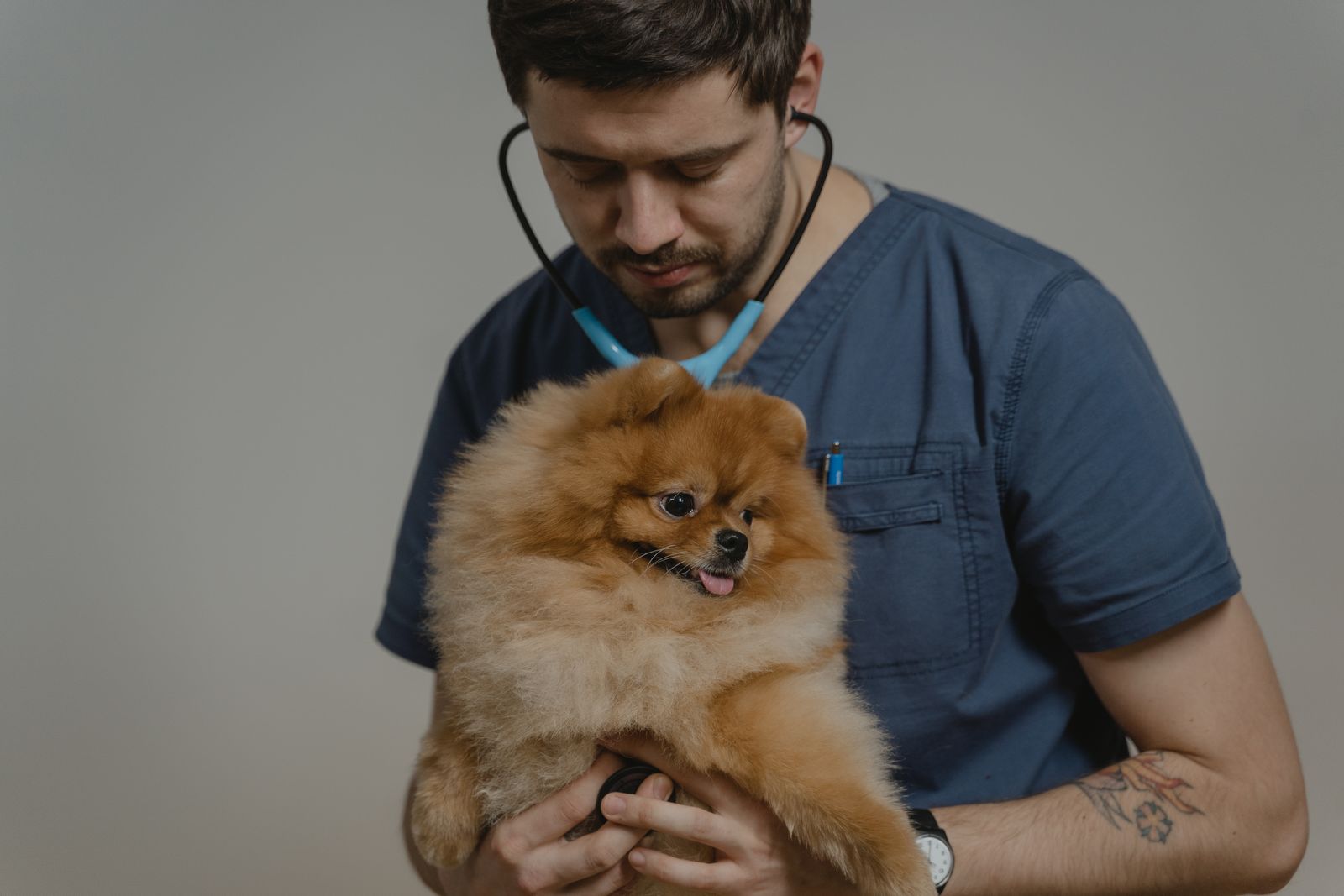
Before you change anything, book a check-up. Your vet can confirm the body condition score, rule out medical causes of weight gain such as an underactive thyroid, set a target weight and calculate a daily energy allowance. For pets with a lot to lose, a prescription weight-loss diet can keep them full while delivering fewer kilojoules.
Go slowly
Slow and steady is the safe rate. Veterinary guidance generally aims for about 0.5% to 2% of body weight per week, and cats should sit at the gentler end. Crash diets are dangerous for cats in particular: when an overweight cat stops eating or is starved, fat floods the liver and can cause a serious condition called hepatic lipidosis. Never put a cat on a drastic diet at home.
Measure every meal
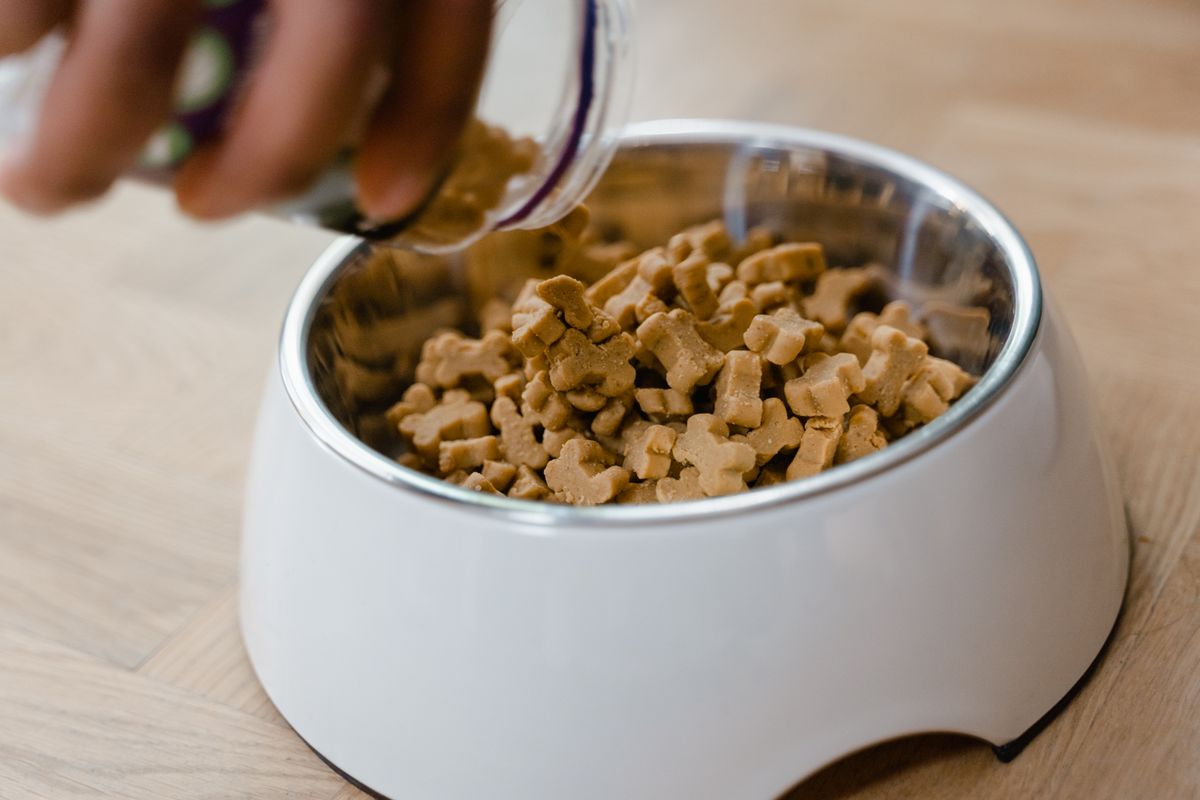
Weighing food on kitchen scales is the single most effective change most owners can make. Use the feeding guide on the pack for your pet’s target weight, not their current one, as a starting point, then adjust with your vet.
Budget the treats
As a rule of thumb, treats should make up no more than about 10% of daily kilojoules, and that includes training rewards. Good swaps:
- Set aside some of your pet’s daily kibble and use it as treats.
- For dogs, small pieces of carrot, green beans, cucumber or plain cooked pumpkin.
- For cats, a few flakes of plain cooked chicken or fish, deducted from the day’s allowance.
Avoid high-kilojoule extras such as cheese, and never offer grapes, sultanas, onion, garlic or anything containing xylitol, which are toxic to pets.
Feed to a routine, not to the begging
Two or three measured meals a day beat free-feeding. Smaller, more frequent meals help pets feel fuller, and a set routine makes changes in appetite easier to spot.
Make food work for it
Puzzle feeders, snuffle mats, slow-feeder bowls and scatter-feeding part of the daily ration turn a 30-second meal into ten minutes of activity. A “treasure hunt” around the house gives dogs and cats a natural outlet for foraging and leaves less time for begging. When your pet does ask for food between meals, redirect them with a chew toy, a game or a short walk instead.
Move more, gently
Build up slowly, adding a few minutes of walking each week. For cats, a wand toy session before dinner works well. Our indoor cat enrichment guide has plenty of ideas for contained cats.
Exercise ideas for every Australian season
Weight often goes on in the cooler months and needs to come off when it is hot, so plan for the weather:
- Winter and wet days. Dark mornings and cold evenings are when walks get skipped. Bring the exercise inside with hallway fetch, tug, hide-and-seek with kibble, short training sessions or stairs for fit, healthy pets. Our indoor enrichment ideas for dogs are built for exactly this. A coat for short-coated or older dogs and a midday stroll when the sun is out also help.
- Spring and summer. Walk early in the morning or late in the evening, never in the heat of the day. Test the pavement with the back of your hand: if it is too hot for you, it is too hot for paws. Carry water and take shade breaks. Overweight and flat-faced dogs overheat quickly, so read our heatstroke guide before the first hot day.
- Older or stiff pets. Warm up with a gentle start, keep sessions short and frequent, and avoid vigorous exercise straight before or after meals.
When to see your vet
Book a check-up if your pet:
- Keeps gaining weight despite measured meals and more activity
- Is losing weight without trying, which can signal illness
- Has other changes such as increased thirst, low energy, a poor coat or a change in appetite
- Is a cat that has stopped eating, even for a day
- Has a lot of weight to lose or an existing health condition
Frequently asked questions
How much weight is too much?
Each point above ideal on the 1 to 9 body condition scale represents roughly 10% extra body weight. As a rough guide, pets more than about 10 to 15% above their ideal weight are considered overweight, and 20% or more is classed as obese. The rib, waist and tummy-tuck checks are more useful day to day than chasing a number.
Do pets really gain more weight in winter?
Many do. Colder, darker days usually mean less exercise and more comfort feeding, and most pet dogs and indoor cats need slightly fewer kilojoules when they move less, not more. Working dogs living outdoors can be an exception, so check with your vet.
Do indoor cats gain more weight?
They can, especially if they are food-motivated or bored. Interactive play, climbing shelves and puzzle feeders help keep indoor cats active and engaged.
How long will it take my pet to lose weight?
Usually months rather than weeks. At a safe rate, a cat with a few kilos to lose may take the better part of a year. Regular weigh-ins and small adjustments keep things on track.
Should I put my pet on a diet at home?
Measuring meals, cutting back on treats and adding activity are sensible first steps. For a proper weight-loss program, especially for cats or pets with other health conditions, work with your vet so the plan is safe and effective. A quick read of our guide to reading pet food labels will also help you compare foods.
Key takeaways
- Roughly four in ten Australian dogs, and around half of middle-aged cats, are carrying too much weight.
- Use the ribs, waist and tummy-tuck check monthly, and weigh your pet every few weeks.
- Extra weight raises the risk of arthritis, diabetes, heat stress and a shorter life.
- Simply feeding less often fails. Combine measured meals, a treat budget, enrichment and gentle exercise.
- Aim for slow loss of about 0.5 to 2% of body weight a week, and never crash-diet a cat.
- Start with a vet check to rule out medical causes and set a safe target.
This article is general information for Australian dog and cat owners and is not a substitute for advice from a registered veterinarian. Talk to your vet before starting your pet on a weight-loss plan.