Is doggy daycare actually worth it?
As the winter school holidays wrap up across much of Australia and households return to work-and-school routines, many owners start weighing up doggy daycare. The honest answer on whether it’s worth it: for the right dog, yes. A well-run centre burns off energy, breaks up a long day home alone and keeps a social dog settled. But it isn’t the right call for every dog or budget, and the gap between a great centre and a poor one is wide. Here’s how to judge both.
What doggy daycare costs in Australia in 2026
Prices vary a lot by city, by your dog’s size and by how fancy the facility is (indoor pools, live webcams and small-group care all push the price up). As a rough 2026 guide, here is what a selection of real Australian providers publish. Treat these as examples, not a survey of every centre:
| Type / location | Example full day (AUD) |
|---|---|
| Home-based daycare (sitter platforms) | About $20 to $50 (PetCloud) |
| Entry-level and regional centres | From about $49 to $50 (e.g. Pet Resorts Australia, from $49, varies by location; The DoGRoom, Duroby NSW, $50) |
| Melbourne | $60 to $90 (e.g. DogTown, Moorabbin, $70 a day or $60 a day on a 20-visit pack; Dogdayz, $60 to $90 by size, transport included) |
| Sydney | $62 to $94 (e.g. The Hound Lounge, Camperdown, $70; Dog Royalty, Mortdale, from $62 for a small dog to $94 for an extra-large dog, pick-up included) |
| Premium extras (pools, webcams, small groups) | Usually charged above a centre’s standard rate; ask for a written price list |
Prices are indicative ranges from the sources linked above (checked October 2026) and vary by provider, location and your dog’s needs.
Many centres offer a trial or assessment day, plus weekly or prepaid multi-visit packs that cut the effective daily rate. DogTown, for example, drops from $70 to $60 a day on a 20-visit pack (DogTown), and The Hound Lounge takes 10% off blocks of five or more days (The Hound Lounge). That is usually where the value sits if you only need a day or two a week.
The health rule you can’t skip: vaccination
Before any reputable centre lets your dog through the gate, they will ask for proof of vaccination, and this is the part not to cut corners on. Most Australian daycares and boarding facilities require a current C5, which adds protection against canine cough (kennel cough) on top of the core C3. The RSPCA notes the kennel-cough components are recommended for dogs who regularly mix with others “on walks, at the park, day-care, puppy preschool, or boarding”. Kennel cough spreads easily through the air and on shared bowls and toys wherever dogs gather (Greencross Vets), so vaccinating is about protecting the whole group, not just your own dog.
Two practical notes. The canine-cough component is usually topped up yearly, while the core vaccines are given every one to three years depending on the product, and Greencross vets suggest a booster about two weeks before a dog starts kennels or daycare so it has time to work. And vaccination isn’t 100% effective, though it helps reduce the severity of illness (Greencross Vets), so a good centre still sends a coughing dog home rather than risk an outbreak. For more, see our guides to kennel cough in Australian dogs and the dog and cat vaccination schedule and costs.
How to tell a good daycare from a risky one
A shiny website tells you nothing. Before you book, visit in person and work through this checklist. Much of it echoes what vets and pet-care specialists advise (Preventive Vet):
- Ask the staff-to-dog ratio and who actively watches the dogs during play. Preventive Vet suggests at least one trained staff member for every eight to ten dogs, and fewer dogs per handler in high-energy groups.
- Ask for a tour or a look at a real play session. Some centres limit walk-throughs during opening hours to avoid stressing the dogs, but a good one will still show you the facility, or let you watch via webcam or video. A centre that won’t show you anything is a red flag.
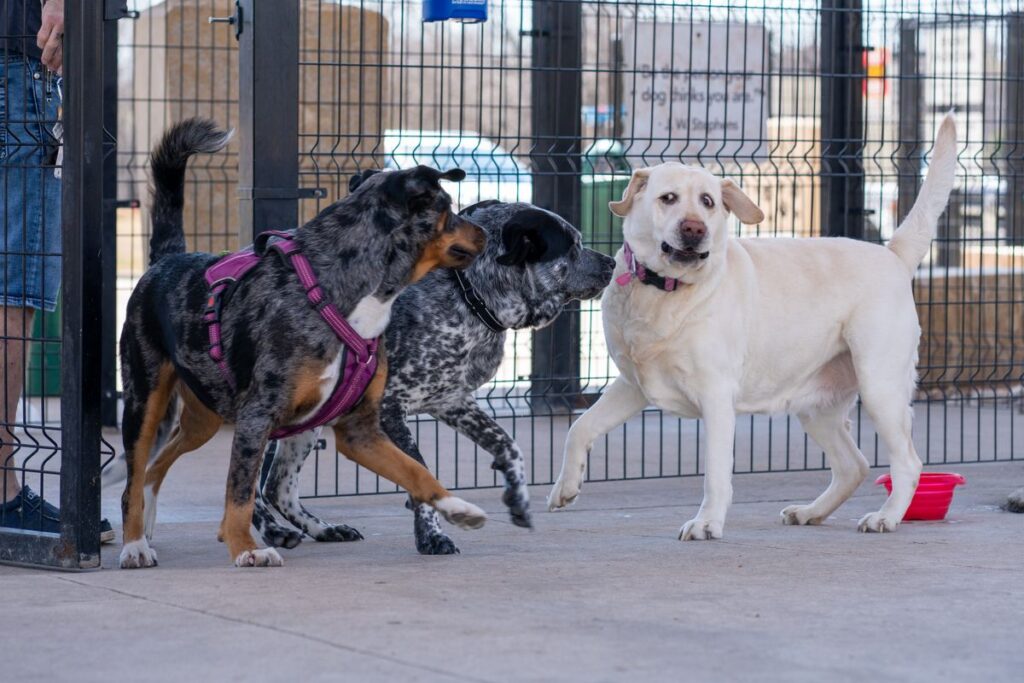
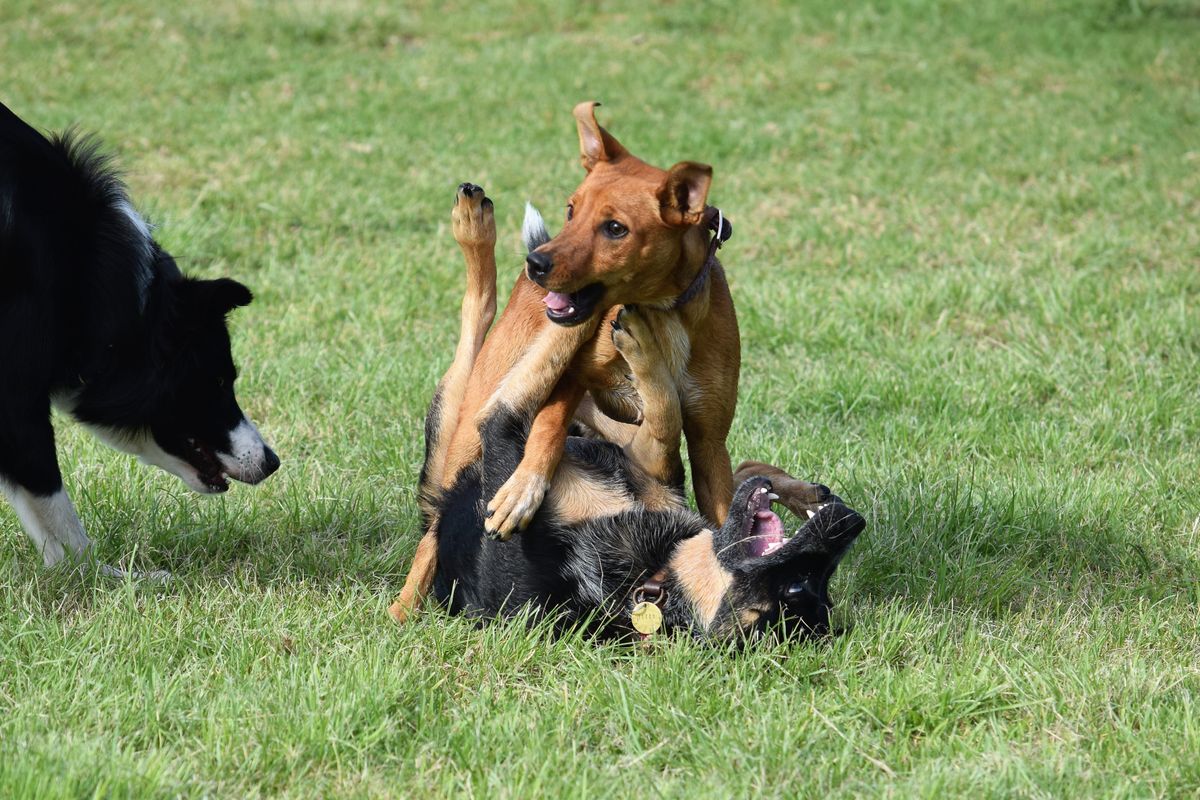
- Check dogs are grouped by size, energy and temperament, with quiet rest areas. Non-stop, all-day play is stressful, not fun.
- Look for trained staff who can read canine body language, step in early to break up mounting or bullying, and hold pet first-aid knowledge.
- Confirm the basics: a written vaccination policy, clean floors, secure double-gated fencing, and a clear plan for fights, injuries or a dog that isn’t coping.
- Ask about the assessment day: good centres trial your dog with the group before committing to regular bookings.
Is your dog actually suited to daycare?
Daycare suits confident, social, fully vaccinated adult dogs who genuinely enjoy other dogs’ company. It’s often the wrong fit for:
- Puppies who aren’t yet fully vaccinated (ask your vet when group play is safe).
- Dogs who are fearful, reactive or simply don’t like other dogs; forced socialising can deepen anxiety rather than fix it.
- Unwell, elderly or recovering dogs who need rest, not a busy play floor.
- Entire (undesexed) dogs, which some centres won’t accept.
If your dog’s real issue is distress at being left alone, daycare can help, but it treats the symptom, not the cause. Our guide to settling separation anxiety after the holidays is a better starting point there.
Key takeaways
- Published centre rates we checked run from about $49 (Pet Resorts Australia) to $94 a day (Dog Royalty), with packages trimming the cost.
- A current C5 (kennel-cough) vaccination is standard; the cough component usually needs a yearly top-up, ideally about two weeks before the first visit.
- Judge a centre by supervision ratio, grouping, rest areas and transparency, not its marketing.
- Daycare is great for social dogs; it’s the wrong tool for fearful, unwell or under-vaccinated ones.
Frequently asked questions
How much does doggy daycare cost in Australia?
It depends on your city, your dog’s size and the facility. Published full-day rates we checked in October 2026 ranged from about $49 (Pet Resorts Australia) to $94 for an extra-large dog in Sydney (Dog Royalty), while home-based daycare booked through a sitter platform can cost about $20 to $50 (PetCloud). Weekly and prepaid packages typically reduce the effective daily rate.
What vaccinations does my dog need for daycare?
Most Australian centres require a current C5, which covers the core C3 plus canine cough. The RSPCA recommends canine-cough protection for dogs that attend day-care. The cough component generally needs an annual booster, ideally given about two weeks before your dog’s first day.
Is doggy daycare good for anxious dogs?
Not always. A busy group environment can overwhelm a fearful or reactive dog and make anxiety worse. If separation distress is the problem, talk to your vet or a qualified behaviour professional about a plan tailored to your dog.
About this article
Written by GoPetr Writer, who covers everyday dog and cat care for Australian pet owners. This is general information only, not a substitute for advice from your own vet. If your dog is unwell or you’re unsure about vaccinations or whether daycare suits them, check with a licensed Australian veterinarian. You can find clinics and welfare resources through the RSPCA or your local vet.