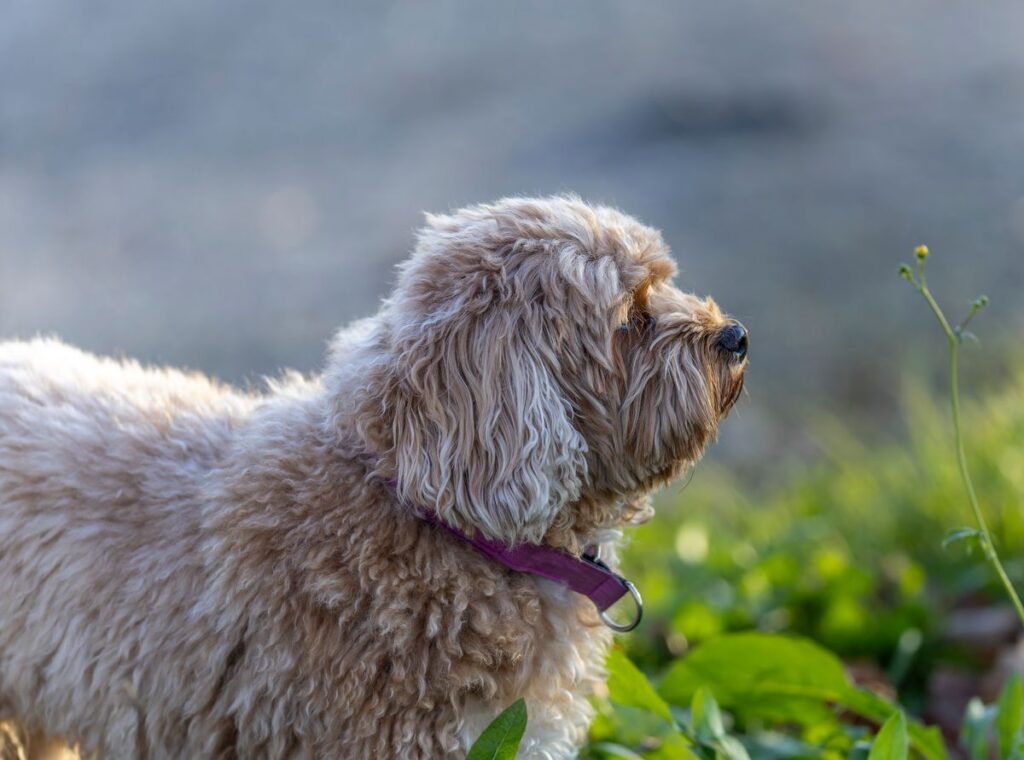
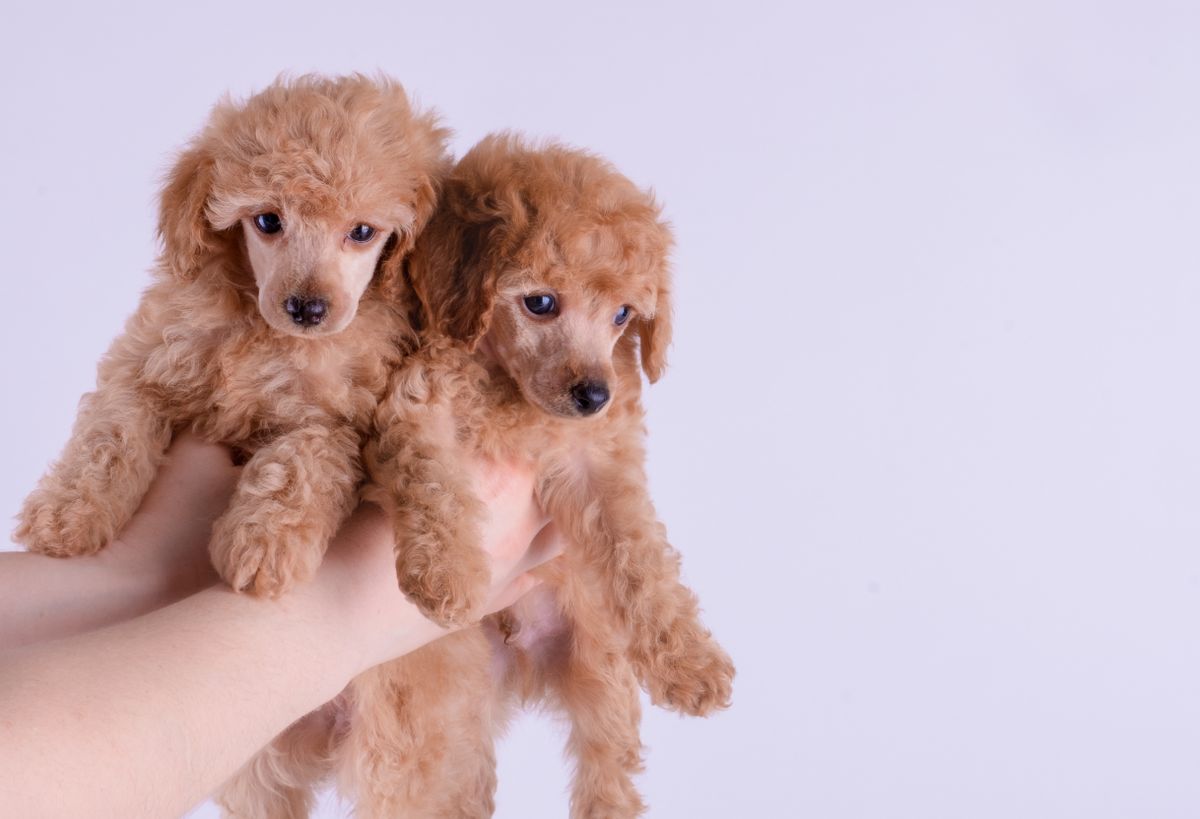
Walk through any Aussie dog park and you will spot them everywhere: curly, low-shedding dogs with names ending in “oodle”. The Cavoodle, a Cavalier King Charles Spaniel crossed with a Poodle, regularly sits at or near the top of Australia’s most popular dog lists. That popularity has a downside. High demand brings rushed buyers, inflated prices, puppy farms and a steady stream of online scams. Before you fall for those puppy-dog eyes, here is how to choose a healthy Cavoodle, spot a responsible breeder and avoid getting scammed.
Why Cavoodles are so popular
Cavoodles tick a lot of boxes for Australian households. They are small enough for apartments and townhouses, usually affectionate and good with children, and their Poodle heritage often means a coat that sheds very little. That mix is exactly why they sell for thousands of dollars, and exactly why scammers and careless breeders target them. Popularity is no guarantee of a healthy dog, so the real work happens before you hand over a cent.
One myth worth clearing up early: “hypoallergenic” is a marketing term, not a promise. No dog is completely allergen-free, and coat type can vary even between puppies in the same litter. If anyone in your home has allergies, spend time around the breed before you commit.
The health checks that matter
A crossbreed is not automatically healthier than its parents. A Cavoodle can inherit conditions from both the Cavalier King Charles Spaniel and the Poodle, so a responsible breeder screens the parent dogs and shares the results. Ask specifically about:
- Heart disease. Mitral valve disease is very common in Cavaliers and can lead to heart failure. The Cavalier parent should have regular heart checks, ideally yearly, before and during their breeding life.
- Eyes. Progressive retinal atrophy (PRA), an inherited cause of gradual blindness, occurs in Poodles. The common form can be screened for with a DNA test.
- Knees and hips. Patellar luxation (slipping kneecaps) is common in small dogs, and hip problems can also occur. Parent dogs should be checked by a vet.
- DNA panels. Reputable breeders run DNA tests covering the known inherited conditions of both parent breeds and can show you the certificates.
The phrase to remember is “show me, don’t tell me”. A claim that the parents are “DNA tested” or “vet checked” means little without paperwork that names the dogs and the conditions tested. RSPCA Australia says a responsible breeder should give you complete and accurate information about the medical history of the puppy and its parents, including the risks of inherited disorders and the results of screening tests. If a breeder brushes off your health questions, treat that as a big red flag.
How to spot a responsible breeder
RSPCA Australia’s advice is simple but powerful: visit the place where the puppy was born and raised, and insist on meeting the mother (and the father if possible). Both should look healthy and happy. The RSPCA Smart Puppy and Dog Buyer’s Guide is the benchmark checklist. Before you commit, ask:
- Can I see the puppy with its mother, where it was raised?
- Can I see written health records, screening results and DNA reports for both parents?
- Is the puppy microchipped and vaccinated, and what records come with it?
- Has the puppy been desexed, or what are your desexing arrangements?
- How many litters has the mother had, and how often do you breed her?
- Are you registered with your council or state as a breeder where required?
- Will you take the dog back or help if things do not work out?
A good breeder will welcome your questions, ask plenty of their own to make sure you are a good match, and offer support after you take your puppy home. Be wary of anyone advertising many different breeds at once, keeping dogs in cramped or dirty conditions, or refusing a visit. These are hallmarks of puppy farms, which produce designer crosses just as readily as purebreds.
Microchips and ID numbers
Microchipping dogs is compulsory in every state and territory except the Northern Territory, where it is only required in some areas such as the City of Darwin. In several states, including NSW, the ACT, South Australia and Western Australia, a puppy must be microchipped before it is sold or given away. Many states also require ads to carry identifying numbers. In NSW, ads must include an identification number such as a microchip or breeder identification number, and in Victoria ads must show the microchip number and a source number from the Pet Exchange Register. The RSPCA’s state-by-state summary explains the rules where you live. A missing or vague number is a reason to ask questions, and a reason to walk away if the answers do not add up.
What a Cavoodle costs
A well-bred Cavoodle from a breeder who health-tests their dogs typically costs several thousand dollars, and smaller “toy” sizes often cost more. That price should reflect parent health testing, vet care, vaccinations and proper early socialisation. It also means a bargain price is one of the clearest warning signs of a scam or a backyard operation cutting corners.
The purchase price is only the start. Budget for vaccinations, parasite prevention, desexing, food, training and regular grooming. Our guides to first-year costs for new dog owners and whether pet insurance is worth it help you plan.
Spotting a Cavoodle scam
Puppy scams boom whenever demand is high, and Cavoodles are a favourite target. When the ACCC’s Scamwatch warned about a surge in puppy scams in 2020, Australians had reported almost $1 million in losses in seven months, and Cavoodles were the most commonly reported breed, ahead of French Bulldogs. Scammers copy real breeders’ photos, build convincing websites and ads, take a deposit for a puppy that does not exist, then invent extra fees for transport, insurance or vet certificates. Watch for these red flags:
- The seller will not let you visit, or offers to deliver or fly the puppy to you sight unseen.
- They will not do a live video call showing the puppy with its mother.
- Payment must be by bank transfer, gift cards or cryptocurrency, often to an account in a different name.
- The price is far below what other breeders charge.
- There is sudden pressure to pay a deposit “before someone else does”.
- Extra, unexpected fees keep appearing after the first payment.
- The website is thin on real detail, with reused photos and no checkable address, phone number or breeder ID.
The safest rule: never pay for a puppy you have not seen in person with its mother. If something feels off, slow down. A genuine breeder will still be there tomorrow. Our guide to avoiding puppy scams covers more tactics and what to do if you have been caught out.
Grooming and care: the realities new owners miss
That curly coat is a commitment. Cavoodles shed little, but their coats keep growing and will mat without regular brushing at home and a professional clip every six to eight weeks or so. Matting can be painful and hide skin problems, so build grooming into your budget and routine. Our guide to preventing matting in Cavoodles has practical tips.
Cavoodles are sociable dogs that usually want to be with their people, so think about how much time they would spend alone. Early, gentle socialisation and reward-based training help them grow into confident adults.
Don’t forget the rescue option
Cavoodles and other oodle crosses do turn up in shelters and breed-specific rescue groups, often when owners underestimate the time or grooming involved. Adopting through the RSPCA or another reputable rescue usually means the dog is already vet-checked, microchipped and desexed, which sidesteps much of the buying risk. It is well worth a look before you commit to a breeder.
Your first weeks at home
Whatever route you take, book a vet check soon after bringing your puppy home. Your vet can confirm the puppy is healthy, listen to the heart, check the knees and eyes, scan the microchip and plan vaccinations and parasite prevention. See our vaccination schedule and cost guide. Make sure the microchip details are transferred into your name. Then focus on socialisation during the critical early weeks.
Frequently asked questions
Are Cavoodles hypoallergenic?
No dog is truly hypoallergenic. Many Cavoodles shed very little, which some allergy sufferers find easier to live with, but reactions vary and coat type differs between puppies. Spend time with the breed before buying if anyone at home has allergies.
How much should a Cavoodle cost in Australia?
Expect to pay several thousand dollars from a reputable breeder who health-tests their dogs, with toy sizes often costing more. A price well below what other breeders charge is a classic scam or puppy farm warning sign.
Is a crossbreed healthier than a purebred?
Not automatically. A Cavoodle can inherit health problems from either parent breed, including heart disease from the Cavalier side and eye disease from the Poodle side. Parent health testing matters more than the label.
How do I avoid a puppy scam?
Never pay a deposit for a puppy you have not seen with its mother. Visit in person if at all possible, check microchip and breeder numbers, avoid bank transfers to unknown accounts, and walk away from pressure to pay quickly.
What should I do if I think I have been scammed?
Contact your bank straight away to try to stop or recover the payment, stop all contact with the seller, and report it to Scamwatch and, if money has been lost, to police.
Key takeaways
- Cavoodles are hugely popular in Australia, which makes them a prime target for scammers and puppy farms.
- Ask for parent health clearances and DNA reports covering heart, eyes, knees and hips, and insist on seeing the paperwork.
- Always see the puppy with its mother where it was raised, and check microchip and breeder ID numbers.
- Treat bargain prices, no-visit sellers, delivery offers and odd payment requests as red flags.
- Budget for grooming every six to eight weeks, consider rescue, and book a vet check soon after your puppy comes home.
This article is general information for Australian dog buyers and is not a substitute for advice from a registered veterinarian or your state or territory authority. Rules on microchipping, breeding and advertising vary by state, so check your local requirements.