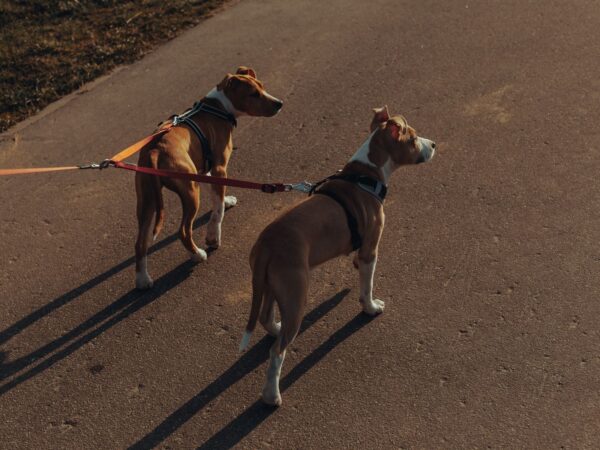
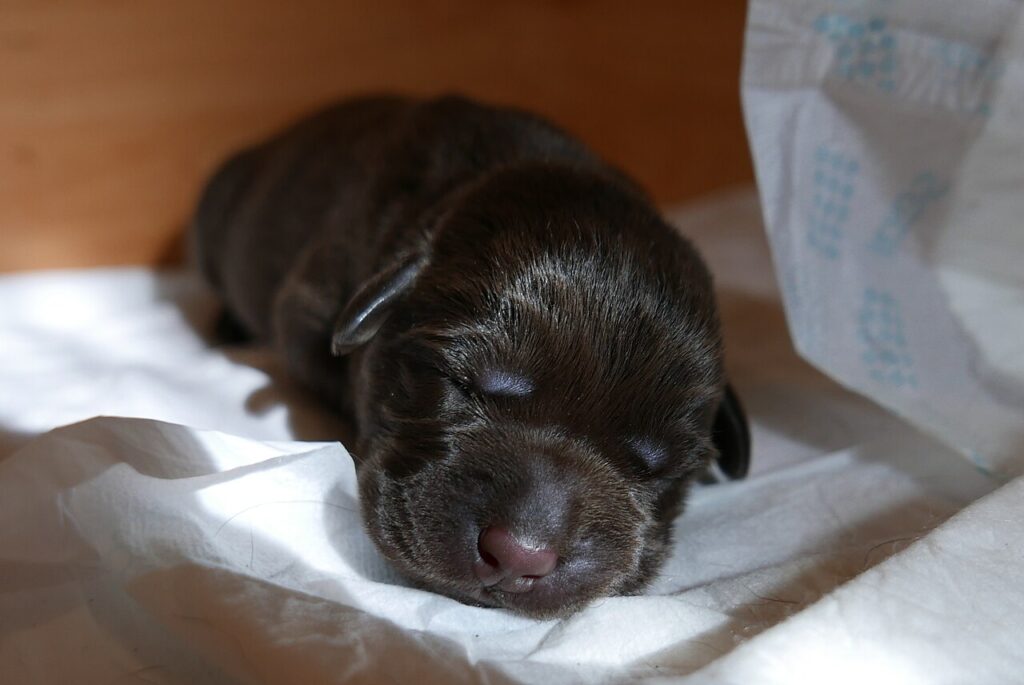
The July school holidays have a familiar soundtrack in Aussie homes: “Can we please get a puppy?” With the kids at home and everyone craving a bit of warmth and company through the cold months, it feels like the perfect time to bring a new dog or cat into the family. Unfortunately, scammers know this too. Fake pet sellers target times when demand is high, and hopeful families can end up hundreds or even thousands of dollars out of pocket with no puppy to show for it.
Here is how to spot a puppy scam a mile off, buy or adopt safely, and make sure the only surprise this winter is a happy new furry housemate.
Why puppy scams spike over the school holidays
Pet scams have grown sharply in Australia over recent years. The ACCC reported that puppy scam losses rose from around $360,000 in 2019 to more than $1.3 million in 2020 as more buying moved online (ACCC warning on lockdown puppy scams), and animal welfare group FOUR PAWS, citing ACCC figures, put 2021 losses at about $4.2 million. Busy periods like the holidays can make it worse: demand goes up, people shop on their phones between activities, and an emotional decision often wins out over a careful one. Scammers simply post cute photos, name a bargain price, and wait.
How a typical puppy scam works
Most scams follow the same script. A seller advertises a popular breed on social media or a marketplace, often using photos taken from somewhere else. The price is tempting, the messages are warm, and there is a gentle push to pay a deposit quickly “before someone else does”. Once you have paid, the requests keep coming: a special crate, pet insurance, a vaccination fee, or “quarantine” costs because the pup is supposedly interstate or overseas. Then the seller vanishes.
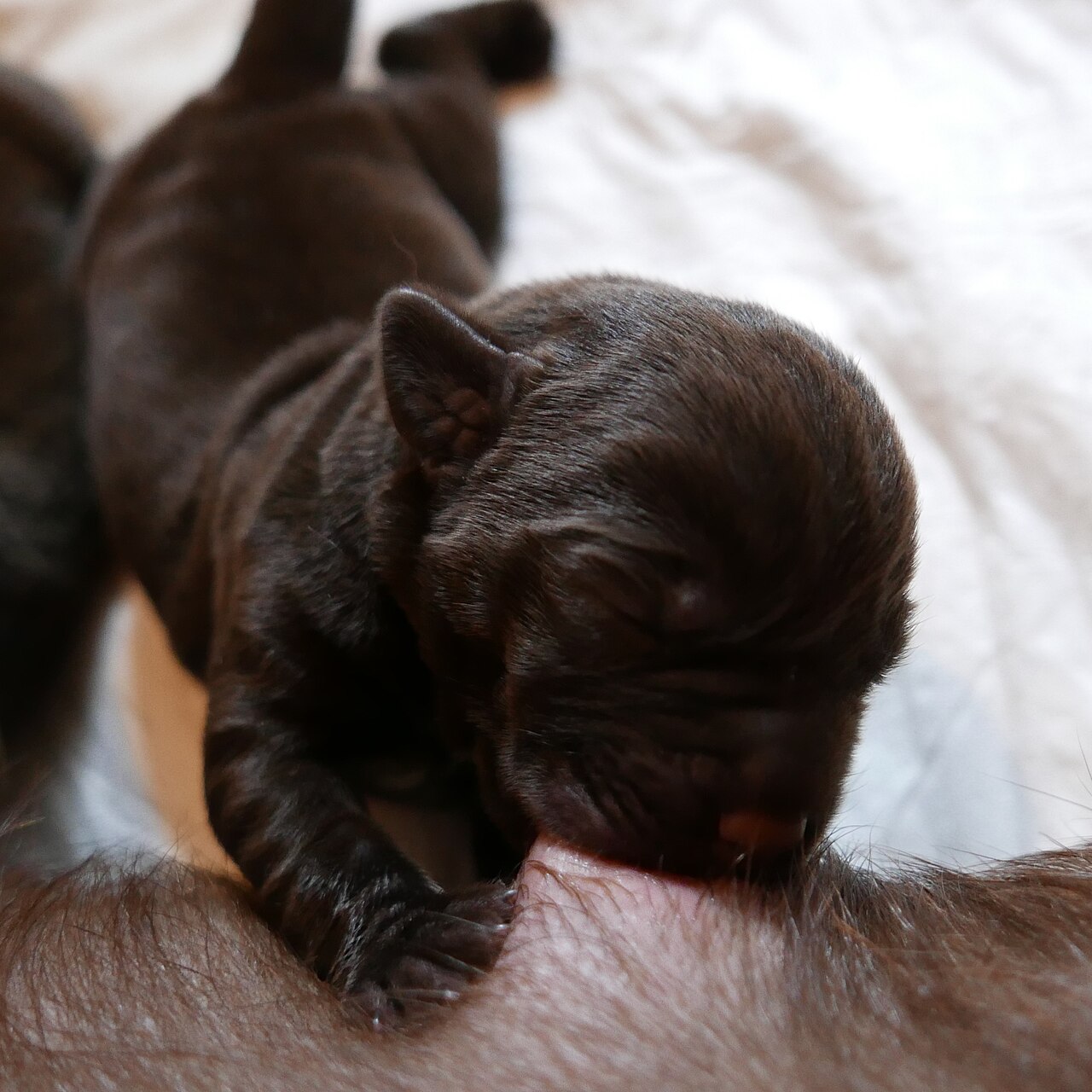
Seven red flags of a puppy scam
- The price is too good to be true. Pedigree pups going well under everyone else usually are not real.
- You cannot see the puppy live. A genuine seller will happily do a video call showing the pup with its mum.
- They push for a fast deposit. Urgency is a pressure tactic, not a sign of high demand.
- Payment by bank transfer, gift cards or wire only. As Service NSW’s pet scam guidance notes, it is often difficult to get money back once it has been given to scammers.
- The pup is always somewhere else. “Interstate” or “overseas” with transport fees is a classic setup.
- Extra fees keep appearing. Insurance, crates, customs or quarantine costs after the deposit are a major warning sign.
- The wording looks copied. Paste the ad text into a search engine: scam listings often turn up word-for-word elsewhere.
How to buy or adopt safely
- Meet the pet in person before paying anything, ideally where it lives so you can see the mother and the conditions, as the RSPCA’s guide to finding a responsible breeder recommends.
- Do a reverse image search on the photos. If the same picture appears on other sites, walk away.
- Check the breeder’s credentials. Ask for their breeder registration and cross-check with your state or council listings, or a recognised breed club.
- Use traceable, protected payments and never send money by gift card or wire transfer to someone you have not met.
- Consider a shelter or rescue. Groups like the RSPCA and registered rescues let you meet animals in person and handle the paperwork properly.
If you are weighing up the ongoing costs too, it is worth reading our guides on whether pet insurance is worth it in Australia and renting with a pet before you commit.
What to do if you have been scammed
Act quickly. Contact your bank straight away to see if the payment can be stopped or recovered, especially if you paid by card. Then report it to the ACCC’s Scamwatch, through the National Anti-Scam Centre, so your information can help warn others. Save every message, receipt and screenshot: it all helps. Feeling embarrassed is normal, but reporting is exactly how these operations get shut down.
Thinking of adopting instead?
Adoption sidesteps the scam problem almost entirely, because you deal with a real organisation and meet the animal face to face. Shelters are full of dogs and cats needing homes this winter, and staff can match you with a pet that suits your household and lifestyle. Just remember that a school-holiday decision becomes a ten-to-fifteen-year commitment: make sure the whole family is genuinely ready before the holidays end and everyone heads back to work and school.
Frequently asked questions
How can I tell if a puppy seller is legitimate?
A legitimate seller will let you visit in person or do a live video call showing the puppy with its mother, provide breeder registration details, and accept traceable payment. If they refuse a meeting, rush you, or only take gift cards or bank transfers, treat it as a scam.
What payment methods are safest when buying a pet?
Prefer methods with some buyer protection or traceability, and pay only after you have met the animal. Government consumer agencies warn against upfront money transfers to sellers you have not met, because money sent this way is often very difficult to recover.
Where do I report a puppy scam in Australia?
Report it to the ACCC’s Scamwatch via the National Anti-Scam Centre, and contact your bank immediately if you have already paid. Keep all messages and receipts, as they help authorities track and disrupt the scammers.
Key takeaways
- Scammers target busy periods like the school holidays: slow down and do not buy on impulse.
- Never pay before meeting the pet in person or on a live video call.
- Bargain prices, urgency and gift-card or wire payments are classic scam signs.
- Verify breeders, reverse-search photos, and consider adopting from the RSPCA or a registered rescue.
- If you are caught out, contact your bank and report to Scamwatch straight away.