A Major Rescue in Lancaster County
The Pennsylvania SPCA (PSPCA) announced in June 2026 that 78 Ragdoll cats and kittens had been removed from a single home in Lancaster County. According to the organisation, the animals were living in deplorable, unsanitary conditions, and the PSPCA’s Animal Law Enforcement team stepped in to get them to safety.
What Investigators Found
According to the PSPCA’s press release, Lancaster Township Police contacted the PSPCA after attending the home on an unrelated call and seeing waste throughout, trash stacked from floor to ceiling and a large number of free-roaming cats. Officers then executed a search warrant, contending with extreme heat and dangerously high ammonia levels. In its Instagram post, the PSPCA said some of the cats were frightened and some were sick. With assistance from local police, officers spent hours safely removing all 78 cats and kittens. Seventy were signed over to the PSPCA, with the remaining eight held in protective custody pending surrender or the outcome of the court case.
Why So Many Cats? Understanding the Ragdoll Connection
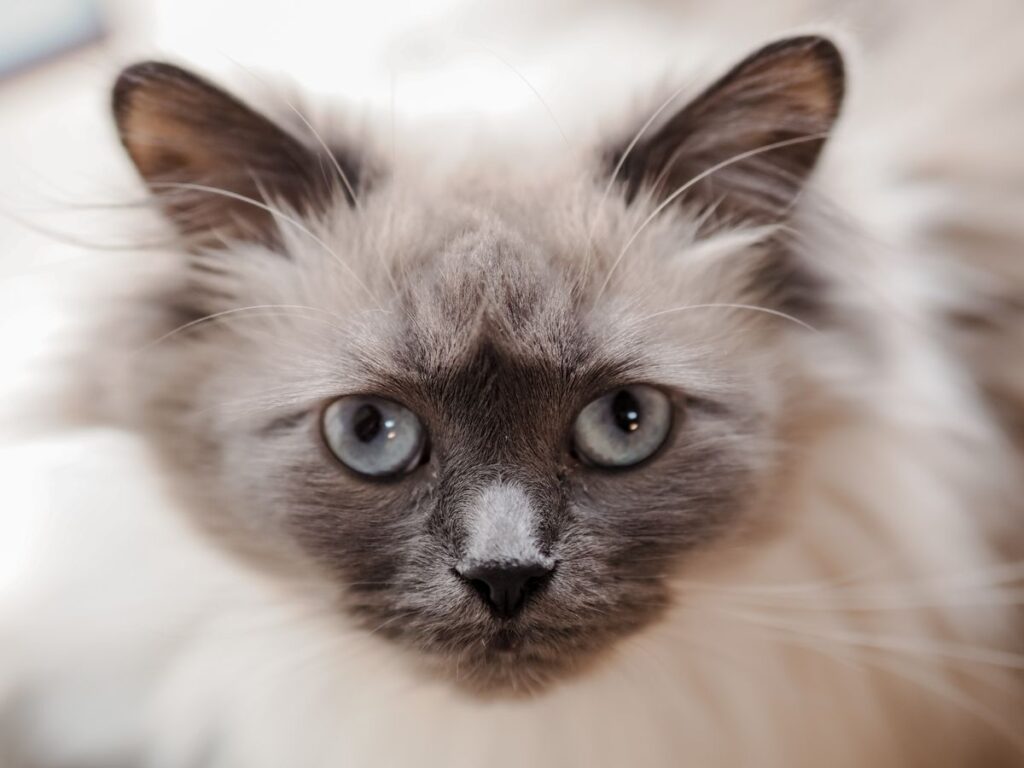
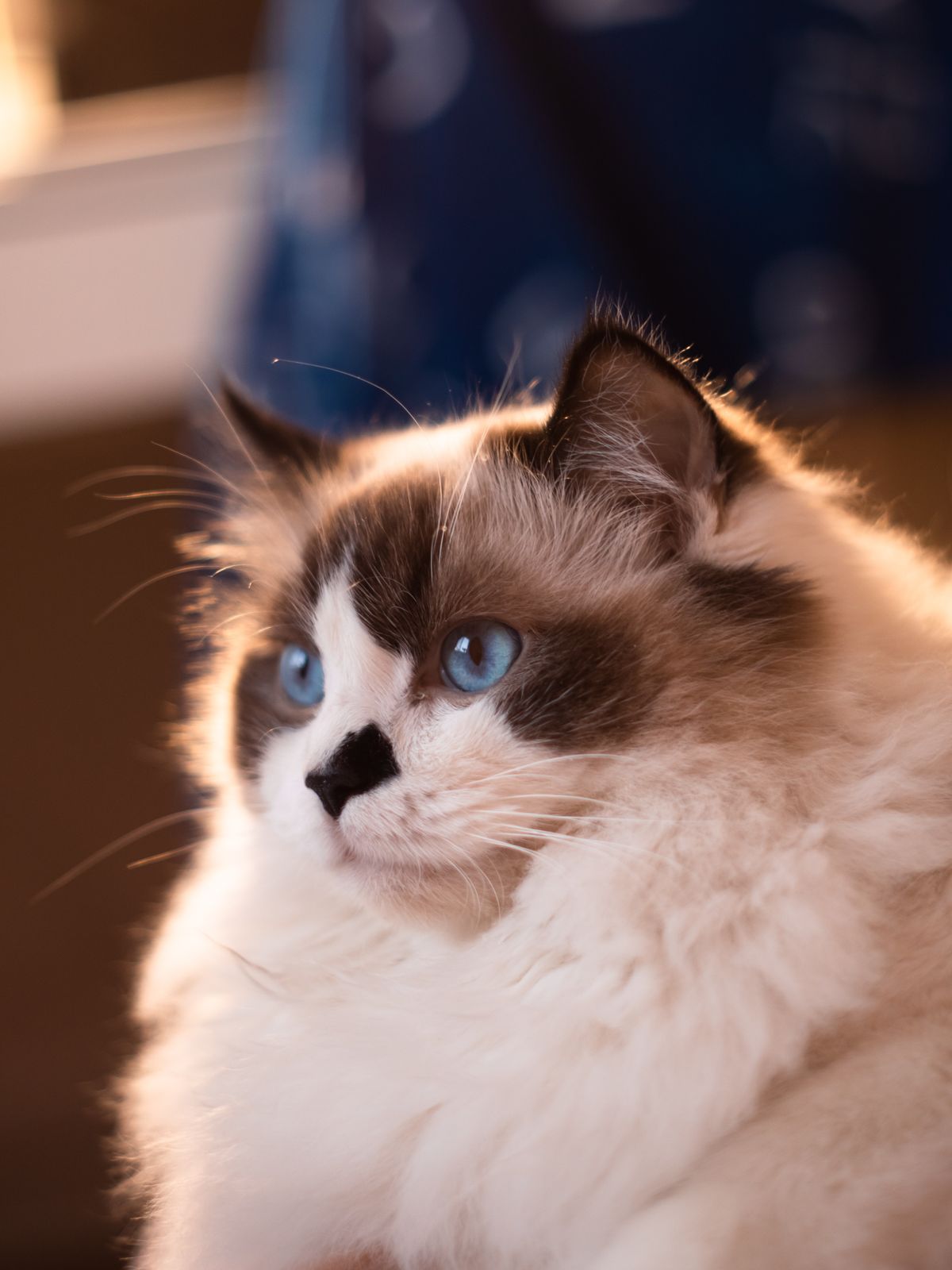
Ragdolls are a popular, affectionate breed known for their striking blue eyes, semi-long coats, and docile temperament. The PSPCA has not said how so many cats came to be in the home, but in hoarding situations animals are often not desexed and breed indiscriminately. When numbers outpace an owner’s ability to provide proper care, the result can be overcrowding, illness, and the kind of unsanitary conditions described in this case. This rescue is a reminder that purebred cats are just as vulnerable to neglect as any other animal.
The Road to Recovery
The PSPCA reported that the rescued cats are now receiving forensic examinations, medical care, nutritious food, and clean bedding. Recovery for animals coming out of hoarding-type environments often takes time, and may include treatment for respiratory issues, skin conditions, and the stress of their previous living situation. The organisation noted that the cats are not available for adoption yet, but are expected to become available once they are healthy and cleared.
How You Can Help
Large-scale rescues are expensive, and the PSPCA has asked the public for support to cover the cost of caring for the cats. If you would like to help, consider the following:
- Donate directly to the PSPCA to support medical care and daily needs for the rescued cats.
- Watch the PSPCA’s official channels for adoption updates once the cats are ready for new homes.
- Foster or adopt through a reputable shelter or rescue if you are prepared for the commitment.
- Report suspected animal cruelty or neglect to your local humane law enforcement agency.
Thinking About Adopting a Ragdoll?
Ragdolls can make wonderful companions, but they thrive with steady attention, regular grooming for their long coats, and routine veterinary care. If you are considering adoption, choose a reputable shelter or responsible breeder, ask about the cat’s medical history, and schedule a check-up with a licensed veterinarian. For any health concerns specific to your pet, consult a licensed veterinarian for diagnosis or treatment.
A Brighter Future
Thanks to the work of animal welfare officers and local partners, 78 cats that were living in distress now have a real chance at healthy, loving homes. Stories like this highlight both the seriousness of animal neglect and the impact that timely intervention and community support can have. For the latest updates on these cats and how to help, follow the Pennsylvania SPCA’s official announcements.