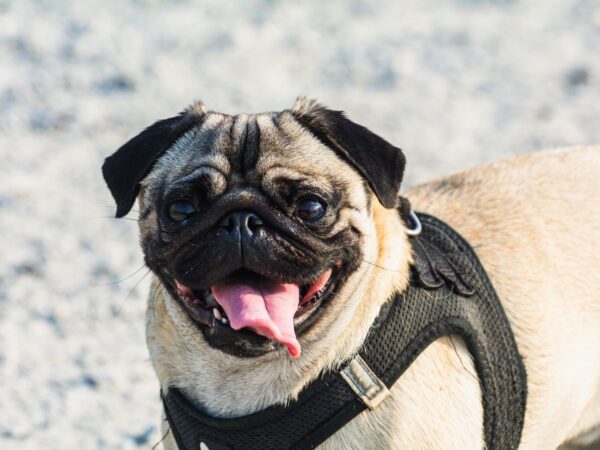
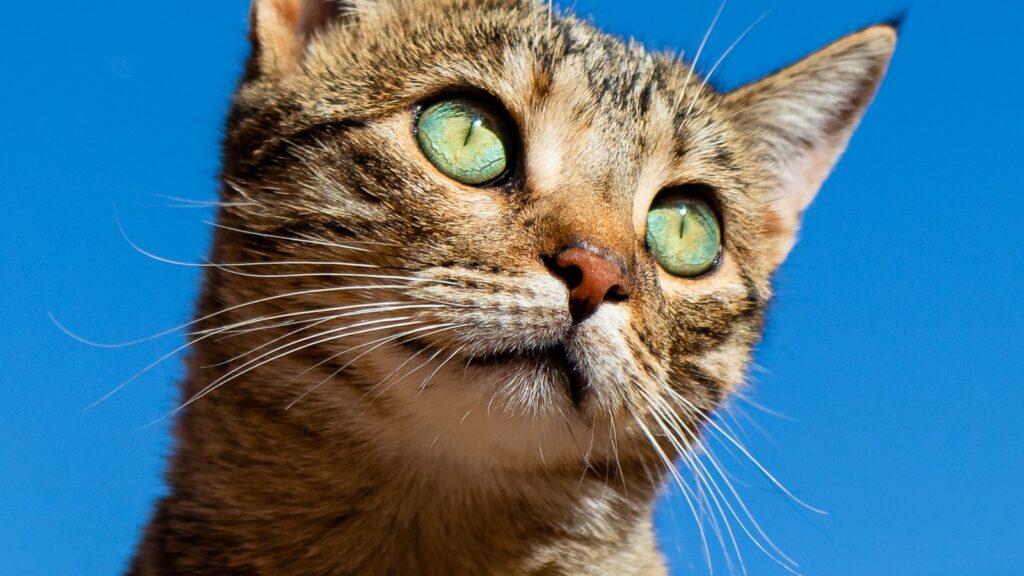
Australian summers are tough on all of us, but dogs and cats feel the heat far more than we do. They cannot sweat the way people can, and on a hot, humid day heatstroke can develop frighteningly fast, often in situations owners thought were fine: a quick errand with the dog in the car, a midday walk, a cat shut in a hot shed. The good news is that heatstroke is almost always preventable, and knowing the early signs and the right first aid can save your pet’s life.
Why dogs and cats overheat so quickly
Dogs and cats only have sweat glands in their paw pads, which is nowhere near enough on a hot day. A dog’s main cooling tool is panting, which works by breathing in air that is cooler than the body and losing heat through evaporation. Cats cool themselves mostly by resting in cool spots and grooming, as evaporating saliva carries heat away. Both systems depend on the air around them being cooler and drier than their body. When the air is hot and humid, think a Brisbane or Darwin afternoon, panting becomes far less effective and body heat has nowhere to go.
Normal body temperature is higher than ours. The Merck Veterinary Manual puts the normal rectal temperature for dogs and cats at about 38.6 to 38.9°C, with healthy animals ranging up to around 39.2°C. Heatstroke happens when the body heats beyond what it can control. It is a genuine emergency: in dogs it can lead to rapid multi-organ failure and has a high death rate, according to the RSPCA Australia Knowledgebase.
Which pets are most at risk
Any dog or cat can get heatstroke. Some are far more vulnerable:
- Flat-faced (brachycephalic) breeds such as Pugs, French Bulldogs, British Bulldogs, Boxers and Cavalier King Charles Spaniels, plus flat-faced cats such as Persians. Their narrowed airways make panting much less effective. RSPCA WA notes brachycephalic dogs are 146% more likely to suffer heatstroke than other breeds, and the Merck Veterinary Manual warns short-nosed breeds can overheat from stress or excitement even on cooler days.
- Overweight pets, which carry extra insulation and generate more heat when they move. Our guide to healthy weight loss for dogs and cats can help.
- Puppies, kittens and seniors, who regulate their temperature less efficiently.
- Thick, long or dark coats, such as Huskies, Malamutes and Golden Retrievers, or a black dog standing in full sun.
- Pets with heart, breathing or neurological problems, including dogs with laryngeal paralysis, which can overheat during even mild activity.
- Dogs that have just exercised hard, or that are dehydrated.
Flat-faced breeds deserve extra caution. A warm, humid day that other dogs handle easily can be enough to tip a bulldog into trouble, especially on a midday walk. Read more in our guide to flat-faced dogs.
Recognising the signs
Heavy panting on a hot day is normal. The shift to worry comes when panting becomes frantic and does not settle with rest, or when other signs start stacking up alongside it.
Early warning signs in dogs
- Constant, frantic panting and rapid breathing that does not settle in the shade
- Thick, sticky or ropey drool
- Bright red or dark red gums and tongue
- Restlessness, reluctance to keep walking, or repeatedly seeking shade
Signs it is already an emergency
- Weakness, wobbliness, stumbling or confusion
- Vomiting or diarrhoea
- Muscle tremors, collapse or seizures
- Gums turning pale, blue or grey
- A glazed look, drowsiness or unresponsiveness
Signs in cats
Cats are sneakier. They rarely pant, so open-mouth breathing in a cat on a hot day is a genuine red flag. Also look for restlessness, drooling, rapid breathing, wobbliness, red gums, or a cat that suddenly goes quiet and hides. RSPCA Australia lists lethargy, fast breathing, shaking and collapse among the signs across species. Cats tend to hide when unwell, so check on them often in a heatwave. When in doubt, treat it as an emergency.
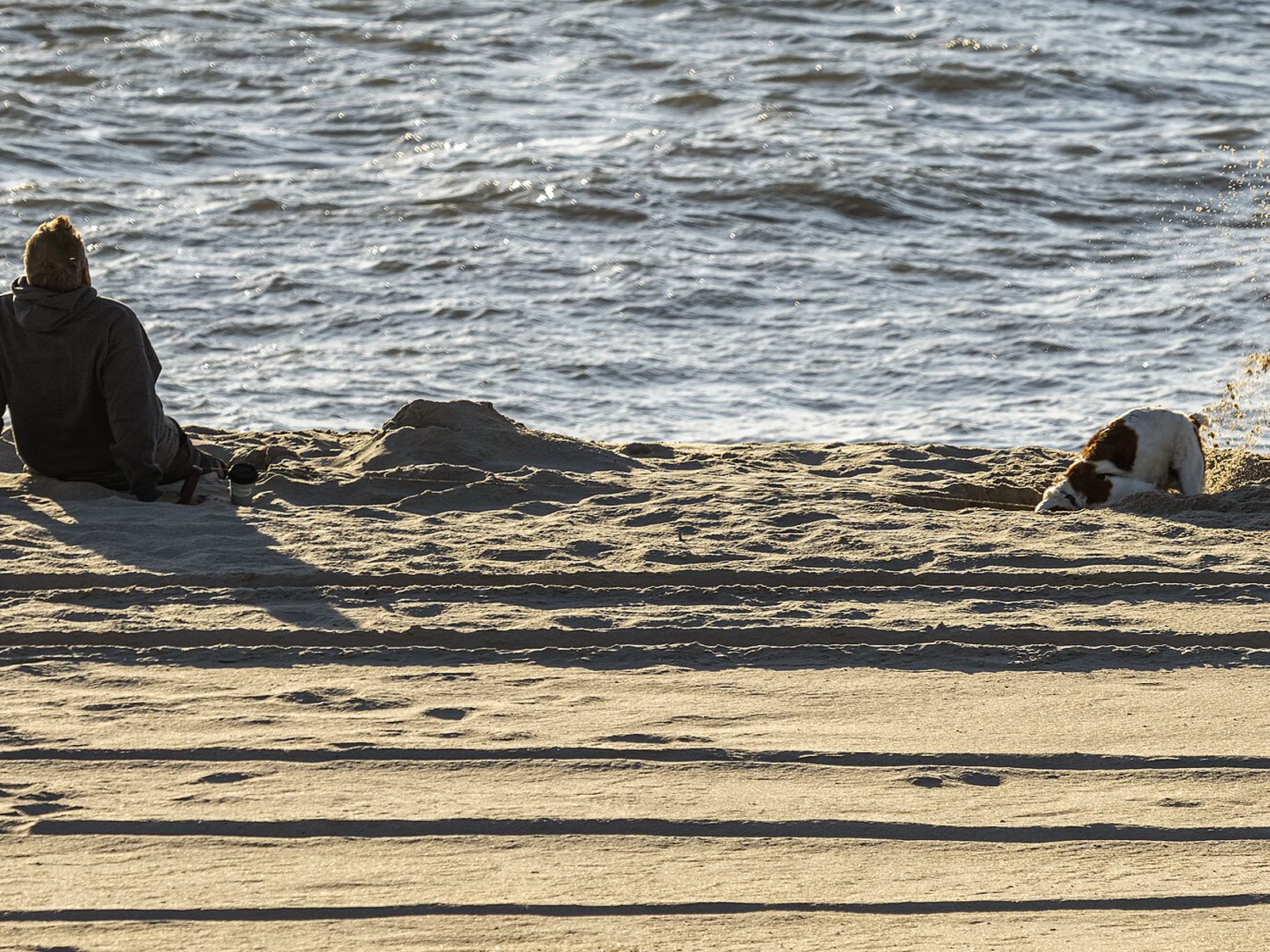
Heatstroke first aid: cool first, then get to the vet
What you do in the first few minutes matters enormously. Veterinary researchers at the Royal Veterinary College in the UK now urge owners to “cool first, transport second”: start cooling straight away rather than bundling a hot pet into a warm car, and contact your vet as you do it. RSPCA Australia gives the same core advice: apply room-temperature or cool water to the fur and skin, keep the environment cool with a fan or air-conditioning, and seek veterinary attention immediately.
1. Get out of the heat
Move your pet into shade or an air-conditioned room straight away. A cool tiled floor is ideal. Do not waste time looking for the perfect spot.
2. Wet them with cool water
Pour, sponge or gently hose cool tap water over the body, soaking right through the coat to the skin, especially the neck, chest, belly and inner thighs. Any water that is cooler than your pet helps. You do not need ice.
3. Keep air moving
Put your wet pet in front of a fan or air-conditioner, or in a breeze. Air moving over a soaked coat is what drives evaporative cooling. Wet towels can help if you keep re-wetting them, but do not drape a towel over your pet and leave it there. It soon warms up and traps heat, and the RVC’s research found soaking plus airflow cools dogs much more effectively than wet towels.
4. Offer small sips of water
Let your pet drink small amounts of cool water if they want to, ideally once they start to cool down. Never force water into their mouth, as an unsteady animal can inhale it.
5. Watch them and know when to ease off
Keep cooling until their breathing starts to settle, but stop before they begin to shiver. Keep an eye on gum colour and behaviour. A pet that goes from frantic to suddenly quiet and glassy-eyed needs a vet now.
6. Call the vet while you cool
Ring your vet or nearest emergency clinic while someone else keeps cooling, so they can prepare for your arrival. Once your pet is cooler, keep the car air-conditioning on high on the way.
Mistakes that make it worse
| Common mistake | Why it is a problem |
|---|---|
| Ice baths or ice-cold water | Very cold water can reduce blood flow to the skin and cause shivering, which slows heat loss. The Merck Veterinary Manual and RSPCA WA both advise against cold water and immersing an overheated pet in cold water. Cool tap water is the safe choice. |
| Leaving a wet towel draped over your pet | A towel left in place warms up and acts like insulation, working against cooling. |
| Waiting to “see if it passes” | Organ damage can begin within minutes once the body overheats. |
| Forcing water down the throat | Risk of the pet inhaling water, especially if already wobbly. |
| Driving straight off without cooling first | A hot pet sitting in a warm car loses precious minutes. Cool first, then travel. |
Why a vet check is essential, even if your pet seems fine
Heatstroke can damage the kidneys, gut lining and brain, and can trigger a dangerous clotting disorder (disseminated intravascular coagulation, or DIC). RSPCA WA warns this can be fatal within hours or even days after the animal has been cooled down. Much of this damage only shows up on blood tests, not on the surface. Go to a vet or emergency clinic straight away if your pet:
- Has collapsed, had a seizure or cannot stand, even briefly
- Has vomiting or diarrhoea after heat exposure
- Has gums that are pale, blue, grey or brick red
- Is still panting frantically after 10 minutes of active cooling
- Seems confused, stumbling or glazed
- Has a rectal temperature above about 40°C, if you have a thermometer and can take it safely
Even a pet that bounces back should be checked within a few hours. Treatment can involve intravenous fluids, blood tests and overnight monitoring, and costs climb quickly with intensive care, so it pays to know where your nearest 24-hour vet is before summer starts. Our guide to what vet care actually costs in Australia explains typical fees.
Hot cars: never, not even for a minute
Cars are the classic heatstroke trap. According to RSPCA WA, on a mild 22°C day the inside of a parked car can rise to over 47°C in a matter of minutes, and a dog can die in as little as six minutes. In tests by Victoria’s Metropolitan Ambulance Service on a 29°C day, a parked car reached 44°C within 10 minutes and 60.2°C within another 10. Window tinting, parking in the shade and leaving the windows down give little or no relief, and RSPCA Australia warns dogs can overheat and die even on an overcast day with the windows down.
Leaving an animal confined somewhere it suffers or is likely to suffer harm can also be an offence under state and territory animal welfare laws, with heavy penalties. If you see a distressed dog in a hot car, note the registration and location and call your state RSPCA or the police straight away.
Your Aussie summer prevention checklist
- Leave pets at home rather than in a parked car, even for a quick stop.
- Walk early or late. In summer, walk in the early morning or after sunset, not in the heat of the day.
- Check the ground. If you cannot hold the back of your hand on the footpath or road for five seconds, it is too hot for paws. RSPCA Australia notes even bare ground and brown grass in full sun can get hot enough to burn.
- Check humidity, not just temperature. Panting relies on evaporation, so a humid day can be more dangerous than a hotter, drier one.
- Cut back exercise on hot days, especially for flat-faced, overweight, young or senior dogs.
- Provide shade and water at all times. Put several bowls of fresh water in shady spots, check they are not sitting in full sun by the afternoon, and add ice blocks on scorchers.
- Bring pets inside on extreme days. An air-conditioned or well-ventilated room is the safest place in a heatwave.
- Offer ways to cool down: frozen pet-safe treats, a cooling mat, a damp towel to lie on, or a shallow paddle pool for water-loving dogs.
- Think twice before shaving a double coat. Brushing out loose undercoat usually helps more. Ask your groomer or vet what suits your breed, and remember pale or thin-coated pets need protection from the sun too. See our guide to sunburn and skin cancer in pets.
Summer brings other water and outdoor hazards too. Before your dog takes a dip in a dam or lake, read up on blue-green algae.
A special note for cat owners
Before you shut the shed, garage or laundry door on a hot afternoon, check for a cat napping inside. Cats are often caught in tucked-away spots that turn into ovens. RSPCA Australia recommends giving cats access to cool areas and keeping them indoors during extreme heat. Inside, draw curtains against the sun, leave water bowls in several rooms, and make sure fans or air-conditioning reach their favourite resting spots. A ceramic tile or lightly dampened towel in a quiet corner gives your cat somewhere cool to flop, and gently dampening their fur can help on very hot days.
Frequently asked questions
Should I use ice or ice-cold water to cool my pet?
No. Cool or room-temperature tap water is the safe, recommended choice. Very cold water can reduce blood flow to the skin and cause shivering, and cold-water immersion is not advised for cats, older or unwell pets. Soak the coat with cool water and add airflow from a fan or air-conditioner.
Should I drive straight to the vet or cool my pet first?
Cool first. Start wetting your pet and getting air moving straight away, and phone the vet while you do it. Once they are cooler, travel with the air-conditioning on high and keep them wet on the way.
My dog seems fine after cooling down. Do they still need a vet?
Yes. Heatstroke can damage the kidneys, gut and blood clotting system, and these problems can appear hours or days later. A vet check, often including blood tests, is essential even if your pet looks well.
Can cats get heatstroke?
Yes, although it is less common than in dogs. Cats trapped in sheds, garages, laundries or cars are most at risk, along with flat-faced breeds such as Persians. Open-mouth breathing or panting in a cat is a warning sign that needs urgent attention.
How hot is too hot to walk my dog?
There is no single safe number, because humidity, sun, ground temperature, breed and fitness all matter. Walk in the early morning or after sunset in summer, check the ground with the back of your hand, and skip or shorten walks for at-risk dogs on hot or humid days.
Key takeaways
- Dogs and cats cool mainly by panting and resting, not sweating, so heat and humidity overwhelm them quickly.
- Flat-faced breeds, overweight pets, the very young and old, and pets with heart or breathing problems are at highest risk.
- Watch for frantic panting, thick drool, red gums, wobbliness, vomiting and collapse. In cats, any open-mouth breathing is a red flag.
- Cool first, transport second: soak with cool (not icy) water, add airflow, and call the vet as you go.
- Always get a vet check after heatstroke, even if your pet seems to recover.
- Never leave a pet in a parked car, walk in the cooler parts of the day, and provide shade and water at all times.
This article is general information for Australian dog and cat owners and is not a substitute for advice from a registered veterinarian. If you think your pet has heatstroke, start cooling them and contact your vet or nearest emergency clinic immediately.